 ✨ AI Generated
Myoki-an Temple
Japanese: 妙喜庵
Oyamazaki Town, Kyoto
This information was written by AI and may contain mistakes. Please check official sources for opening hours, fees, and other details before you go.
Found a mistake? Let us know with “✏️ Something's wrong” on this spot's screen in asobot →
🎧 Audio guide(1:13)
In short
A temple of the Rinzai sect's Tofuku-ji Temple branch, famous for housing the National Treasure "Tai-an Teahouse," which is said to be the only extant teahouse attributed to Sen no Rikyu. The temple is said to have been founded by Shungaku Shiho during the Meio era of the Muromachi period (1492–1501), and it is also told to be the place where Yamazaki Sokan, considered the founder of renga (linked verse), lived in seclusion. Visits require advance reservations by return postcard (ofuku hagaki), and the available dates are limited.
- The Two-Tatami "Tai-an Teahouse": Its area is a mere two tatami mats. Through the murodoko (an alcove where the earth walls extend continuously around the corners and up to the ceiling) and the sloped kakekomi-tenjo ceiling, it feels surprisingly spacious despite being only two mats. It is said to be the first teahouse where a nijiriguchi (small crawling-in entrance) was created
- Shoin, an Important Cultural Property: Tai-an Teahouse stands adjacent to the south side of the shoin (drawing room). The shoin dates to the Bunmei era of the Muromachi period, and the Buddhist altar room enshrines the principal image of Sho Kannon alongside a statue of Sen no Rikyu
- Meigetsu-do and the Garden: In the front garden of "Meigetsu-do," a teahouse for viewing the rising moon, stands the "Sode-suri no Matsu" (Sleeve-Brushing Pine), named after the sleeve of Hideyoshi's robe brushing against it (the current tree is the third generation). The garden adjoining Tai-an Teahouse, the shoin, and Meigetsu-do was designated as a Place of Scenic Beauty by Kyoto Prefecture in 2025
History and Highlights
Myoki-an Temple is a temple of the Rinzai sect's Tofuku-ji Temple branch, located right outside JR Yamazaki Station. It is famous for housing the National Treasure "Tai-an Teahouse," but visits require advance reservations by return postcard (ofuku hagaki), and the available dates are limited.
The temple is said to have been founded by Shungaku Shiho during the Meio era of the Muromachi period, between 1492 and 1501. It is also told to be the place where Yamazaki Sokan, considered the founder of renga (linked verse), lived in seclusion.
Tai-an Teahouse is said to be the only extant teahouse attributed to Sen no Rikyu. Following the Battle of Yamazaki in 1582 (Tensho 10), Hashiba Hideyoshi built a castle in the Mt. Tennozan area and summoned Sen no Rikyu to live there. It is believed that the small teahouse located at Sen no Rikyu's residence was later given to the head priest of Myoki-an Temple, with whom he was close, and has been passed down here.
Viewing and Experience Points
- The Two-Tatami "Tai-an Teahouse": Its area is a mere two tatami mats in size. Through the murodoko (an alcove where the earth walls extend continuously around the corners and up to the ceiling) and the sloped kakekomi-tenjo ceiling, it feels surprisingly spacious despite being only two mats. There is also a shitajimado (a window made by leaving the underlying lattice of the wall unplastered), and Tai-an Teahouse is said to be the first teahouse where a nijiriguchi (small crawling-in entrance) was created.
- Shoin, an Important Cultural Property: Tai-an Teahouse stands adjacent to the south side of the shoin (drawing room). The shoin dates to the Bunmei era of the Muromachi period and is designated as a National Important Cultural Property. It is characterized by the slender timber used for the beams and nageshi (horizontal wall ties), and the Buddhist altar room enshrines the principal image of Sho Kannon alongside a statue of Sen no Rikyu.
- Meigetsu-do and the Garden: To the east of Tai-an Teahouse stands the "Meigetsu-do" teahouse, designed for viewing the rising moon. The current building was rebuilt at the beginning of the Showa period. In its front garden, the "Sode-suri no Matsu" (Sleeve-Brushing Pine) was named after the sleeve of Hideyoshi's robe brushing against it, and the current tree is the third generation. The garden adjoining Tai-an Teahouse, the shoin, and Meigetsu-do was designated as a Place of Scenic Beauty by Kyoto Prefecture in 2025.
Walking Tips
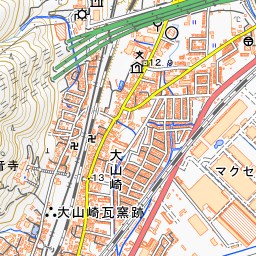
Reservations for viewing are accepted only by return postcard (ofuku hagaki); applications by phone or other means are not accepted. The rule requires applying at least one month prior to the desired visit date, and slots for spring and autumn fill up quickly. Some days are unavailable due to temple events, and those of high school age or younger are not permitted to visit. Please check the guidance from Myoki-an Temple before visiting. It is also about a 5-minute walk from Hankyu Oyamazaki Station. A full-scale replica of Tai-an Teahouse is on permanent display at the nearby Oyamazaki Town Historical Museum. Rikyu Hachimangu Shrine is also very close by.
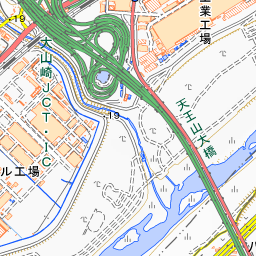
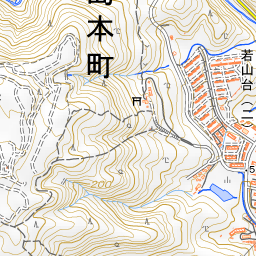
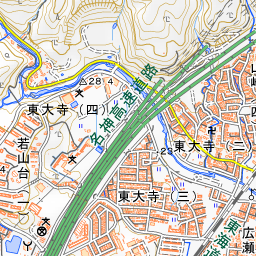
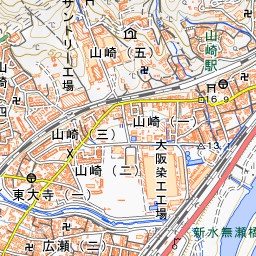
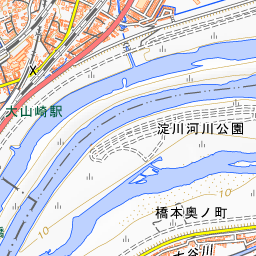
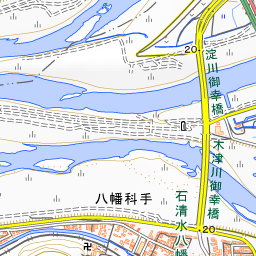
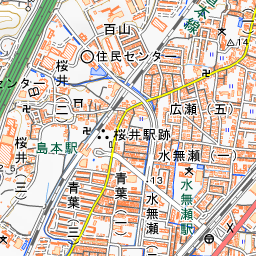
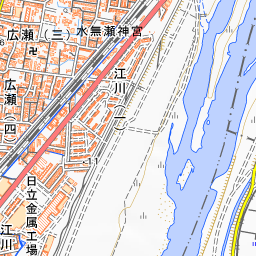
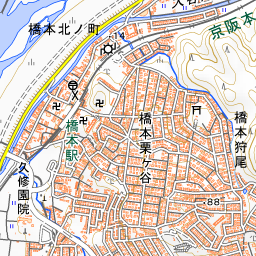
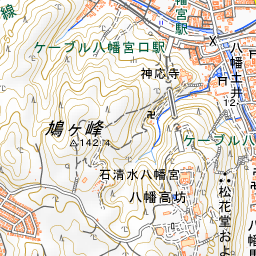
Spot location © OpenStreetMap contributors (ODbL)
Open in Google MapsGuides that include this spot (1)
Use asobot while you walk
- See where you are on the map and find spots nearby
- Listen to the guide's audio in course order, one after another (with subtitles)
- Walk to the next spot while following the map
Open on your phone
Scan to open this spot in asobot on your phone.