 ✨ AI Generated
Komyo-ji Temple
Japanese: 光明寺
Nagaokakyo, Kyoto
This information was written by AI and may contain mistakes. Please check official sources for opening hours, fees, and other details before you go.
Found a mistake? Let us know with “✏️ Something's wrong” on this spot's screen in asobot →
🎧 Audio guide(1:03)
In short
Komyo-ji Temple is the head temple of the Seizan Jodo sect of Buddhism, located in Ao Hirotani at the foot of the Nishiyama mountains in Nagaokakyo City. The temple's origin dates back to 1198, when Priest Kumagai Rensei (Kumagai Jiro Naozane), who had become a disciple of Honen Shonin, built a Buddhist hall on this land. In connection with an event in which light is said to have radiated from the stone coffin containing Honen Shonin's remains, Emperor Shijo bestowed on the temple an imperial plaque inscribed with "Komyo-ji."
- Eight Important Cultural Property Buildings: Eight structures, including Mie-do Hall, are national Important Cultural Properties, and Mie-do Hall is one of the largest main halls among Jodo sect temples in Kyoto
- Gohonbyo and Shingyo-tei Garden: There is Gohonbyo, adorned with colorful architectural carvings, and the rock garden "Shingyo-tei," where 18 large and small stones are placed on white sand
- Momiji Sando (Maple Approach): About 250 maples are planted along a path of about 200 meters, and during the autumn foliage season, it turns into a tunnel of brocade
History and Highlights
Komyo-ji Temple is the head temple of the Seizan Jodo sect of Buddhism, located in Ao Hirotani at the foot of the Nishiyama mountains in Nagaokakyo City. At the age of 24, Honen Shonin stayed at the home of a wealthy village head in Ao while on his way to study in Nanto (Nara). Twenty years later, at the age of 43, having attained firm conviction in Senju Nembutsu (exclusive recitation of the Nembutsu), he kept his promise and chose the village of Ao as the place to begin widely preaching the Nembutsu teachings. Because of this connection, the temple later received an imperial decree from Emperor Ogimachi designating it as the "Jodomon Kongenchi" (the origin site of the Jodo gate), the birthplace of the Nembutsu.
The temple's origin dates back to 1198, when Priest Kumagai Rensei—formerly the warrior Kumagai Jiro Naozane, who had become a disciple of Honen Shonin—built a Buddhist hall on this land. Honen Shonin bestowed upon it the temple name "Nembutsu Zanmai-in." In 1227, when monk-soldiers from Mt. Hiei attempted to desecrate Honen Shonin's tomb, his disciples moved the stone coffin containing his remains to Uzumasa. On the night of January 20 the following year, multiple beams of light are said to have radiated from the stone coffin, illuminating Nembutsu Zanmai-in. On January 25, his remains were brought here and cremated, and a mausoleum (Gohonbyo) was built on the hill behind the temple. The temple's name derives from this event, after Emperor Shijo bestowed an imperial plaque inscribed with "Komyo-ji" (Temple of Bright Light).
Viewing and Experience Highlights
- Eight Important Cultural Property Buildings: Eight structures—including the main hall, Mie-do Hall, as well as the Amida-do Hall, Shaka-do Hall, Chokushimon Gate, Gohonbyo and Haiden (worship hall), Bell Tower, and Somon Gate—are designated as national Important Cultural Properties. Mie-do Hall, whose frame was raised in 1753 (Horeki 3), is one of the largest main halls among Jodo sect temples in Kyoto and the largest wooden building in Nagaokakyo City. Its principal image is the "Hariko no Mie" (papier-mâché portrait effigy) crafted by Honen Shonin himself.
- Gohonbyo and Shingyo-tei Garden: Gohonbyo is adorned with colorful architectural carvings, which is rare for a structure from the mid-17th century around Kyoto. In front of Shaka-do Hall lies the rock garden "Shingyo-tei," where 18 large and small stones are placed on white sand, representing an ascetic crossing the vast ocean of birth and death (samsara).
- Momiji Sando (Maple Approach): Branching to the left upon entering the Somon Gate, the "Momiji Sando" is lined on both sides with ancient maple trees, featuring approximately 250 maples along a path of about 200 meters. During the autumn foliage season, it turns into a stunning tunnel of vibrant brocade.
Walking Tips
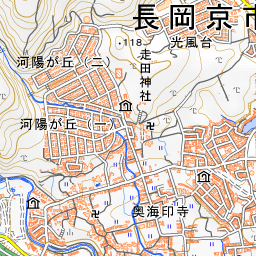
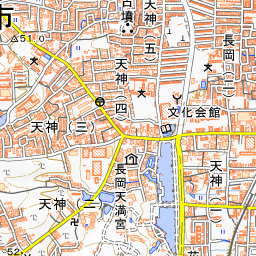
Take a Hankyu Bus from the West Exit of JR Nagaokakyo Station or from Hankyu Nagaoka-Tenjin Station, and get off at "Asahigaoka Home-mae." There is no parking at Komyo-ji Temple, and parking is completely prohibited in the surrounding area, so please use public transportation. It becomes very crowded during the autumn foliage season. Approximately 1.2 kilometers to the east-southeast is Otokuni-dera Temple, and about 1.3 kilometers to the south are Jakusho-in Temple and Hashirida-jinja Shrine.
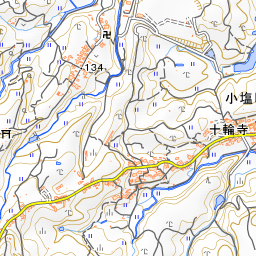
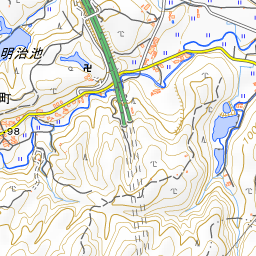
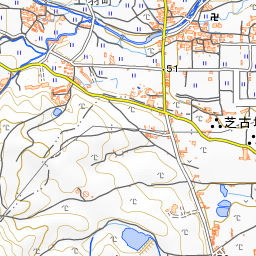
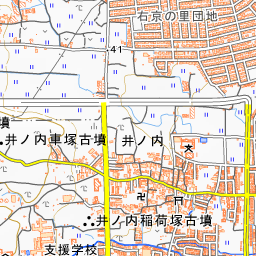
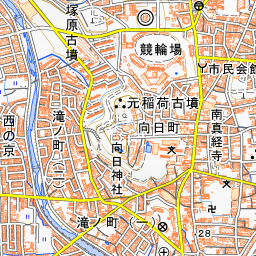
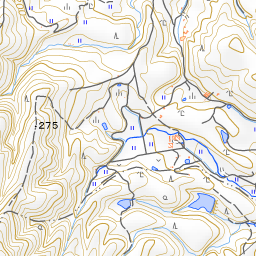
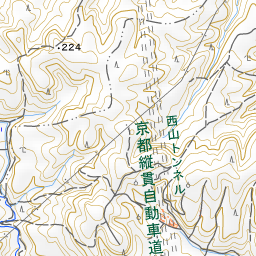
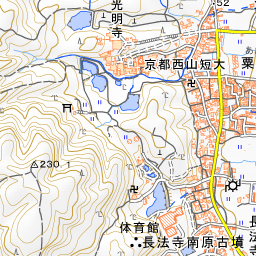
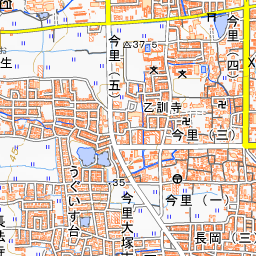
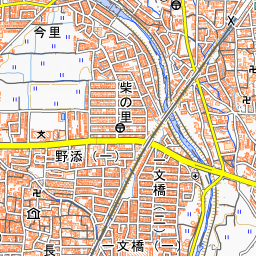
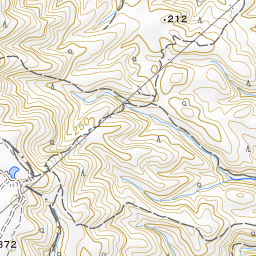
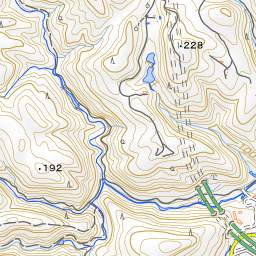

Spot location © OpenStreetMap contributors (ODbL)
Open in Google MapsGuides that include this spot (1)
Use asobot while you walk
- See where you are on the map and find spots nearby
- Listen to the guide's audio in course order, one after another (with subtitles)
- Walk to the next spot while following the map
Open on your phone
Scan to open this spot in asobot on your phone.