 ✨ AI Generated
Hosen-in Temple
Japanese: 宝泉院
Sakyo Ward, Kyoto
This information was written by AI and may contain mistakes. Please check official sources for opening hours, fees, and other details before you go.
Found a mistake? Let us know with “✏️ Something's wrong” on this spot's screen in asobot →
🎧 Audio guide(1:04)
In short
A temple of the Tendai sect in Ohara that began as a monk's residence for Shorin-in Temple, which was founded as a dedicated training center for shomyo (Buddhist ritual chanting). According to the head priest, it has existed as a monk's residence since about 800 years ago. The current shoin (study hall) is said to have been reconstructed in the middle of the Edo period. The temple is known for its guest hall, from which the garden is viewed as if framed, and for the "blood ceiling" preserved from Fushimi Castle.
- Framed Garden, Bankan-en Garden and Five-Needle Pine: Bankan-en Garden, located to the west of the guest hall, is viewed using the space between the pillars as a picture frame. Against a backdrop of a bamboo grove towers a Japanese five-needle pine said to be 700 years old. You can take your time viewing it while savoring a cup of matcha green tea
- Suikinkutsu and Tsurukame Garden: Placing your ear to the bamboo pipes on the veranda of the guest hall allows you to hear the sound of the suikinkutsu. Surrounding the shoin, the Tsurukame Garden (Crane and Turtle Garden) is a small garden from the Edo period modeled after a crane and a turtle
- Blood Ceiling: In 1600, before the Battle of Sekigahara, more than 380 samurai serving Tokugawa Ieyasu took their own lives at Fushimi Castle. The floorboards stained with their blood were later distributed to various temples for memorial services, and 16 of them are used in the ceiling of Hosen-in Temple
History and Highlights
Hosen-in Temple in Ohara is a temple of the Tendai sect that began as a monk's residence for Shorin-in Temple. Shorin-in Temple was founded as a dedicated training center for shomyo (Buddhist ritual chanting). Its main hall, located at the far end of the approach to Sanzen-in Temple, served as the central training hall where Tendai Buddhism flourished in Ohara. Shomyo refers to vocal chants sung by monks in praise of Buddhas, bodhisattvas, and deities, and Ohara came to be known as a sacred ground for Tendai shomyo.
According to the head priest, Hosen-in Temple has existed as a monk's residence for Shorin-in Temple since about 800 years ago. The current shoin (study hall) is said to have been reconstructed in the middle of the Edo period, and the temple is known for its guest hall, from which the garden is viewed as if framed, and for the "blood ceiling" preserved from Fushimi Castle.
Points for Appreciation and Experience
- Framed Garden, Bankan-en Garden and Five-Needle Pine: Bankan-en Garden, located to the west of the guest hall, is viewed using the space between the pillars as a picture frame. Against a backdrop of a bamboo grove towers a Japanese five-needle pine said to be 700 years old. It is said to be shaped like Omi Fuji and is a Kyoto City registered natural monument. You can take your time viewing it while savoring a cup of matcha green tea.
- Suikinkutsu and Tsurukame Garden: On the veranda of the guest hall, two knee-high bamboo pipes protrude, and placing your ear close allows you to hear the sound of the suikinkutsu, created by water drops echoing inside an underground earthenware vessel. Surrounding the shoin, the Tsurukame Garden (Crane and Turtle Garden) is a small garden from the Edo period modeled after a crane and a turtle.
- Blood Ceiling: In 1600, before the Battle of Sekigahara, more than 380 samurai serving Tokugawa Ieyasu took their own lives at Fushimi Castle when it was surrounded by Ishida Mitsunari's large army. The blood-stained floorboards were later distributed to various temples for memorial services, and 16 of them are used in the ceiling of Hosen-in Temple.
Walking Tips
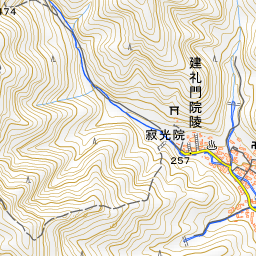
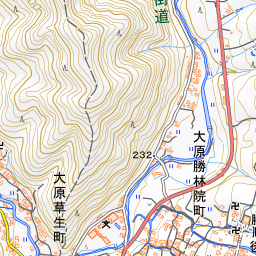
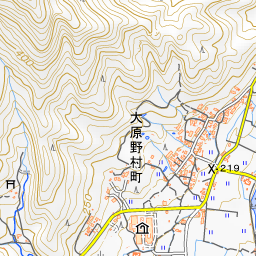
It is about a 15-minute walk from the "Ohara" Kyoto Bus stop. Located north across the Ritsusen River from Sanzen-in Temple, it can be visited together with Shorin-in Temple and Jikko-in Temple. In Ohara, you can also extend your visit to Sanzen-in Temple and Jakko-in Temple.
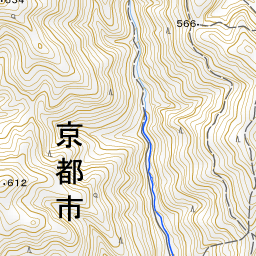
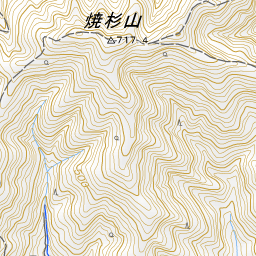
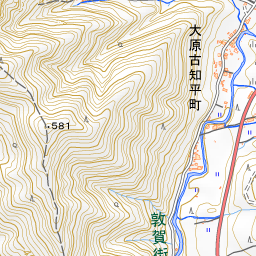
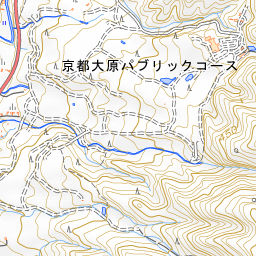
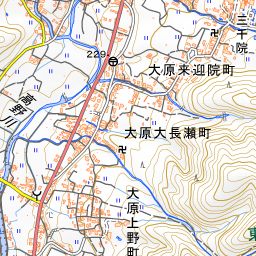
Spot location © OpenStreetMap contributors (ODbL)
Open in Google MapsGuides that include this spot (1)
Use asobot while you walk
- See where you are on the map and find spots nearby
- Listen to the guide's audio in course order, one after another (with subtitles)
- Walk to the next spot while following the map
Open on your phone
Scan to open this spot in asobot on your phone.