 ✨ AI Generated
Matsuo-dera Temple
Japanese: 松尾寺
Yamatokoriyama, Nara
This information was written by AI and may contain mistakes. Please check official sources for opening hours, fees, and other details before you go.
Found a mistake? Let us know with “✏️ Something's wrong” on this spot's screen in asobot →
🎧 Audio guide(1:08)
In short
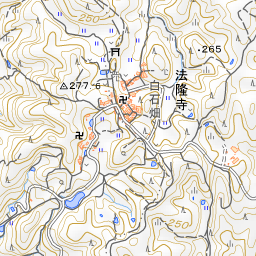
Matsuo-dera Temple is located halfway up Mt. Matsuo in the Yata Hills. Tradition holds that Prince Toneri founded the temple in 718 (Yoro 2) to pray for protection from misfortune and for the successful completion of the Nihon Shoki. The temple considers itself to be Japan's oldest sacred site for warding off evil (yakuyoke). It is widely known for the protective pilgrimage faith known as "Matsu-no-o-san Mairi."
- Important Cultural Property Main Hall: A structure with a hip-and-gable roof (irimoya-zukuri) and traditional tile roofing (hongawarabuki), considered a typical main hall of medieval Shingon Buddhism.
- Secret Buddha Kannon for Warding off Evil: The principal image, Senju Sengen Kanzeon Bosatsu (Thousand-Armed, Thousand-Eyed Kannon), is a secret Buddha that is unveiled only once a year on November 3.
- Rose Garden: Established in 1952 (Showa 27) to commemorate the extensive repairs to the Main Hall, a colorful variety of roses is cultivated here.
History and Highlights
According to the temple's account of its founding, Prince Toneri, a son of Emperor Tenmu, was 42 years old—a critical misfortune-prone age (yakudoshi)—while compiling the Nihon Shoki by imperial decree. It is said that in 718 (Yoro 2), the prince founded this temple to pray for the safe completion of the chronicles and to ward off misfortune. According to the "Matsuosan Engi" (The Origin of Mt. Matsuo), on the first Day of the Horse in the second month of Yoro 2 when he made his vow, purple clouds drifted over the eastern mountain and Senju Sengen Kanzeon Bosatsu appeared. The temple regards itself as Japan's oldest sacred ground for warding off evil.
From the medieval period onward, it flourished as a temple of Shugendo (mountain asceticism), and since the Edo period, it has been revered for its misfortune-banishing Kannon. Situated halfway up Mt. Matsuo in the Yata Hills, it offers scenic panoramic views over the Nara Basin. Every year, during New Year visits (Hatsumode), the Yakuyoke Festival from February through March, and the first Day of the Horse, the temple grounds and approach are filled with worshippers making the "Matsu-no-o-san Mairi."
Highlights of Appreciation and Experience
- Main Hall (Hondo): A building with an irimoya-zukuri hip-and-gable roof and hongawarabuki traditional tiling, considered a prime example of a medieval Shingon Buddhist main hall. It is designated an Important Cultural Property. Daily purification and protective prayers are offered in the inner sanctuary. The principal image, Senju Sengen Kanzeon Bosatsu, is a secret Buddha shown to the public once a year on November 3.
- Three-Story Pagoda (Sanju-no-to): According to temple tradition, it was founded in 835 (Jowa 2). Although some theories suggest it was rebuilt in the Meiji period, an onigawara (ridge-end tile) bears an inscription from 1713 (Shotoku 3), and ancient timbers are partially incorporated. Housed within the pagoda is a Nyoirin Kanzeon Bosatsu, which was once the personal devotional image of Emperor Gomizunoo.
- Daikokuten of the Shichifukujin Hall: This hall enshrines the Seven Lucky Gods, including a Daikokuten of the oldest type. This statue of Daikokuten is an Important Cultural Property.
- Rose Garden: Begun in 1952 (Showa 27) when roses were planted on the grounds to celebrate the extensive repairs of the Main Hall. A colorful collection of roses is carefully nurtured here.
Walking Tips
The Kita Somon (North General Gate) is a single-bay yakuimon (doctor-style gate), from which 108 stone steps lead up to the Main Hall. The water for purifying hands comes from a sacred spring flowing from the Akai well, which is selected among the "100 Selected Waters of Yamato." The temple grounds also feature the Matsuosan Shrine, where three shrines built in the kasuga-zukuri style stand side by side. On the approach from the direction of Horyu-ji Temple stands the Minami Somon (South General Gate). Said to have been built in 1862 (Bunkyu 2), this four-legged gate (shikyakumon) is also known as "Kaminarimon" (Thunder Gate) due to the facing relief carvings of the Wind God and Thunder God.
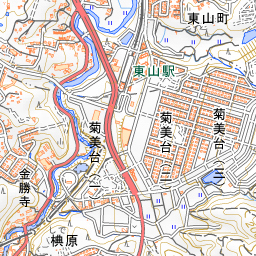
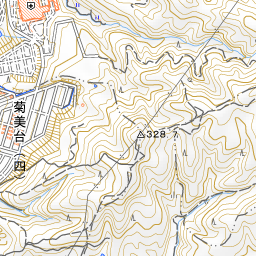
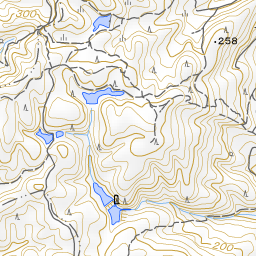
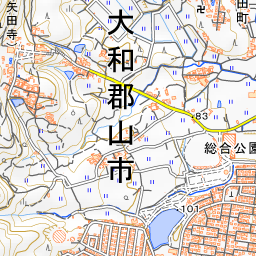
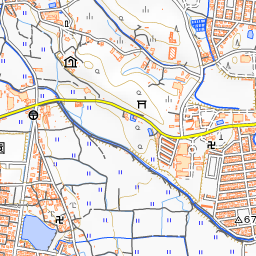
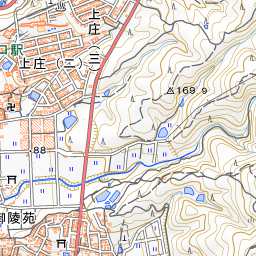
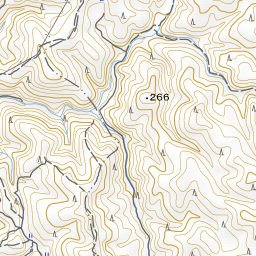
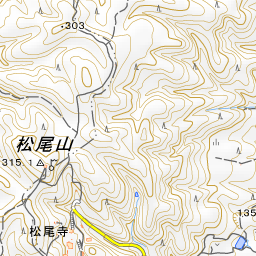
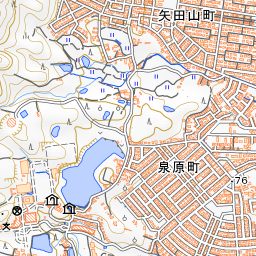
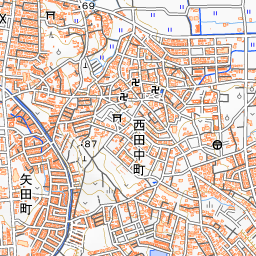
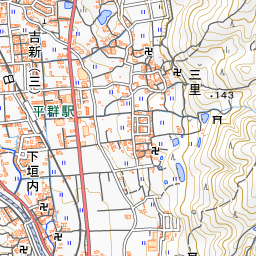
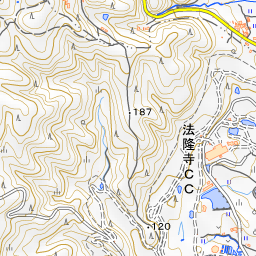
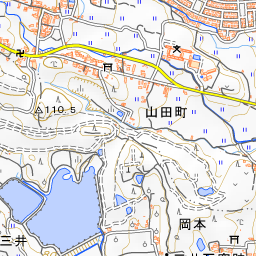
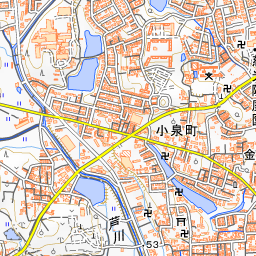
It is about a 2.4-kilometer walk from the "Matsuo-dera-guchi" bus stop. Hiking trails run around the temple, and Yata-dera Temple is located about 1.8 kilometers to the north-northeast.
Spot location © OpenStreetMap contributors (ODbL)
Open in Google MapsUse asobot while you walk
- See where you are on the map and find spots nearby
- Listen to the guide's audio in course order, one after another (with subtitles)
- Walk to the next spot while following the map
Open on your phone
Scan to open this spot in asobot on your phone.