 ✨ AI Generated
Kono-jinja Shrine
Japanese: 籠神社
Miyazu, Kyoto
This information was written by AI and may contain mistakes. Please check official sources for opening hours, fees, and other details before you go.
Found a mistake? Let us know with “✏️ Something's wrong” on this spot's screen in asobot →
🎧 Audio guide(1:18)
In short
The ichinomiya (first shrine) of Tango Province, enshrined on the north side of Amanohashidate, and also called "Motoise." Its principal deity is Hikohoakari-no-Mikoto. According to the shrine's origins, Toyouke-no-Okami was worshipped at Manaihara, the site of the okumiya (inner shrine), and during the reign of Emperor Sujin, Amaterasu-Omikami moved to this area; tradition says that the two deities were worshipped together for four years, after which they each moved to Ise.
- Main Sanctuary and Five-Colored Suetama: The honden (main sanctuary) is built in the shinmei-zukuri style, just like Ise-jingu Shrine, and atop the railings, five-colored suetama (sacred gems) of blue, yellow, red, white, and black are arranged
- Komainu Designated as Important Cultural Property: The stone komainu (guardian lion-dogs) standing before the shrine are masterpieces from the Kamakura period and are designated as National Important Cultural Properties. According to a legend, they once rampaged out onto Amanohashidate and frightened people, so Iwami Jutaro struck their leg with a sword, after which they became wardens against evil. The sword scar remains on the front right leg of the open-mouthed A-gyo komainu
- National Treasure Amabe Clan Family Tree: The family tree handed down within the Amabe clan, which has served the shrine for generations, is considered one of the oldest genealogical records in Japan and is designated as a National Treasure
History and Highlights
Kono-jinja Shrine is the ichinomiya (first shrine) of Tango Province, enshrined on the north side of Amanohashidate, and is also called "Motoise." Its principal deity is Hikohoakari-no-Mikoto, and Toyouke-no-Okami, Amaterasu-Omikami, Watatsumi-no-Kami, and Ame-no-Mikumari-no-Kami are also enshrined together.
According to the shrine's origins, Toyouke-no-Okami had been worshipped at Manaihara, the site of the okumiya (inner shrine), since the distant age of the gods. During the reign of Emperor Sujin, Amaterasu-Omikami moved to this area, and tradition says that the two deities were worshipped together for four years as "Yosa-no-Miya," after which they each moved to Ise. Because of this, it is called "Motoise," meaning the original shrine of the Naiku and Geku of Ise-jingu Shrine. In the 3rd year of the Yoro era, the main shrine moved from the okumiya site to its current location, renamed Kono-miya, and made Hikohoakari-no-Mikoto its principal deity. The shrine's name is said to originate from the story that Hikohoakari-no-Mikoto rode a bamboo-woven basket boat to go to the palace of the sea god.
The Amabe clan has served the shrine for generations. The family tree handed down within the Amabe clan is considered one of the oldest genealogical records in Japan and is designated as a National Treasure.
Sights and Experience Points
- Main Sanctuary and Five-Colored Suetama: The honden (main sanctuary) is built in the shinmei-zukuri style, just like Ise-jingu Shrine. Atop the railings, five-colored suetama (sacred gems) of blue, yellow, red, white, and black are arranged. The shrine regards these as something that can only be venerated at the main sanctuary of Ise-jingu Shrine and Kono-jinja Shrine.
- Komainu Designated as Important Cultural Property: The stone komainu (guardian lion-dogs) standing before the shrine are masterpieces from the Kamakura period and are designated as National Important Cultural Properties. According to a legend, they once rampaged out onto Amanohashidate and frightened people, so Iwami Jutaro struck their leg with a sword, after which they became wardens against evil. The sword scar remains on the front right leg of the open-mouthed A-gyo komainu.
- Suikinkutsu and Aoi Matsuri Festival: In the precincts' rock garden, "Miare-no-niwa," there is a suikinkutsu (underground water harp), which echoes a clear sound from beneath the ground when water is poured into it. The annual festival, held on April 24, is called the Aoi Matsuri Festival, and it is customary for those serving in the festival to insert wisteria flowers into their headdresses.
Walking Tips
It is about a 3-minute walk from Ichinomiya Pier, which is about 12 minutes by sightseeing boat from Amanohashidate Pier. If arriving by local bus, get off at Motoise Kono-jinja Shrine and walk for about 3 minutes. Beside the shrine, a cable car ascends to Kasamatsu Park. Manai-jinja Shrine, the okumiya, can be reached on foot heading north from the main shrine, so it is recommended to visit them together. As there are areas within the shrine grounds where photography is not permitted, please observe the rules during your visit.


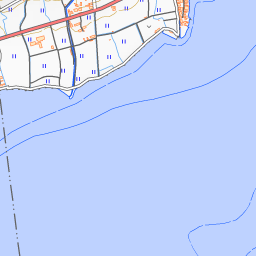
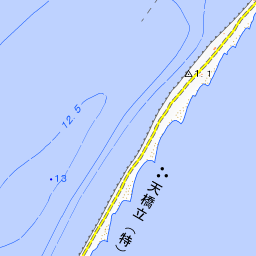

Spot location © OpenStreetMap contributors (ODbL)
Open in Google MapsGuides that include this spot (2)
Use asobot while you walk
- See where you are on the map and find spots nearby
- Listen to the guide's audio in course order, one after another (with subtitles)
- Walk to the next spot while following the map
Open on your phone
Scan to open this spot in asobot on your phone.