 ✨ AI Generated
Atomic Bomb Dome
Japanese: 原爆ドーム
Naka Ward, Hiroshima
This information was written by AI and may contain mistakes. Please check official sources for opening hours, fees, and other details before you go.
Found a mistake? Let us know with “✏️ Something's wrong” on this spot's screen in asobot →
🎧 Audio guide(1:08)
In short
The Atomic Bomb Dome stands on the bank of the Motoyasu River, preserved almost exactly as it was after the atomic bombing. It is regarded as a monument to peace shared by all humanity, conveying the devastation of the first nuclear weapon ever used. In 1996, it was registered as a World Heritage Site.
- The dome's steel frame: The dome, once covered with copper sheets, was reduced to its bare steel frame, which gave the building its name
- As it was after the bombing: Broken walls and exposed bricks are preserved almost as they were. You cannot go inside; view it from outside the fence
- From across the Motoyasu River: From the Peace Memorial Park side, you can see the whole building across the river
History and Highlights
The Atomic Bomb Dome is a building completed in 1915 as the Hiroshima Prefectural Commercial Exhibition Hall. Designed by Czech architect Jan Letzel, it was built on the banks of the Motoyasu River in a European style topped with a dome. Its name was later changed to the Hiroshima Prefectural Products Exhibition Hall in 1921, and to the Hiroshima Prefectural Industrial Promotion Hall in 1933; it was the Hiroshima Prefectural Industrial Promotion Hall when the atomic bomb was dropped.
On August 6, 1945, at 8:15 a.m., an atomic bomb detonated approximately 600 meters in the air, about 160 meters southeast of this building. The building was heavily damaged by the blast and thermal radiation and was engulfed in fire; it is said that everyone inside perished. Because the blast came from almost directly overhead, the central part avoided complete collapse and remained standing. From the shape of the dome's exposed iron framework at the top, people came to call the building the "Atomic Bomb Dome."
As deterioration progressed, the Hiroshima City Council passed a resolution in 1966 to preserve the structure, and the first preservation work was carried out the following year using donations collected from the public. It was designated a national Historic Site in 1995 and inscribed as a World Heritage Site in 1996. It stands as a universal peace monument that conveys the devastation of the first nuclear weapon used in human history, continuously advocating for the abolition of nuclear weapons and the importance of lasting world peace.
Highlights for Viewing and Experiencing
- Steel Framework of the Dome at the Top: The dome, once covered in copper plates, was stripped down to only its bare iron skeleton, which became the origin of the building's name. It still quietly conveys the tremendous power of the atomic bomb.
- Its State as Bombed: From the crumbled walls to the exposed bricks, the building is preserved almost exactly as it appeared after the bombing. Visitors cannot go inside, so viewing is done from outside the fence.
- From the Opposite Bank of the Motoyasu River: When viewed from across the river on the side of Hiroshima Peace Memorial Park, you can take in the entire building across the water. Looking at the park and the Atomic Bomb Dome as a unified landscape allows the meaning of this place to resonate even more deeply.
Walking Tips
A short walk southeast of the Atomic Bomb Dome leads to the site where Shima Hospital once stood at the hypocenter, where an explanatory plaque detailing the atomic bomb damage has been erected. Crossing Aioi Bridge, which is said to have served as the target for dropping the atomic bomb, brings you to Hiroshima Peace Memorial Park; visiting this in conjunction with the Hiroshima Peace Memorial Museum and the Hiroshima National Peace Memorial Hall for the Atomic Bomb Victims allows you to gain a deeper understanding of the reality of the atomic bombing. This is a place where many people lost their lives. Please keep in mind that it is a place of prayer and maintain quiet respect during your visit.

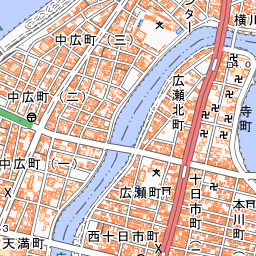
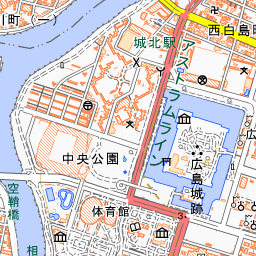
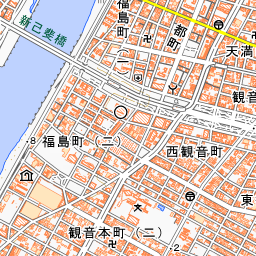
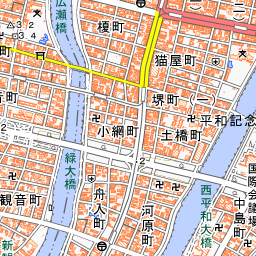
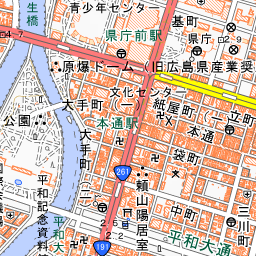
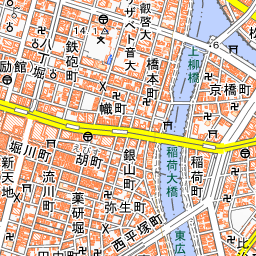
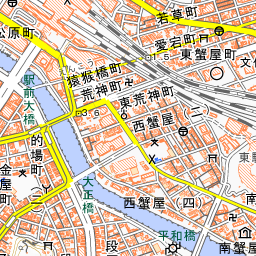
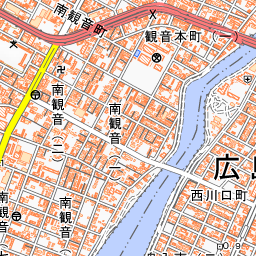
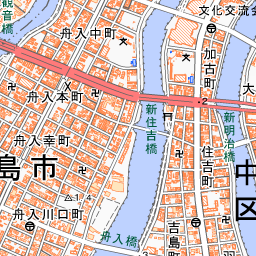
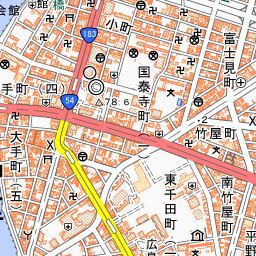
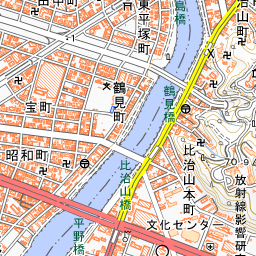

Spot location © OpenStreetMap contributors (ODbL)
Open in Google MapsGuides that include this spot (2)
Use asobot while you walk
- See where you are on the map and find spots nearby
- Listen to the guide's audio in course order, one after another (with subtitles)
- Walk to the next spot while following the map
Open on your phone
Scan to open this spot in asobot on your phone.