 ✨ AI Generated
Nagaoka Tenmangu Shrine
Japanese: 長岡天満宮
Nagaokakyo, Kyoto
This information was written by AI and may contain mistakes. Please check official sources for opening hours, fees, and other details before you go.
Found a mistake? Let us know with “✏️ Something's wrong” on this spot's screen in asobot →
🎧 Audio guide(1:07)
In short
A shrine dedicated to Sugawara no Michizane. Lord Michizane is revered as the deity of academics, exam success, arts and culture, and protection from misfortune. When he was demoted and exiled to Dazaifu, Lord Michizane stopped at this place, reluctant to part, and from this connection, the shrine began when a wooden statue made by Lord Michizane himself was enshrined here.
- Kirishima Azaleas of Hachijogaike Pond: The 100 Kirishima azalea shrubs on the central embankment that divides the pond and serves as the approach path are at their peak from mid-April to early May. They have an estimated age of around 170 years and are a natural monument of the city
- Main Hall Moved from Heian-jingu Shrine: The present main hall (honden) and other structures were received from Heian-jingu Shrine in Kyoto and relocated here in 1941 (Showa 16), and the main hall is a Tangible Cultural Property of Kyoto Prefecture
- Plum Grove and Kinkeien Garden: There are about 300 of the plum trees Lord Michizane deeply loved, which bloom around early March. Around Benten Pond lies "Kinkeien," an autumn foliage garden
History and Highlights
Nagaoka Tenmangu Shrine is a shrine dedicated to Sugawara no Michizane. Lord Michizane is revered as the deity of academics, exam success, arts and culture, and protection from misfortune. Nagaoka has deep ties to Lord Michizane, as it is a place where he often visited during his lifetime alongside Ariwara no Narihira and others to enjoy poetry and orchestral music. When he was demoted and exiled to Dazaifu, Lord Michizane stopped at this location, expressing his reluctance to part by saying, "My spirit shall remain long in this land." Originating from this connection, the shrine began when a wooden statue carved by Lord Michizane himself was enshrined here.
While the exact date of its founding is unknown, records show that the shrine buildings were lost to the fires of the Onin War and rebuilt in 1498 (Meio 7). After that, the imperial family maintained deep reverence for the shrine, repeatedly making donations and undertaking construction. In 1638 (Kan'ei 15), Prince Toshitada of the Hachijo-no-miya family constructed the Hachijogaike Pond. The present main hall (honden) and other structures were transferred and relocated here in 1941 (Showa 16) from Heian-jingu Shrine in Kyoto. The main hall is an unlacquered wooden building constructed in the sangensha nagare-zukuri style and is designated as a Tangible Cultural Property of Kyoto Prefecture.
Highlights for Viewing and Experiences
- Kirishima Azaleas of Hachijogaike Pond: Hachijogaike is an irrigation reservoir with a circumference of about 1 kilometer, and the central embankment that divides the pond serves as the approach path. The 100 Kirishima azalea shrubs on the central embankment are at their best from mid-April to early May. The bushes have a height of about 2.5 meters and an estimated age of around 170 years, and they are designated as a natural monument of the city.
- Wooden Bridge over the Pond and Waterside Flowers: From the Japanese cypress bridge built over the pond, you can enjoy a panoramic view of the shrine grounds centered on the pond. On the eastern embankment, cherry blossoms typically bloom from late March to early April, while in the western pond, Japanese irises (ayame, shobu, and kakitsubata) and red lotus flowers bloom starting in early summer.
- Plum Grove and Kinkeien Garden: Lord Michizane deeply loved plum blossoms. The plum grove contains about 300 plum trees, which bloom around early March. Along the approach, around Benten Pond, lies "Kinkeien," an autumn foliage garden completed in 2007 (Heisei 19).
Walking Tips
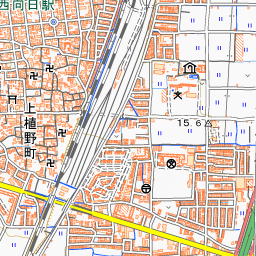
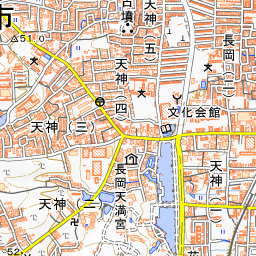
The large Otorii gate at the front is made entirely of granite and stands 9.75 meters high. From the Otorii gate to the main hall, there are stairs, and it takes about 5 minutes on foot. At the Sake Barrel Dedication Pavilion (Sakedaru Hoken-sha), barrels of renowned sake from all over Japan are dedicated, and the Kenshusai (sake-offering festival) is held every year at the end of April. It is a 10-minute walk west from the west exit of Hankyu Nagaoka-tenjin Station, and a 20-minute walk west from the west exit of JR Nagaokakyo Station.
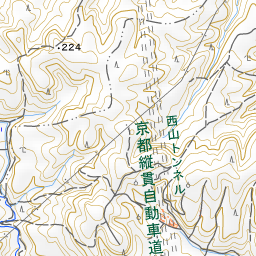
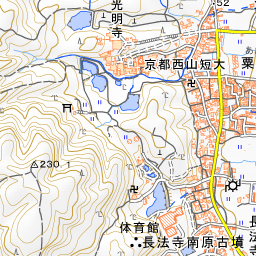
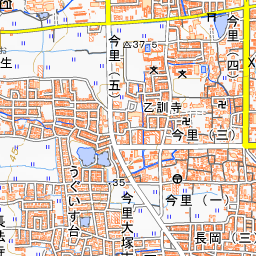
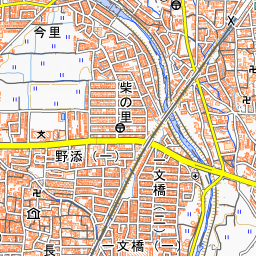

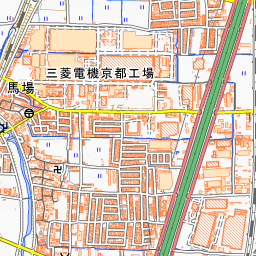

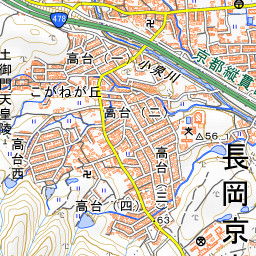
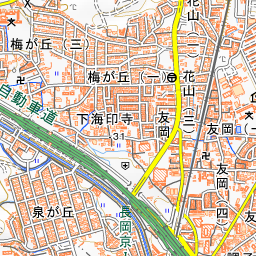
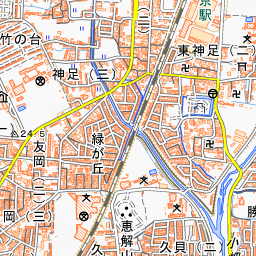
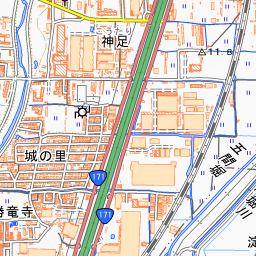
Spot location © OpenStreetMap contributors (ODbL)
Open in Google MapsGuides that include this spot (1)
Use asobot while you walk
- See where you are on the map and find spots nearby
- Listen to the guide's audio in course order, one after another (with subtitles)
- Walk to the next spot while following the map
Open on your phone
Scan to open this spot in asobot on your phone.