 ✨ AI Generated
Hiroshima Hondori Shopping Street
Japanese: 広島本通商店街
Naka Ward, Hiroshima
This information was written by AI and may contain mistakes. Please check official sources for opening hours, fees, and other details before you go.
Found a mistake? Let us know with “✏️ Something's wrong” on this spot's screen in asobot →
🎧 Audio guide(0:56)
In short
Hiroshima Hondori Shopping Street is an arcade shopping street in the center of Hiroshima City. In Hiroshima, it is widely and fondly known as "Hondori," and more than 200 shops line the street, which runs straight from east to west for about 577 meters. During the Edo period, it was part of the Saigoku Kaido, and following the same route as today, it has flourished as a commercial area supporting the Hiroshima castle town.
- The Saigoku Kaido Beneath Your Feet: In 2000 (Heisei 12), plaques for the Saigoku Kaido were installed on the road surface of the street. Looking down at your feet, you can feel that this was once a highway
- Recovery from the Atomic Bombing: After the atomic bombing, the people who ran businesses and lived here joined forces, gradually restoring the vibrant streetscape to its original state
- A Street Supporting the Carp: Hondori is also a hub for cheering on the Hiroshima Toyo Carp. Lantern processions were held when the team won its first championship in 1975 and its second league championship in 1979
History and Highlights
Hiroshima Hondori Shopping Street is an arcade shopping street located in the center of Hiroshima City. In Hiroshima, it is widely and fondly known as "Hondori." Running straight from east to west for about 577 meters with a street width of 9 to 11 meters, it is lined with more than 200 shops. Welcoming an average of approximately 100,000 visitors per day, it is a shopping street that represents the Chugoku and Shikoku regions.
During the Edo period, the current Hondori was part of the Saigoku Kaido (Sanyo-do highway), which passed through the castle town of Hiroshima. Following the exact same route since the Edo period, it has flourished as a commercial area supporting the Hiroshima castle town. From the Meiji and Taisho periods to the early Showa period, department stores and Western apparel shops lined the street alongside long-established shops. In 1921 (Taisho 10), lily-of-the-valley-shaped streetlights were installed, becoming a symbol of Hondori.
After the atomic bombing, the people who ran businesses and lived here joined forces, gradually restoring the vibrant streetscape to its original state. In 1954 (Showa 29), the first arcade was completed, but the following year it collapsed under 16 centimeters of snowfall. In 1965 (Showa 40), "Hondori" became the official name of the district, and in 1982 (Showa 57), it entered into a sister-street affiliation with the "Strøget Shopping Street" in Copenhagen, the capital of Denmark.
Sights and Experiences
- The Saigoku Kaido Beneath Your Feet: In 2000 (Heisei 12), commemorative plaques for the Saigoku Kaido were installed on the road surface of the street. Looking down at your feet, you can feel that this was once an ancient highway.
- Town History in Old District Names: Along the street, there once were consecutive neighborhoods called Hiratayacho, Harimayacho, and Kawayacho. The name Hiratayacho is said to derive from Hirataya Soemon, who was invited from Izumo by Mori Terumoto, the builder of Hiroshima Castle. Kawayacho was a leather-crafting neighborhood with records showing that 20 leather dyeing businesses operated here during the Edo period.
- A Street Supporting the Carp: Hondori is also a hub for cheering on the Hiroshima Toyo Carp. Lantern processions were held when the team won its first championship in 1975 and its second league championship in 1979. On later nights when the team clinched championships, Hondori was likewise overflowing with celebrating fans.
Walking Tips
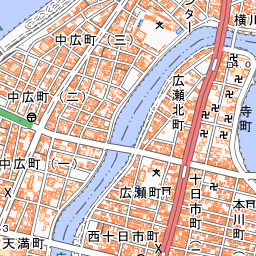
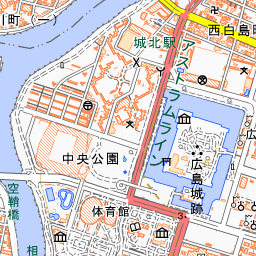
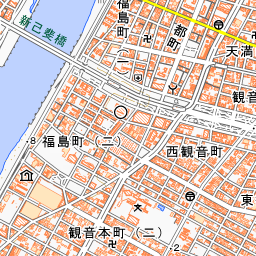
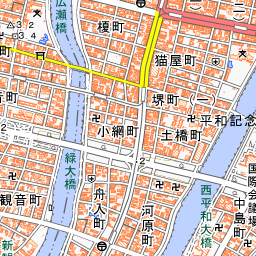
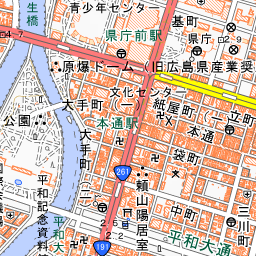
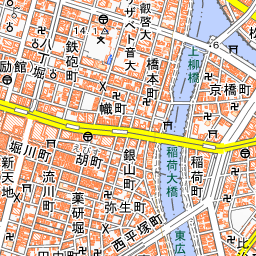
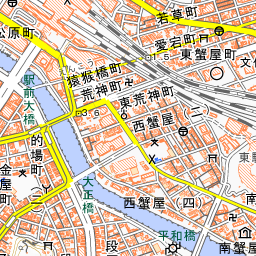
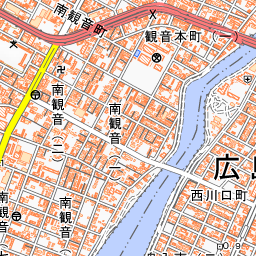
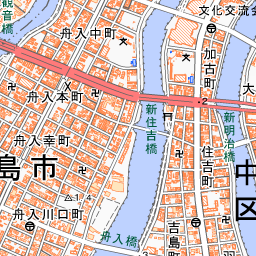
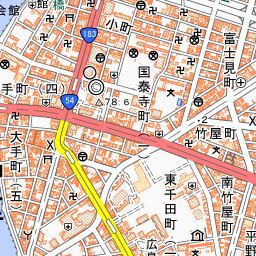
The closest stations are "Hondori" Station on the Astram Line and "Hondori" tram stop on the Hiroshima Electric Railway. The shopping street extends west to Peace Memorial Park. About 240 meters to the south stands the Former Bank of Japan Hiroshima Branch, and about 260 meters to the southeast is the Fukuromachi Elementary School Peace Museum. Walking about 520 meters to the southeast brings you to Okonomimura.


Guides that include this spot (1)
Use asobot while you walk
- See where you are on the map and find spots nearby
- Listen to the guide's audio in course order, one after another (with subtitles)
- Walk to the next spot while following the map
Open on your phone
Scan to open this spot in asobot on your phone.