 ✨ AI Generated
Takeisao-jinja Shrine
Japanese: 建勲神社
Kita Ward, Kyoto
This information was written by AI and may contain mistakes. Please check official sources for opening hours, fees, and other details before you go.
Found a mistake? Let us know with “✏️ Something's wrong” on this spot's screen in asobot →
🎧 Audio guide(1:02)
In short
Takeisao-jinja Shrine is a shrine dedicated to Oda Nobunaga and is familiarly known to the public as "Kenkun-san." In 1869 (Meiji 2), Emperor Meiji ordered its founding in recognition of Nobunaga's achievements. In 1910 (Meiji 43), the main hall and other structures were moved from the foot of Mt. Funaoka to their current location at the top of the mountain.
- Important Cultural Properties associated with Nobunaga: The shrine preserves many treasures associated with Nobunaga, such as the kon'ito-odoshi domaru armor worn by Nobunaga, the Yoshimoto Samonji tachi sword, and the Shinchoko-ki (Chronicle of Lord Nobunaga) handwritten by Ota Gyuichi himself
- The "Atsumori" poem monument and the Thirty-Six Meritorious Retainers: Along the front approach stands a poem monument inscribed with the passage "A man's life lasts fifty years," and in the worship hall hang framed portraits of 12 of the 36 meritorious retainers
- The mountaintop main hall and views of Higashiyama: The main hall stands at the summit of Mt. Funaoka, facing east, and from the grounds you can view the mountains of Higashiyama, including Mt. Hiei and Mt. Daimonji
History and Highlights
Takeisao-jinja Shrine is a shrine dedicated to Oda Nobunaga and is familiarly known to the public as "Kenkun-jinja" or "Kenkun-san." In 1869 (Meiji 2), in recognition of Nobunaga's achievements in pursuing the unification of the realm and reviving imperial court ceremonies, Emperor Meiji ordered the founding of a shrine, and the following year, the divine name "Takeisao" (Kenkun) was bestowed. In 1875, it was ranked as a Special Government Shrine (Bekkaku Kanpeisha) and granted shrine grounds on Mt. Funaoka. In 1880, the shrine buildings were constructed, and Nobunaga's eldest son and heir, Oda Nobutada, was enshrined alongside him. In 1910 (Meiji 43), the main hall and other structures were moved from the foot of the mountain to their current location at the top of the mountain.
After the Honno-ji Incident, Toyotomi Hideyoshi attempted to build a temple on Mt. Funaoka to comfort Nobunaga's spirit, but it was never completed, and Mt. Funaoka has been carefully preserved ever since as Nobunaga's sacred site. Stories about Mt. Funaoka itself, including its connection to Heian-kyo, are introduced at Funaokayama Park.
Viewing and Experience Points
- Important Cultural Properties Associated with Nobunaga: The shrine preserves numerous treasures associated with Nobunaga, including Important Cultural Properties such as the kon'ito-odoshi domaru armor worn by Nobunaga, the Yoshimoto Samonji tachi sword from the Battle of Okehazama, and the Shinchoko-ki (Chronicle of Lord Nobunaga) handwritten by Ota Gyuichi. The Yoshimoto Samonji sword is also known as the Soza Samonji.
- The "Atsumori" Poem Monument and the Thirty-Six Meritorious Retainers: Along the front approach, there is a poem monument inscribed with a passage from "Atsumori," which Nobunaga danced before heading out to the Battle of Okehazama: "A man's life lasts fifty years; compared with the realm under heaven, it is but like a dream and an illusion." In the worship hall, framed portraits of 12 of the 36 meritorious retainers who supported Nobunaga's great deeds are displayed, rotating each year so that all are shown over three years.
- The Mountaintop Main Hall and Views of Higashiyama: The main hall stands at the summit of Mt. Funaoka, facing east. From the lush green grounds, visitors can view the mountains of Higashiyama, including Mt. Hiei and Mt. Daimonji (Nyoigatake). Along Funaoka-higashi-dori Street at the foot of the mountain stands a 7.2-meter-tall wooden Otorii gate made of cypress from Alishan, Taiwan.
Tips for Exploring
It is about a 9-minute walk from the "Kenkun-jinja-mae" Kyoto City Bus stop. Visitors make their way up from the foot of the mountain where the Otorii gate stands to the shrine buildings at the top of the mountain. Every year on October 19, the Funaoka Taisai Festival is held in commemoration of the day the divine title "Takeisao" was conferred, featuring dedications of the Shimai dance "Atsumori" and bugaku court dance and music. From the entrance of the north approach, it takes about 8 minutes to walk to Imamiya-jinja Shrine and about 10 minutes to the main quarters of Daitoku-ji Temple, both of which are introduced as separate spots.
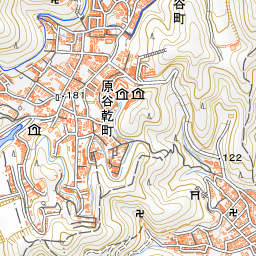
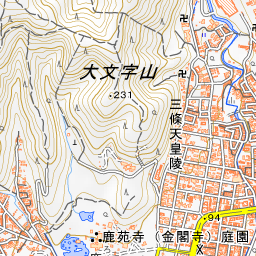
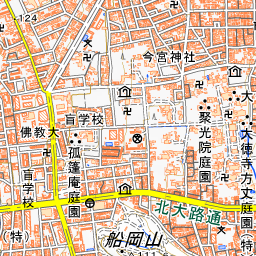
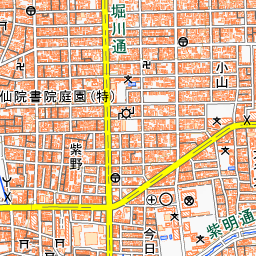

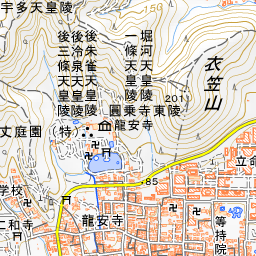

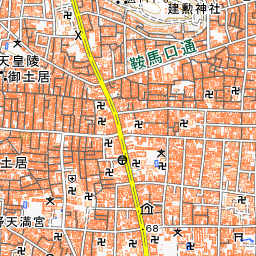


Spot location © OpenStreetMap contributors (ODbL)
Open in Google MapsGuides that include this spot (1)
Use asobot while you walk
- See where you are on the map and find spots nearby
- Listen to the guide's audio in course order, one after another (with subtitles)
- Walk to the next spot while following the map
Open on your phone
Scan to open this spot in asobot on your phone.