 ✨ AI Generated
Kita-Senju
Japanese: 北千住
Adachi City, Tokyo
This information was written by AI and may contain mistakes. Please check official sources for opening hours, fees, and other details before you go.
Found a mistake? Let us know with “✏️ Something's wrong” on this spot's screen in asobot →
🎧 Audio guide(1:06)
In short
Kita-Senju flourished during the Edo period as "Senju-shuku," the first post town on the Nikko Kaido highway. Today, the former highway has become the Shukubamachi-dori shopping street, where merchant wholesale houses from the late Edo period and a maker of votive tablets (ema) still remain. Around the station, there is also the lively energy of drinking alleys and a student district, bringing the old and the new together side by side.
- Shukubamachi-dori: A shopping street along the former Nikko Kaido, where each streetlight features descriptions such as the names and family crests of the feudal lords (daimyo) who passed through Senju-shuku.
- The Yokoyama Family Residence and Ema-ya: The Yokoyama Family Residence, a wholesale merchant building constructed in the late Edo period, and the Yoshida family, who have made ema since the Edo period, convey the remnants of the wholesale district.
- Shosen-ji Temple (Akamon-dera): A temple known as "Akamon-dera" (Red Gate Temple) due to its vermilion-lacquered main gate; the image of Enma (the King of Hell) is placed on public display on January 15–16 and July 15–16.
History and Highlights
"Kita-Senju" is the name of the station; as a place name or regional area, it is called "Senju."
The shogunate began developing the Nikko Kaido in 1624 (Kanei 1), and Senju-shuku was established the following year in 1625 (Kanei 2). It was the first post town on the Nikko Kaido and was counted as one of the "Four Post Towns of Edo" alongside Shinagawa-shuku, Itabashi-shuku, and Naito-Shinjuku.
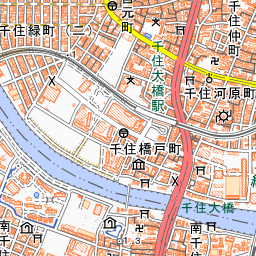
The prosperity of this post town was supported by its river and bridge. In 1594 (Bunroku 3), by order of Tokugawa Ieyasu, the first bridge over the Sumida River, Senju Ohashi Bridge, was completed. Blessed with water transport on the Sumida River, the green produce market "Yacchaba" in Senju-Kawaramachi became an official supplier market (goyo-shijo) to the shogunate in 1735 (Kyoho 20). Along with Kanda and Komagome, it was one of Edo's three major green produce markets. Senju was the largest post town in Edo, with a population of approximately 10,000 residents.
Senju was also a place of departures. In 1689 (Genroku 2), Matsuo Basho began his journey for "The Narrow Road to the Deep North" (Oku no Hosomichi) from Senju. In 1815 (Bunka 12), a famous drinking contest ("Senju no Sake-gassen") was held to celebrate the 60th birthday of a courier merchant master, attracting Edo literati.
Points for Viewing and Experiencing
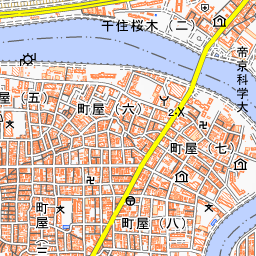
- Shukubamachi-dori: The former Nikko Kaido around Senju-shuku is now a shopping street. Each streetlight features descriptions including the names and family crests of the daimyo who traveled through Senju-shuku.
- Yokoyama Family Residence and Ema-ya: Located in Senju 4-chome are two houses that preserve traces of the wholesale district. The Yokoyama family was a wholesale dealer handling recycled paper, and their building dates to the late Edo period. It has an elongated layout measuring about 23 meters wide at the front and extending about 102 meters deep, characterized by an entrance that sits one step lower than the road. The Yoshida family is an ema workshop that has produced votive tablets for generations since the Edo period, and the designs on their small ema are known as "Senju Ema."
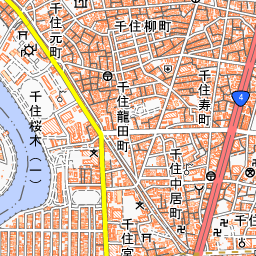
- Shosen-ji Temple: A temple in Senju 2-chome known as "Akamon-dera" for its vermilion-lacquered main gate. A palace for the Tokugawa shogunal family was built here and used by figures such as Hidetada and Iemitsu. It is also said that the place name "Senju" may have derived from "Senju," referring to the temple's statue of Senju Kannon (Thousand-Armed Kannon). The image of Enma is displayed to the public on January 15–16 and July 15–16.
Walking Tips
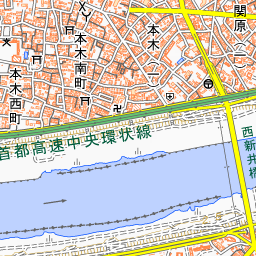
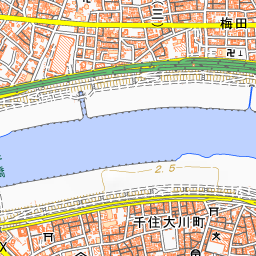
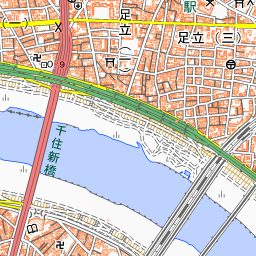
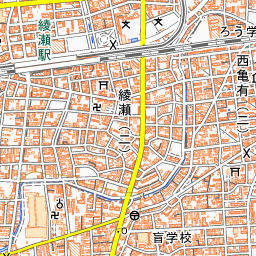
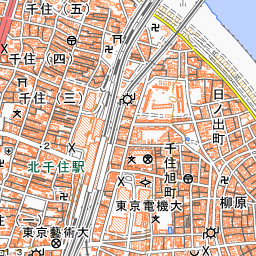
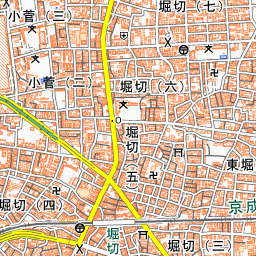
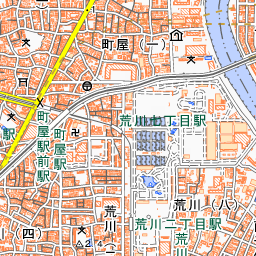
Exit the West Exit of Kita-Senju Station (served by JR and Tokyo Metro) and head toward Shukubamachi-dori on the former Nikko Kaido. A good first stop is the rest spot "Senju Machi-no-Eki." Housed in a former fishmonger building that is over 100 years old, this tourist information center offers sightseeing maps. Since the old highway has no sidewalks, please watch out for cars as you walk. Just near the West Exit is a drinking alley where old and new establishments sit side by side. On the opposite side of the station, the Asahicho Shopping Street has the atmosphere of a student town, being right in front of Tokyo Denki University. In the TV drama series "3-nen B-gumi Kinpachi-sensei," this shopping street and the Arakawa riverbanks often appeared as the students' walk to school.


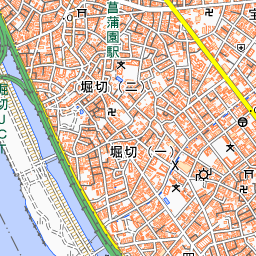
Spot location © OpenStreetMap contributors (ODbL)
Open in Google MapsUse asobot while you walk
- See where you are on the map and find spots nearby
- Listen to the guide's audio in course order, one after another (with subtitles)
- Walk to the next spot while following the map
Open on your phone
Scan to open this spot in asobot on your phone.