 ✨ AI Generated
Memorial Cathedral for World Peace
Japanese: 世界平和記念聖堂
Naka Ward, Hiroshima
This information was written by AI and may contain mistakes. Please check official sources for opening hours, fees, and other details before you go.
Found a mistake? Let us know with “✏️ Something's wrong” on this spot's screen in asobot →
🎧 Audio guide(1:06)
In short
The Memorial Cathedral for World Peace is the cathedral of Catholic Noboricho Church, located in Noboricho, Naka Ward, Hiroshima City. It was built to memorialize the victims of the atomic bombing and to pray for world peace, and was completed on August 6, 1954. In 2006, it became the first postwar building to be designated a national Important Cultural Property.
- Church Architecture Reflecting Japan: While carrying on the form of a three-aisled basilica, it weaves in Japanese-inspired designs, such as windows reminiscent of pine, bamboo, and plum, lighting fixtures shaped like lotus flowers, and a phoenix atop the dome
- Gifts from Around the World: The copper front doors donated from Germany, the pipe organ donated by Cologne, the stained-glass windows donated from Marian pilgrimage sites, and other gifts gather the prayers for peace of people across the world
- Exterior Walls Weathered by Time: The bricks of the exterior walls were handmade on-site, and architect Murano Togo designed the building with changes over the years in mind
History and Highlights
The Memorial Cathedral for World Peace is the cathedral of Catholic Noboricho Church, located in Noboricho, Naka Ward, Hiroshima City. It was built to memorialize the victims of the atomic bombing and to pray for world peace. In 2006, it became the first postwar building to be designated a national Important Cultural Property.
A Catholic church was first established in Hiroshima in 1599, when the area was ruled by Mori Terumoto. After relocating multiple times, the church settled at its current location in 1902. On August 6, 1945, the chief priest at the time, Father Hugo Lassalle from Germany, was exposed to the atomic bombing in the parish house. Immediately after the bombing, the priests cared for the injured in nearby Shukkeien Garden.
In 1946, Father Hugo Lassalle resolved to construct a cathedral commemorating world peace as a "symbol of fraternity and peace among all nations." Receiving support and blessings from Pope Pius XII, he also called for support across the world. A design competition was held, but no first prize was awarded, and architect Murano Togo, who was on the judging panel, took charge of the design. Construction began in 1950, and the cathedral was completed on August 6, 1954.
Highlights of Appreciation and Experience
- Church Architecture Reflecting Japan: The cathedral carries on the form of a three-aisled basilica, a traditional style of church architecture. In addition, Japanese-inspired designs are woven throughout the details, such as windows reminiscent of pine, bamboo, and plum, lighting fixtures shaped like lotus flowers, and a phoenix atop the dome. The lotus-shaped lighting expresses gratitude toward Buddhists who made donations.
- Gifts from Around the World: The copper front doors donated from Germany; the "Bells of Peace" donated by a West German company; the pipe organ donated by Cologne, a German city that had suffered severe air raids; and stained-glass windows in the side aisles donated from Marian pilgrimage sites in Germany, Portugal, Mexico, and other places. The prayers for peace from people across the world, beginning with Germany, gather in this cathedral.
- Exterior Walls Weathered by Time: The exterior walls were built by laying grayish mortar bricks between exposed concrete posts and beams. The bricks were handmade on-site, and the method of laying them with some protruding sections and rough joints creates subtle shading. Murano Togo remarked that "this architecture will be truly designed after ten years," designing it with changes over the years in mind.
Tips for Visiting
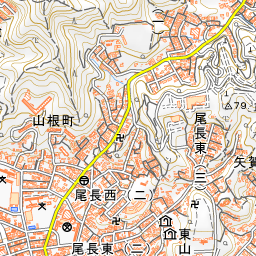
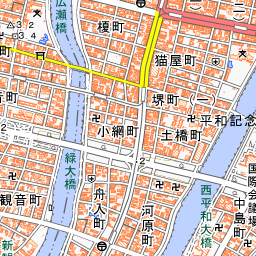
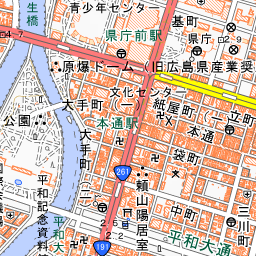
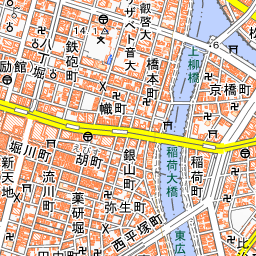
It is about a 5-minute walk from the Kanayama-cho tram stop on the Hiroshima Electric Railway, and about a 15-minute walk from Peace Memorial Park. Visitors cannot tour inside during masses and other liturgical ceremonies. Please keep in mind that this is a place of prayer, and observe quietness during your visit. Shukkeien Garden and the Hiroshima Prefectural Art Museum are located about 500 meters to the north.

Guides that include this spot (1)
Use asobot while you walk
- See where you are on the map and find spots nearby
- Listen to the guide's audio in course order, one after another (with subtitles)
- Walk to the next spot while following the map
Open on your phone
Scan to open this spot in asobot on your phone.