 ✨ AI Generated
Itabashi City Akatsuka Botanical Garden
Japanese: 板橋区立赤塚植物園
Itabashi City, Tokyo
This information was written by AI and may contain mistakes. Please check official sources for opening hours, fees, and other details before you go.
Found a mistake? Let us know with “✏️ Something's wrong” on this spot's screen in asobot →
🎧 Audio guide(1:08)
In short
This municipal botanical garden opened in 1981, making use of the hilly terrain of Akatsuka, which strongly retains the atmosphere of the Musashino region. It consists of three areas: the Main Garden (an arboretum), the Manyo and Medicinal Herb Garden featuring plants mentioned in the Man'yoshu poetry anthology, and the Agricultural Garden where visitors can view vegetable flowers and fruit trees.
- Main Garden: An arboretum of approximately 1 hectare; climbing up from the main entrance toward the back leads to an open square shaded by eight zelkova trees.
- Manyo and Medicinal Herb Garden: Information boards display poems from the Man'yoshu, allowing visitors to enjoy the plants alongside the poetry.
- Agricultural Garden: Added in 2020 (Reiwa 2), this area features a field where children can experience farm work and an ornamental garden plot known as a "potager."
History and Highlights
Itabashi City Akatsuka Botanical Garden opened in October 1981 as a facility where visitors can closely appreciate nature and plants, making use of the hilly terrain of Akatsuka that strongly preserves the vestiges of Musashino. It is located to the south of Joren-ji Temple, which is known for the Tokyo Daibutsu (Tokyo Great Buddha).
The garden is divided into three areas. The central Main Garden is an arboretum spanning approximately 1 hectare, planted with many species of trees, beneath which wild herbs and wildflowers also bloom. In 1986, the Manyo and Medicinal Herb Garden was opened, gathering medicinal plants and flora depicted in the Man'yoshu. In 2020 (Reiwa 2), the Agricultural Garden was added, featuring fields primarily for children to experience farm work and a "potager" field for viewing vegetable flowers and fruit trees.
The grounds of the Main Garden rise gradually from the lowest point at the main entrance toward the back. Garden paths weave through areas such as a Japanese garden, a rose garden, a wild herb trail, and a conifer forest. Some trees from the mixed secondary forest that originally covered the site have also been preserved.
Viewing and Experience Highlights
- Rare Plants Behind the Wisteria Trellis: Beyond the rose garden lies a wisteria trellis with benches under its shade. Behind the wisteria trellis, the garden has planted shimobashira (Keiskea japonica) and dove trees (handkerchief trees), which are highlighted as featured plants by the garden.
- Zelkova Square and Musashino Trees: At the innermost part of the Main Garden is Zelkova Square, where eight zelkova trees cast shade over a spacious lawn surrounded by mounds of azaleas. In the "Musashino Trees" area, where trees of the mixed woodland were retained, visitors can also see nirinso (soft windflower), the official flower of the ward.
- The "Forgetfulness Herb" of the Man'yoshu: Information boards in the Manyo and Medicinal Herb Garden display poems from the Man'yoshu written about plants. One of them is nokanso (orange daylily). It appeared in classical Chinese texts as wangyoucao (grief-dispelling herb) and came to be called wasuregusa ("forgetfulness herb") in Japan. People of the Man'yo period composed various poems about it as a herb that, if worn, would make one forget longing and lovesickness.
Walking Tips
The garden is an 18-minute walk from either Narimasu Station or Shimo-Akatsuka Station on the Tobu Tojo Line. From the North Exit of Narimasu Station, you can also take a bus, get off at "Akatsuka Hachichome," and walk for 5 minutes. As there is no parking lot, please visit by public transportation.
The "Path of Fragrance" inside the garden is lined with aromatic flowering trees and includes explanatory boards in braille. In the Japanese garden, examples of fences, stone lanterns, and shishi-odoshi (bamboo water fountains) are placed within a bamboo grove. The Welcome Center posts information about flowering and fruiting, and also houses the "Green Study Room" stocked with books on plants.
Joren-ji Temple is about 180 meters to the north, the Itabashi Art Museum is about 430 meters to the north, and the Itabashi City Local History Museum is about 570 meters to the north, allowing for a continuous walking route.
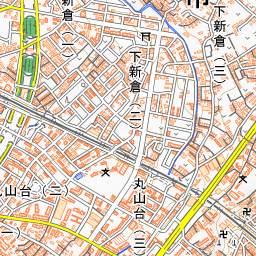
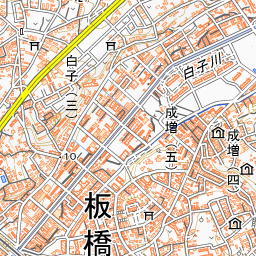
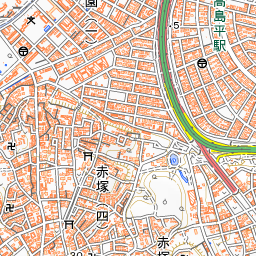

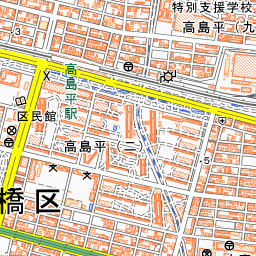
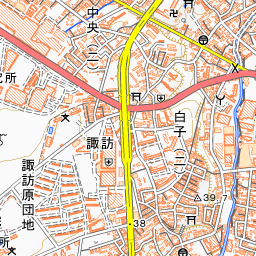
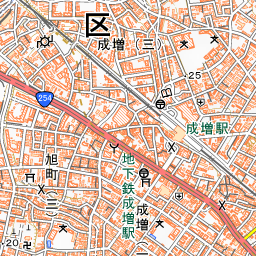
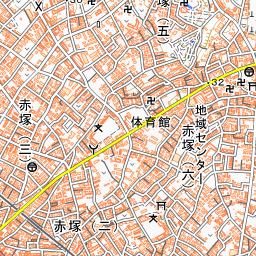
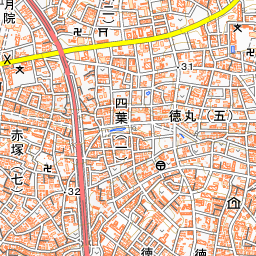
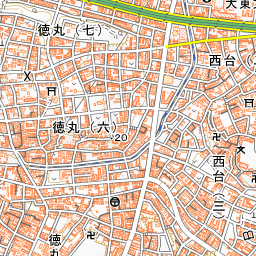
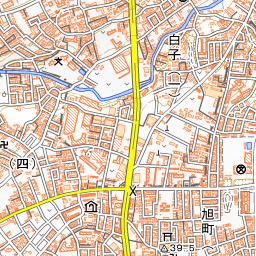
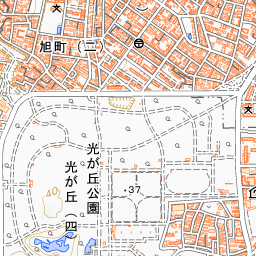
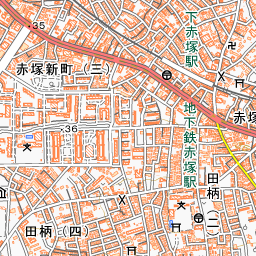
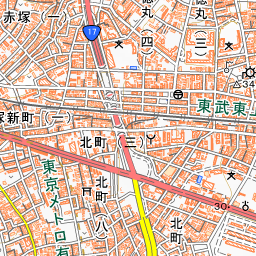
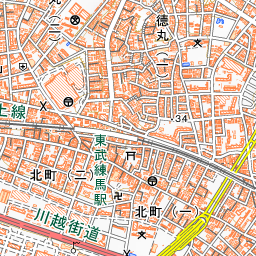
Spot location © OpenStreetMap contributors (ODbL)
Open in Google MapsUse asobot while you walk
- See where you are on the map and find spots nearby
- Listen to the guide's audio in course order, one after another (with subtitles)
- Walk to the next spot while following the map
Open on your phone
Scan to open this spot in asobot on your phone.