 ✨ AI Generated
Ikukunitama-jinja Shrine
Japanese: 生國魂神社
Tennoji Ward, Osaka
This information was written by AI and may contain mistakes. Please check official sources for opening hours, fees, and other details before you go.
Found a mistake? Let us know with “✏️ Something's wrong” on this spot's screen in asobot →
🎧 Audio guide(1:10)
In short
A shrine affectionately known as "Ikutama-san" and also called Naniwa Taisha. It is said to have begun when Emperor Jimmu enshrined Ikushima-no-Kami and Tarushima-no-Kami at Ishiyamasaki in Osaka Bay—an area that includes present-day Osaka Castle. In 1583 (Tensho 11), Toyotomi Hideyoshi designated that location as the site for building Osaka Castle, so the shrine was moved to its present grounds. The main hall is built in the "Ikutama-zukuri Style," with three gables on the front, a style said to have no other parallel in the history of shrine architecture.
- Joruri-jinja Shrine and Precinct Shrines: Joruri-jinja Shrine is dedicated to the deity of artistic improvement, enshrining deceased figures from the three professions of Bunraku—shamisen players, puppeteers, and tayu (narrators)—including Chikamatsu Monzaemon. Other precinct shrines include Fuigo-jinja Shrine, which enshrines the god of ironmaking, and Shigino-jinja Shrine, revered by Yodo-gimi
- Ties to Kamigata Arts and Literature: A memorial monument to Yonezawa Hikohachi, considered "the founder of Osaka rakugo," stands beside the main hall, and on the former site of Nanbo is a seated statue of Ihara Saikaku. In 1680 (Empo 8), Saikaku recited 4,000 haikai verses entirely by himself over a single day and night at this location
- Summer Festival and Hikohachi Festival: The Ikutama Summer Festival (Ikukunitama Matsuri) on July 11 and 12 is known as one of Osaka's three major summer festivals. On August 11 and 12, the Osaka Takigi Noh is held, and on the first Sunday of September and the preceding day, the Hikohachi Festival, associated with Yonezawa Hikohachi, takes place
History and Highlights
Ikukunitama-jinja Shrine, affectionately known as "Ikutama-san" and also called Naniwa Taisha, is an ancient shrine recorded as a Myojin Taisha in the Engishiki (an ancient book of laws and customs). It is said to have begun when Emperor Jimmu arrived at Naniwazu from Kyushu and enshrined Ikushima-no-Kami and Tarushima-no-Kami at Ishiyamasaki, which jutted out into Osaka Bay—an area that includes present-day Osaka Castle.
During the Middle Ages, Ishiyama Hongan-ji Temple was built within the shrine grounds, but it was destroyed by fire following the Ishiyama Battle against Oda Nobunaga. In Tensho 11 (1583), Toyotomi Hideyoshi designated this location as the site for building Osaka Castle, so the shrine was moved to its present grounds. The Edo Shogunate granted it a shuinryo (red-seal estate) of 300 koku and revered it as a place of prayer for the protection of Osaka Castle.
The main hall (honden) is built in the "Ikutama-zukuri Style," in which the honden and heiden (hall of offerings) are covered under a single continuous nagare-zukuri flowing roof, featuring three gables on the front: a chidori hafu (dormer gable), a sugari karahafu (sloping undulating gable), and another chidori hafu. This style is said to have no other parallel in the history of shrine architecture. The shrine buildings were rebuilt after being lost repeatedly in the Great Minami Fire of Meiji 45 (1912), the Great Osaka Air Raid of Showa 20 (1945), and Typhoon Jane, before being reconstructed again in Showa 31 (1956). Although the current main hall is a postwar concrete structure, it is said to convey remnants of the Momoyama period.
Viewing and Experience Points
- Joruri-jinja Shrine and Precinct Shrines: Joruri-jinja Shrine is dedicated to the deity of artistic improvement, enshrining deceased figures from the three professions of Bunraku—shamisen players, puppeteers, and tayu (narrators)—including Chikamatsu Monzaemon. Other precinct shrines include Fuigo-jinja Shrine, which enshrines the god of ironmaking, and Shigino-jinja Shrine, revered by Yodo-gimi.
- Ties to Kamigata Arts and Literature: Yonezawa Hikohachi, considered the founder of Osaka rakugo, was active in the shrine grounds during the Genroku era, and a memorial monument stands beside the main hall. On the former site of Nanbo stands a seated statue of Ihara Saikaku, who recited 4,000 haikai verses entirely by himself over a single day and night at this location in Empo 8 (1680).
- Summer Festival and Hikohachi Festival: The Ikutama Summer Festival (Ikukunitama Matsuri) on July 11 and 12 is known as one of Osaka's three major summer festivals. On August 11 and 12, the Osaka Takigi Noh is held, and on the first Sunday of September and the preceding day, the Hikohachi Festival, associated with Yonezawa Hikohachi, takes place, drawing bustling crowds of worshippers.
Walking Tips
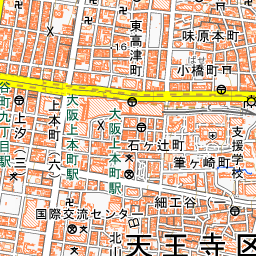
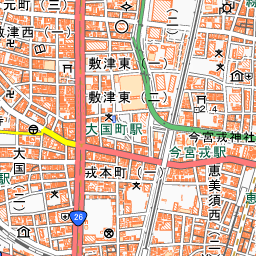
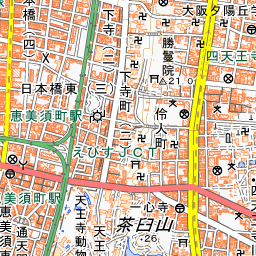
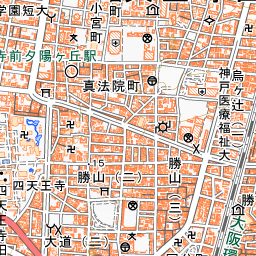
It is about a 3-minute walk from Tanimachi 9-chome Station on the Osaka Metro Tanimachi Line. Walking up Shingonzaka, the northernmost slope of the Tennoji Nanasaka Slopes, brings you to Ikukunitama-jinja Shrine located on the north side of the Uemachi Plateau. Following the slopes southward from here, you can reach Kuchinawazaka Slope after about 700 meters and Oe-jinja Shrine after about 890 meters, allowing you to enjoy the continuous atmosphere of temple towns.
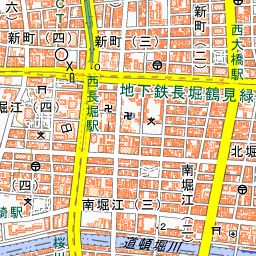
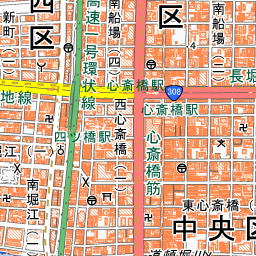
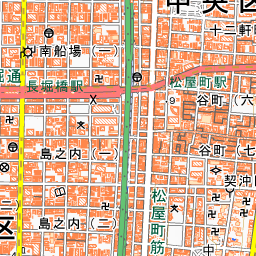
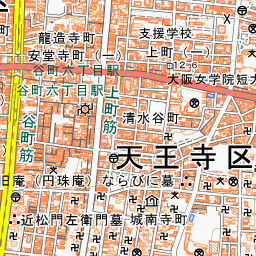
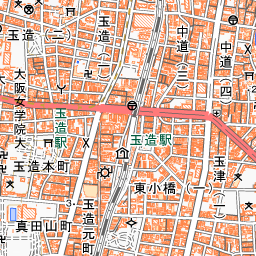
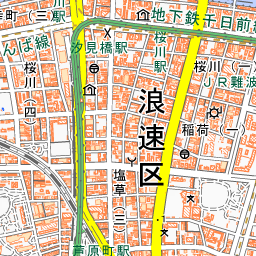
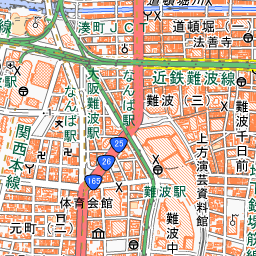
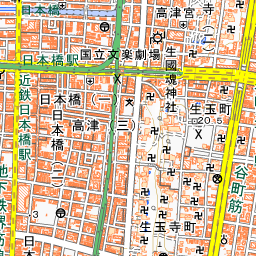


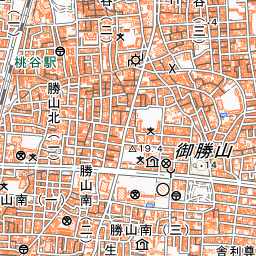
Spot location © OpenStreetMap contributors (ODbL)
Open in Google MapsGuides that include this spot (1)
Use asobot while you walk
- See where you are on the map and find spots nearby
- Listen to the guide's audio in course order, one after another (with subtitles)
- Walk to the next spot while following the map
Open on your phone
Scan to open this spot in asobot on your phone.