 ✨ AI Generated
Ujigami-jinja Shrine
Japanese: 宇治上神社
Uji, Kyoto
This information was written by AI and may contain mistakes. Please check official sources for opening hours, fees, and other details before you go.
Found a mistake? Let us know with “✏️ Something's wrong” on this spot's screen in asobot →
🎧 Audio guide(1:08)
In short
Ujigami-jinja Shrine stands at the foot of Mount Asahi on the east bank of the Uji River, facing Byodo-in Temple across the river. It was venerated as the guardian shrine of Byodo-in Temple, and in 1994 (Heisei 6) it was registered as a World Heritage Site as one of the "Historic Monuments of Ancient Kyoto."
- The National Treasure main hall: A rare type of building in which three inner sanctuaries in the ikkensha nagare-zukuri style stand side by side under a single overarching roof structure (oiya). Built from the late 11th century to the early 12th century, it is considered the oldest surviving example of nagare-zukuri architecture, as well as of shrine architecture overall
- The National Treasure worship hall: Standing in front of the main hall, it dates from the early 13th century and is the oldest extant worship hall. It has an ambiance close to residential architecture
- Kiriharasui: A natural spring within the grounds, it is the only one remaining today among the "Seven Famous Waters of Uji," which were renowned for their high quality
History and Highlights
Ujigami-jinja Shrine is located at the foot of Mount Asahi on the east bank of the Uji River, facing Byodo-in Temple across the river. It is said that the enshrined deities are Emperor Ojin, his imperial son Uji no Wakiiratsuko, and Uji no Wakiiratsuko's elder brother, Emperor Nintoku. Until the Meiji period, it was considered a single entity together with the neighboring Uji-jinja Shrine and was called "Rikyu Kamisha."
While its foundation is unclear, it came to be venerated as the guardian shrine of Byodo-in Temple after the completion of the Phoenix Hall, and its shrine buildings were arranged with the support of Byodo-in Temple. In 1994 (Heisei 6), it was registered as a World Heritage Site as one of the "Historic Monuments of Ancient Kyoto."
The main hall (honden), designated as a National Treasure, is a rare type of structure featuring three inner sanctuaries built in the ikkensha nagare-zukuri style lined up together and sheltered by a single overarching roof structure (oiya). The left and right inner sanctuaries are large, while the central inner sanctuary is built slightly smaller. Based on details of their construction, it is believed that they were built in order from the left sanctuary, the central sanctuary, to the right sanctuary, dating from the late 11th century to the early 12th century. It is considered the oldest surviving example of nagare-zukuri architecture, as well as of shrine architecture overall.
Viewing and Experience Highlights
- National Treasure Worship Hall (Haiden): Standing in front of the main hall, the worship hall is also a National Treasure and is the oldest extant worship hall, dating from the early 13th century. Featuring a gable roof connected to pent roofs on both sides with sugaru-hafu gables and using shitomido (latticed shutters), it has an ambiance close to residential architecture.
- Subordinate Shrines Such as Kasuga-sha: Within the grounds are subordinate shrines built in the Kamakura period, including Kasuga-sha. The main hall of the subordinate shrine Kasuga-sha is designated as a National Important Cultural Property.
- Kiriharasui of the Seven Famous Waters of Uji: Within the precinct, there is a natural spring known as "Kiriharasui." It is the only one remaining today among the "Seven Famous Waters of Uji," which were renowned for their high quality.
Walking Tips
It is about a 10-minute walk from Uji Station on the Keihan Uji Line, and about a 20-minute walk from Uji Station on the JR Nara Line. The stone monuments reading "Uji-jinja Shrine" on the approach to Ujigami-jinja Shrine and beside the torii gate of Uji-jinja Shrine are said to be remnants of the time when the two shrines were originally one. You may wish to visit together with Uji-jinja Shrine and extend your walk to Byodo-in Temple on the opposite bank of the Uji River, The Tale of Genji Museum, Uji City, and Kosho-ji Temple.
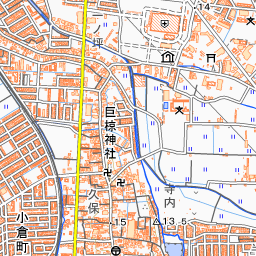
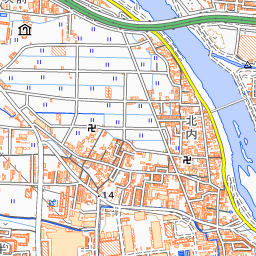
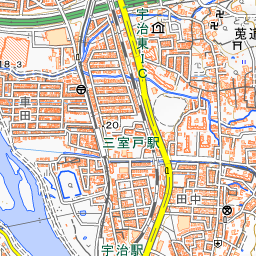
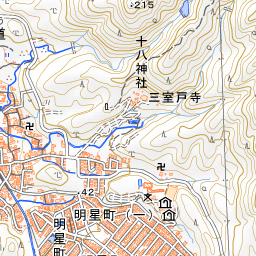
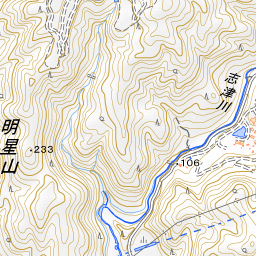
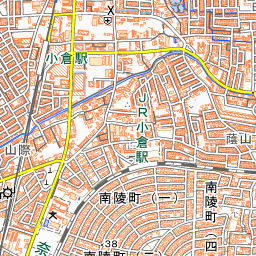
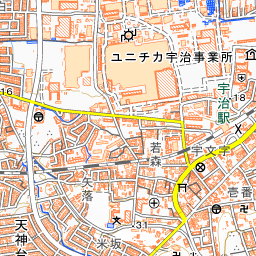
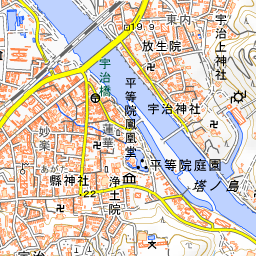
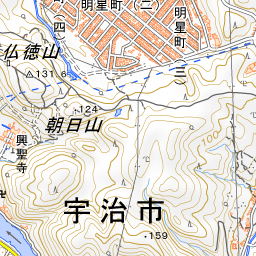
Spot location © OpenStreetMap contributors (ODbL)
Open in Google MapsGuides that include this spot (1)
Use asobot while you walk
- See where you are on the map and find spots nearby
- Listen to the guide's audio in course order, one after another (with subtitles)
- Walk to the next spot while following the map
Open on your phone
Scan to open this spot in asobot on your phone.