 ✨ AI Generated
Mausoleum of Emperor Tenmu and Empress Jito
Japanese: 天武・持統天皇陵
Asuka Village, Nara
This information was written by AI and may contain mistakes. Please check official sources for opening hours, fees, and other details before you go.
Found a mistake? Let us know with “✏️ Something's wrong” on this spot's screen in asobot →
🎧 Audio guide(1:05)
In short
The Mausoleum of Emperor Tenmu and Empress Jito is a joint imperial tomb where the 40th emperor, Emperor Tenmu, and the 41st monarch, Empress Jito, are buried together. In the Imperial Household Agency's designation, it is called Hinokuma no Ouchi no Misasagi, and it is also known as Noguchi no O no Haka. It is noted for its octagonal mound shape—a design said to have been permitted exclusively for imperial tombs during the Asuka period—and is one of the component assets of the "Ancient Capitals of Asuka and Fujiwara" World Cultural Heritage property.
- Directly south of Fujiwara Palace: Located directly south of Suzaku-oji Avenue, the central axis of Fujiwara Palace.
- Different burial methods for husband and wife: Emperor Tenmu was buried in the traditional manner dating back to the Kofun period, while Empress Jito was cremated.
- Kamakura-period records: The two individuals buried here were identified thanks to surviving records made when the tomb was robbed.
History and Highlights
The Mausoleum of Emperor Tenmu and Empress Jito was built in the late 7th century. Emperor Tenmu, who planned the construction of Fujiwara-kyo, and his consort Empress Jito, who later carried out the capital's construction, are interred together. According to the Imperial Household Agency, Emperor Tenmu was the 40th and Empress Jito was the 41st, and the tomb is officially designated as Hinokuma no Ouchi no Misasagi. As a kofun (tumulus), it is also referred to as Noguchi no O no Haka.
According to the Nihon Shoki, construction on the Ouchi tomb began in 687 following the death of Emperor Tenmu, and he was buried there in 688. Empress Jito was cremated at Asuka no Oka in 703 and interred alongside Emperor Tenmu in the same month. She is regarded as the first emperor to have been cremated. Emperor Tenmu was laid to rest following traditional burial customs inherited from the Kofun period. In contrast, the placement of a cinerary urn for Empress Jito reflects the introduction of Buddhist thought, which treats cremation as the norm. A single tomb thus displays the transition in burial practices.
The location of the mausoleum is also meaningful. It sits directly south of Suzaku-oji Avenue, the central axis of Fujiwara Palace, indicating that the tomb and palace were planned and constructed as an integrated whole.
The identities of the two people buried here were determined from records of a grave robbery in the Kamakura period. The Aoki no Sanryoki records that the stone chamber was plundered in 1235 (the second year of the Bunryaku era) and that the mound was octagonal. When this document was discovered in 1880 (Meiji 13), it became clear that this was the mausoleum of Emperor Tenmu and Empress Jito. In February 1881, it was officially designated as the Mausoleum of Emperor Tenmu and Empress Jito.
Highlights for Viewing and Experiencing
- Appearing round, but octagonal: According to the Imperial Household Agency, the mound shape is classified as circular, and from the outside it looks like a round tumulus. However, the burial mound is actually octagonal, a form said to have been permitted only for imperial tombs of the Asuka period.
- Worship from the prayer area: As an imperial mausoleum managed by the Imperial Household Agency, visitors cannot enter inside. A prayer station (haisho) is provided, so you can pay your respects from there.
- Reflecting on Fujiwara Palace to the north: This site lies due south of Suzaku-oji Avenue. Try standing here while contemplating its connection with Fujiwara Palace, which once stood to the north.
Tips for Strolling
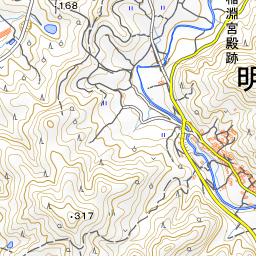
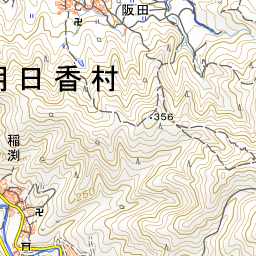
It is about a 17-minute walk from Kintetsu Asuka Station. About 260 meters to the west is Oni-no-Setchin, and about 440 meters to the northeast is Kame-ishi Stone. About 760 meters to the west is Saru-ishi Stone. About 500 meters to the south-southwest lies Nakaoyama Kofun Burial Mound, which also has an octagonal shape. Further south-southwest, about 710 meters away, is Takamatsuzuka Kofun Burial Mound. Kengoshizuka Kofun Burial Mound is about 1.4 kilometers to the west.
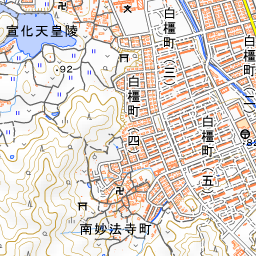
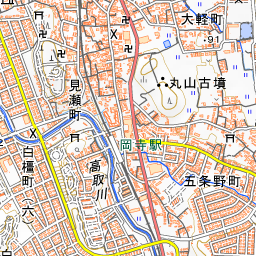
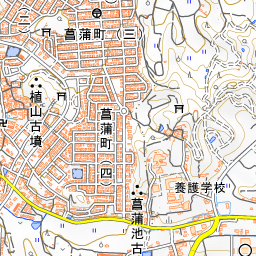

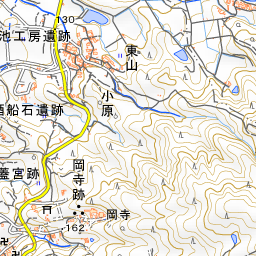
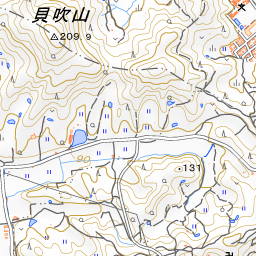
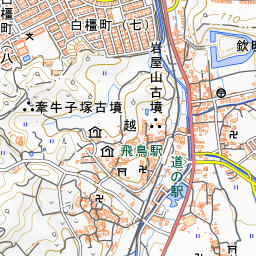
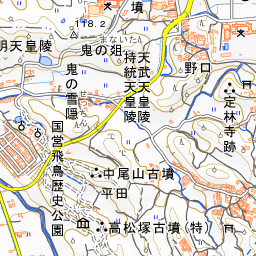
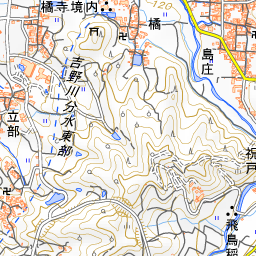
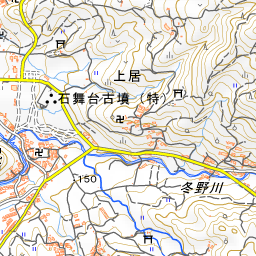
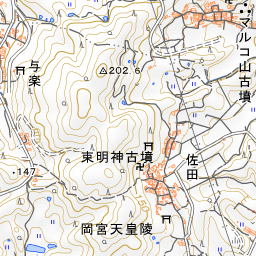
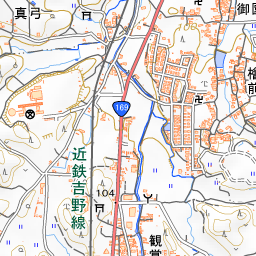
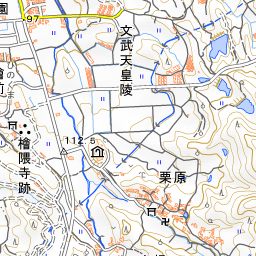
Spot location © OpenStreetMap contributors (ODbL)
Open in Google MapsGuides that include this spot (1)
Use asobot while you walk
- See where you are on the map and find spots nearby
- Listen to the guide's audio in course order, one after another (with subtitles)
- Walk to the next spot while following the map
Open on your phone
Scan to open this spot in asobot on your phone.