 ✨ AI Generated
Nogi-jinja Shrine
Japanese: 乃木神社
Minato City, Tokyo
This information was written by AI and may contain mistakes. Please check official sources for opening hours, fees, and other details before you go.
Found a mistake? Let us know with “✏️ Something's wrong” on this spot's screen in asobot →
🎧 Audio guide(1:09)
In short
Nogi-jinja Shrine is dedicated to General Nogi Maresuke of the Meiji period and his wife, Shizuko. Following their ritual suicide upon the death of Emperor Meiji, the shrine was established in 1923 next to the Nogi residence where they had lived. It was also at the time of Nogi Maresuke's funeral that the slope formerly known as Yureizaka was renamed "Nogizaka." In the adjacent Nogi Park, the residence that Nogi Maresuke designed himself still remains.
- Raijinboku: A camphor tree believed to have spared the main hall by taking the strike during a lightning strike in 1972.
- Shosho-jinja Shrine: An auxiliary shrine within the grounds dedicated to Tamaki Bunnoshin, whom Nogi Maresuke studied under, and Yoshida Shoin, whom he deeply revered.
- Former Nogi Residence and Stables: In the adjacent Nogi Park, a modest main house and stables built with bricks imported from Britain still stand.
History and Highlights
Nogi-jinja Shrine is dedicated to Nogi Maresuke and his wife, Shizuko. Born in the Chofu Domain, Nogi Maresuke was an army officer who rose to the rank of General in 1904. During the Russo-Japanese War, he took to the field as commander of the Third Army, which was organized to capture the fortress of Port Arthur (Lüshun). In 1907, he was appointed president of Gakushuin.
On September 13, 1912, the day of Emperor Meiji's state funeral, the couple took their own lives following the death of the sovereign. People across the nation visited the Nogi residence. At the same time as the funeral, the name of the slope called Yureizaka was changed to "Nogizaka." The Mayor of Tokyo at the time, Sakatani Yoshiro, and others founded the Chuo Nogi-kai, enshrining the spirits of the couple in a small shrine within the Nogi residence. Permission to establish the shrine was granted in 1919, and the enshrinement ceremony took place on November 1, 1923, on the land adjacent to the Nogi residence.
In the air raid of May 25, 1945, the shrine buildings, including the main hall, were entirely burned down. The current main hall (honden), hall of offerings (heiden), and hall of worship (haiden) were rebuilt on September 13, 1962, to coincide with the 50th-year memorial festival for the enshrined deities. The water ablution pavilion (chozuya) escaped war damage.
Points for Appreciation and Experiences
- Raijinboku: On the eve of the annual festival in 1972, lightning struck, and a tree fragment measuring about 3 meters flew over the roof of the corridor and landed inside the hall of worship without damaging anything. This camphor tree is believed to have taken the strike on behalf of the copper-roofed main hall.
- Shrine within the Grounds and Chinese Pistache: Shosho-jinja Shrine enshrines Tamaki Bunnoshin, who was Nogi Maresuke's teacher, and Yoshida Shoin, whom he revered. Its spiritual division was received from Shoin-jinja Shrine in Hagi. The Chinese pistache tree (Pistacia chinensis) belongs to a lineage cultivated from seeds brought back from the grave of Confucius and is said to have been dedicated and planted in 1926.
- Treasure Hall: Exhibited items include a plaster statue of Nogi Maresuke restored in commemoration of the 90th anniversary of the shrine's enshrinement, along with the sword used in his suicide, his will, medals, and Chinese-style poetry (kanshi).
Tips for Exploring
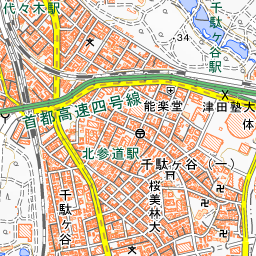
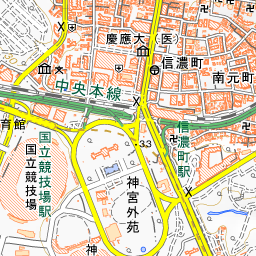
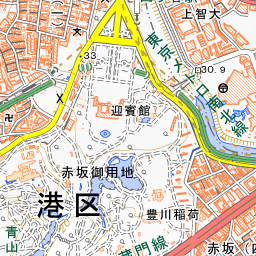
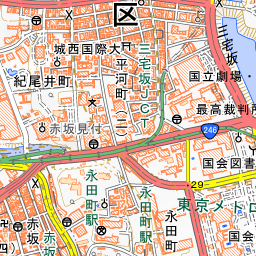
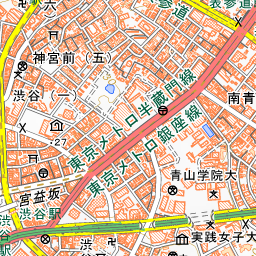
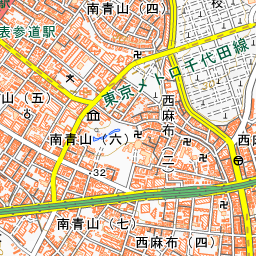
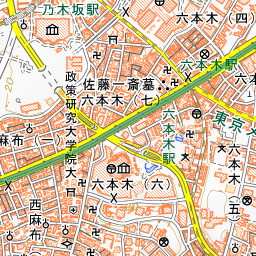
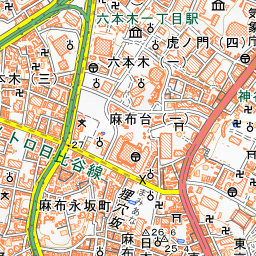
The shrine is 15 meters from Exit 1 of Nogizaka Station on the Tokyo Metro Chiyoda Line. After worshiping, take a walk to the adjacent Nogi Park. Nogi Park was opened in 1913 on the estate grounds that were donated to the City of Tokyo in accordance with Nogi Maresuke's final wishes. The main house of the former Nogi residence was rebuilt in 1902 and was designed by Nogi Maresuke himself based on French army barracks he had sketched while studying in Germany. It features a modest, sturdy, and practical design. The interior of the residence is open to the public on limited days; visitors usually view it from the observation deck surrounding the main house. The stables, built earlier than the main house, were constructed with bricks imported from Britain. The National Art Center, Tokyo is about 390 meters to the south, and Tokyo Midtown is about 410 meters to the southeast.


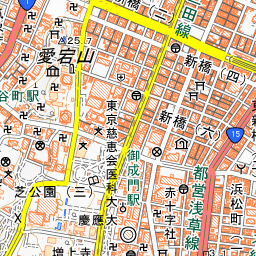
Spot location © OpenStreetMap contributors (ODbL)
Open in Google MapsUse asobot while you walk
- See where you are on the map and find spots nearby
- Listen to the guide's audio in course order, one after another (with subtitles)
- Walk to the next spot while following the map
Open on your phone
Scan to open this spot in asobot on your phone.