 ✨ AI Generated
Zuto Pagoda
Japanese: 頭塔
Nara City, Nara
This information was written by AI and may contain mistakes. Please check official sources for opening hours, fees, and other details before you go.
Found a mistake? Let us know with “✏️ Something's wrong” on this spot's screen in asobot →
🎧 Audio guide(1:03)
In short
Zuto Pagoda is an earthen pagoda believed to have been built in 767 during the Nara period by the Todai-ji Temple monk Jitchu. Square earthen tiers are stacked like a pyramid, with stone Buddhas placed on all four sides. It is a National Historic Site, and 22 of the stone Buddhas are designated as National Important Cultural Properties under the name "Zuto Stone Buddhas."
- Seven-tiered earthen pagoda: Seven earthen tiers are stacked on a base that measures 32 meters on each side, with a height of about 10 meters from the foot of the base to the top.
- Zuto Stone Buddhas: Stone Buddhas carved into granite are housed on each of the north, south, east, and west faces of the odd-numbered tiers. Many are carved in relief.
- Legend of the name: It is called by this name based on a legend that it is a tomb where the head of the Nara-period monk Genbo was buried. Originally, it was a "doto" (earthen pagoda), a type of Buddhist pagoda.
History and Highlights
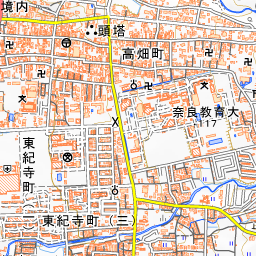
Zuto Pagoda is a square earthen pagoda located to the west of Shin-Yakushi-ji Temple. Based on records such as the Todai-ji Yoroku, it is considered to be an earthen pagoda built in 767 (the first year of the Jingo-keiun era) by Jitchu of Todai-ji Temple. Jitchu is the monk who began the Shuni-e ceremony at Nigatsu-do Hall of Todai-ji Temple.
The origin of the name comes from a legend that it is a tomb where the head of the Nara-period monk Genbo was buried. A story spread that Fujiwara no Hirotsugu became a vengeful spirit, cursed Genbo, tore his body apart, and his head fell in Nara. However, it is originally an earthen pagoda, a type of Buddhist pagoda, and the story of burying his head is merely a legend. It is believed that the name "doto" became corrupted into "Zuto" and was subsequently linked to Genbo.
Its shape is extremely similar to the earthen pagoda at Ono-dera Temple in Sakai City, Osaka Prefecture. It was designated as a National Historic Site in 1922. In 1985 and 1989, excavation surveys of the northern half were conducted to restore the historic site. As a result, it was found that square earthen tiers were constructed on a hill by pounding earth, with natural andesite stones stacked on the exterior.
Viewing and Experience Points
- Stacking of the tiers: Seven earthen tiers are stacked on a base measuring 32 meters on each side and 1.2 meters high. The first tier measures 24.2 meters on each side and decreases by 3 meters with each ascending tier, while the topmost tier measures 6.2 meters on each side. The height of the tiers is 1.1 meters for the odd-numbered tiers and 0.6 meters for the even-numbered tiers.
- Stone Buddhas: On each of the east, west, south, and north faces of the odd-numbered tiers, there are niches housing stone Buddhas carved in granite. Many are in relief, though some are incised with lines. Traces of paint remain on some of them, and it is believed that some Buddhas may also have been depicted as paintings. There are also stone Buddhas depicting the Pure Land of the Nyorai (Tathagata) and scenes from the life of Shakyamuni.
- Connection to Todai-ji Temple: Roof tiles unearthed here are identical to those of Todai-ji Temple, indicating that Zuto Pagoda was deeply connected with Todai-ji Temple.
Walking Tips
It is just a short walk from the Wariishicho bus stop. Because the stone Buddhas are small relief carvings, take a close look at each tier to search for the faces and forms of the Buddhas.
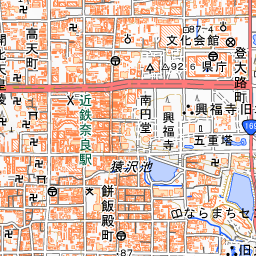
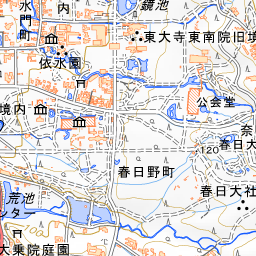
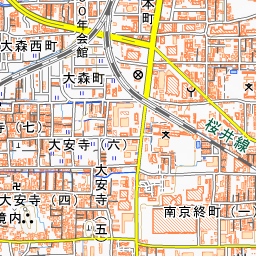
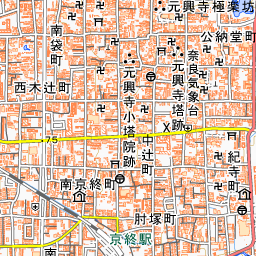
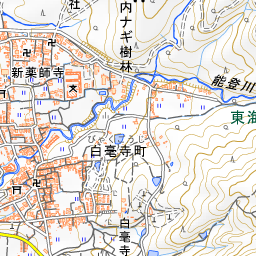
Ukimi-do Hall is located about 320 meters to the north, and Nara Hotel is about 510 meters to the west-northwest. Shin-Yakushi-ji Temple is located about 660 meters to the east-southeast.

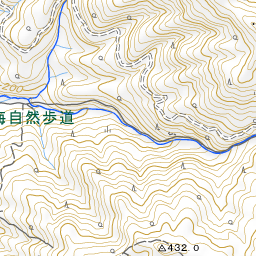
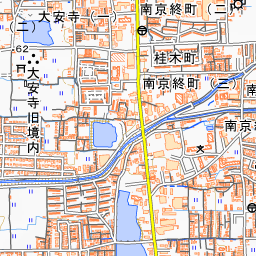
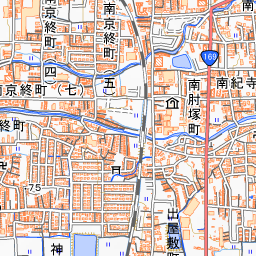
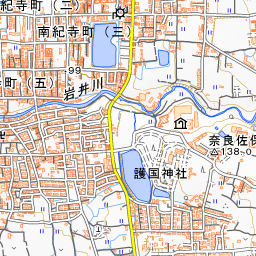
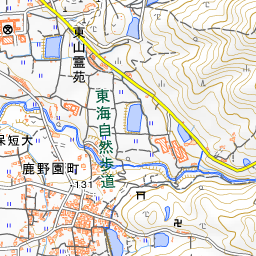
Spot location © OpenStreetMap contributors (ODbL)
Open in Google MapsUse asobot while you walk
- See where you are on the map and find spots nearby
- Listen to the guide's audio in course order, one after another (with subtitles)
- Walk to the next spot while following the map
Open on your phone
Scan to open this spot in asobot on your phone.