 ✨ AI Generated
Koto City Fukagawa Edo Museum
Japanese: 江東区深川江戸資料館
Koto City, Tokyo
This information was written by AI and may contain mistakes. Please check official sources for opening hours, fees, and other details before you go.
Found a mistake? Let us know with “✏️ Something's wrong” on this spot's screen in asobot →
🎧 Audio guide(0:58)
In short
Koto City Fukagawa Edo Museum is a museum that recreates a full-scale townscape of Fukagawa Sagacho during the Tenpo era toward the end of the Edo period. It is known for its "hands-on" exhibits where visitors can actually step up into shops and row houses (nagaya) and touch everyday household items. A day in the town changes through sound and lighting effects. The museum opened in 1986.
- View from the top of the stairs: Upon entering the exhibition hall, you can first look out over the townscape with its fire watchtower from the top of the stairs.
- Life in the nagaya: Personal details such as family composition, occupation, and age are set for the residents, and daily tools matching each lifestyle are placed inside.
- A day in the town: A day's life in Fukagawa is condensed into about 15 minutes, depicted through sound and lighting.
History and Highlights
Koto City Fukagawa Edo Museum is a Koto City museum that opened in November 1986. Along with collecting and displaying materials related to the Edo period, it is equipped with a small theater and a recreation hall, serving as a gathering place for local residents.
The main highlight is the exhibition hall, which expands across a three-story open atrium from the first basement level to the second floor. It reproduces the townscape of Fukagawa Sagacho in the Tenpo era near the end of the Edo period at full scale. Along the main street stand large shops, white-walled storehouses (dozo), and funayado (boat-hire inns). A fire watchtower casts its shadow over the canal where small chokibune boats float. Stepping into an alleyway leads to the living quarters of the common people lined with row houses.
Located at the mouth of the Sumida River, Sagacho was an area easily accessible to large ships. Benefiting also from the water transport of the Onagi River, large wholesalers and warehouses stood side by side. The exhibition features "Tadaya," a large merchant store dealing in fertilizer. Funayado were originally establishments that picked up and dropped off customers who went on outings by boat. In the exhibit, they are represented by the steady "Masudaya" and the flamboyant "Sagamiya."
Tips for Viewing and Experiencing
- Overlooking from the top of the stairs: When entering the exhibition room, you can first look down on the townscape from atop the stairs. Going down, row houses, shops, the fire watchtower, and chokibune boats are laid out in actual size.
- Stepping inside the row houses: The family composition, profession, and age of the residents in each nagaya have been determined in detail, with items arranged to suit their lifestyles. In the home of a lumber sawyer (kobiki) from Kiba, visitors can see large saws (oga), timber hooks (tobiguchi), carpentry tools, and hakozen (meal boxes) for a couple. There is also a shared space for the residents featuring a well, a communal toilet, and an Inari shrine.
- A day in the town and the four seasons: A day in the life of Fukagawa is condensed into roughly 15 minutes and portrayed with acoustics and lighting. Seasonal scenes of the town, such as Tanabata and moon-viewing decorations, can also be enjoyed through the exhibits.
Tips for Walking Around
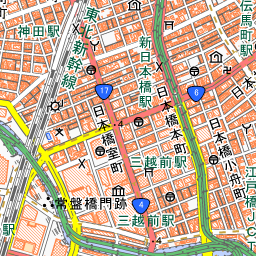
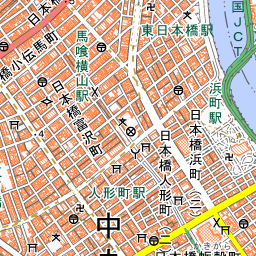
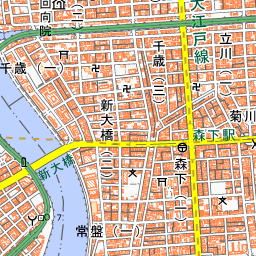
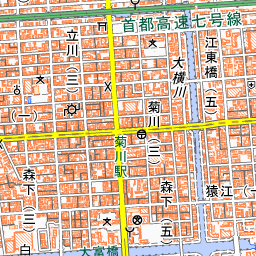
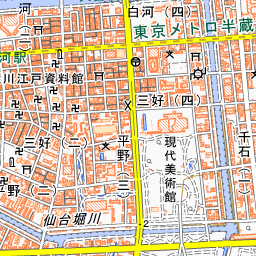
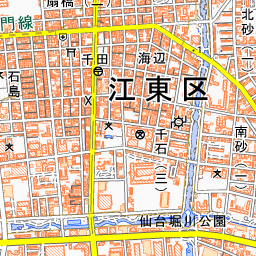
The museum is a 3-minute walk from Exit A3 of Kiyosumi-Shirakawa Station on the Toei Oedo Line and the Tokyo Metro Hanzomon Line. In the open space beneath the fire watchtower, take a look at the mizujaya (tea stall, the equivalent of modern-day coffee shops), the tokomise (temporary stall) serving tempura, and the nihachi soba stall. Inside the building, there is also a corner exhibiting memorabilia related to Yokozuna Taiho, who lived in Koto City for many years. Approximately 280 meters to the southwest is Kiyosumi Gardens, and about 760 meters to the east is the Museum of Contemporary Art Tokyo. Roughly 900 meters to the south lies Fukagawa Fudoson Temple, and about 1.1 kilometers away is Tomioka Hachimangu Shrine.

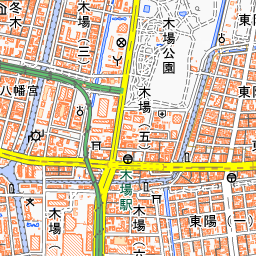
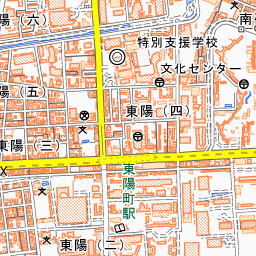
Spot location © OpenStreetMap contributors (ODbL)
Open in Google MapsGuides that include this spot (1)
Use asobot while you walk
- See where you are on the map and find spots nearby
- Listen to the guide's audio in course order, one after another (with subtitles)
- Walk to the next spot while following the map
Open on your phone
Scan to open this spot in asobot on your phone.