 ✨ AI Generated
Mt. Yoshino
Japanese: 吉野山
Yoshino Town, Nara
This information was written by AI and may contain mistakes. Please check official sources for opening hours, fees, and other details before you go.
Found a mistake? Let us know with “✏️ Something's wrong” on this spot's screen in asobot →
🎧 Audio guide(1:09)
In short
Mt. Yoshino is the collective name for a mountain ridge that extends from the south bank of the Yoshino River into the Omine mountain range, and is one of Japan's representative cherry blossom viewing spots. Centering on Kinpusen-ji Temple, the primary training ground of Shugendo (mountain asceticism), it was registered as part of a World Heritage Site in 2004 under the "Sacred Sites and Pilgrimage Routes in the Kii Mountain Range." This spot is situated around Yoshinoyama Station on the Yoshino Ropeway, which marks the entrance to the mountain.
- Approximately 30,000 Cherry Trees: Centering on the white mountain cherry (Shiroyamazakura), approximately 30,000 cherry trees of about 200 varieties bloom progressively from the foot of the mountain upwards.
- Considered Japan's Oldest Ropeway: Opened in 1929, this ropeway connects Senbonguchi Station at the base with Yoshinoyama Station in about 3 minutes.
- A Land of the Southern Court and Yoshitsune: This is a historic site associated with the Southern Court established by Emperor Go-Daigo, and is also where Minamoto no Yoshitsune once sought refuge.
History and Highlights
Mt. Yoshino is the collective name for the mountain ridge that stretches from the south bank of the Yoshino River toward the Omine mountain range. Temples and shrines are dotted around Kinpusen-ji Temple, the head training site of Shugendo. It was designated a national Historic Site and Place of Scenic Beauty in 1924, and in 2004, it was registered as part of the World Heritage Site "Sacred Sites and Pilgrimage Routes in the Kii Mountain Range."
There is a history of religious faith behind the cherry blossoms of Yoshino. It is said that En no Gyoja, the founder of Shugendo, carved the image of Zao Gongen that he perceived into the wood of a cherry tree. For this reason, cherry trees have been protected as sacred trees in Yoshino. Believers contributed cherry trees and continued to plant them across the mountain. Today, approximately 30,000 cherry trees of around 200 varieties, primarily Shiroyamazakura, cover the mountain. Several poems composed about the cherry blossoms of Yoshino are also included in the Heian-period anthology Kokin Wakashu.
Mt. Yoshino has also served as a stage for history. It was a place where Minamoto no Yoshitsune took temporary shelter, as well as an old historic site of the Southern Court founded by Emperor Go-Daigo. In 1594, Toyotomi Hideyoshi visited accompanied by a total of 5,000 retainers and held a grand cherry blossom viewing banquet.
Located at the entrance to the mountain is the Yoshino Ropeway. Opened on March 12, 1929, it links Senbonguchi Station at the base with Yoshinoyama Station at the top over a distance of 349 meters in about 3 minutes. The operating company describes it as "the oldest ropeway in Japan." It is still operated manually today and was certified as a Mechanical Engineering Heritage site in 2012.
Viewing and Experience Points
- A Station Surrounded by the Cherry Blossoms of Shimo-Senbon: The area around Yoshinoyama Station is enclosed by the cherry blossoms of Shimo-Senbon. In spring, the passenger cars ascending from the foot appear to make their way right through the midst of the cherry trees.
- Cherry Blossoms Blooming in Succession: From the foot upwards, the cherries are referred to in order as Shimo-Senbon, Naka-Senbon, Kami-Senbon, and Oku-Senbon. Beginning in early April, they bloom in sequence in response to rising temperatures on the mountain. Because of the difference in elevation, cherry blossoms can be enjoyed somewhere on the mountain for nearly three weeks.
- Fresh Greenery and Autumn Foliage: Along with cherry blossoms, Mt. Yoshino also possesses a distinct charm during the fresh green season and autumn foliage. There are many Japanese maple trees in front of Senbonguchi Station, which turn bright red in autumn.
Travel Tips
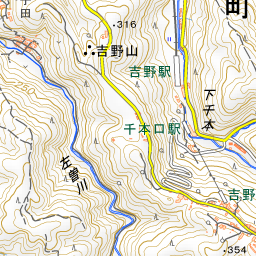
Senbonguchi Station of the ropeway is reached in just under a 3-minute walk from Kintetsu Yoshino Station. The ropeway is suspended on certain days of the week, with replacement buses running instead; please check the operating schedule on the operating company's announcements. From Yoshinoyama Station, it takes about 10 minutes on foot to the Zaodo Hall of Kinpusen-ji Temple. Up on the mountain, you can visit Yoshimizu-jinja Shrine and Nyoirin-ji Temple in Naka-Senbon, Yoshino Mikumari-jinja Shrine in Kami-Senbon, and Kinpu-jinja Shrine in Oku-Senbon. Near the parking area in Shimo-Senbon, there is an observation platform called "Onodachi-ato." It was named because Empress Dowager Shoken, the empress consort of Emperor Meiji, viewed the cherry blossoms from here.
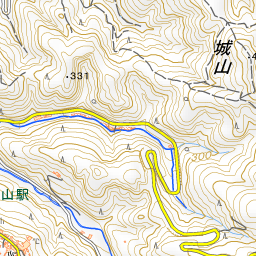
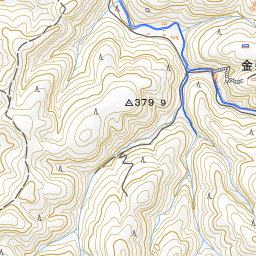
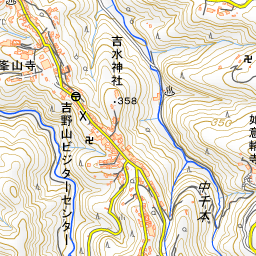
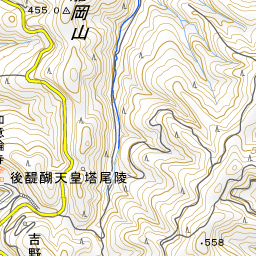
Spot location © OpenStreetMap contributors (ODbL)
Open in Google MapsGuides that include this spot (1)
Use asobot while you walk
- See where you are on the map and find spots nearby
- Listen to the guide's audio in course order, one after another (with subtitles)
- Walk to the next spot while following the map
Open on your phone
Scan to open this spot in asobot on your phone.