 ✨ AI Generated
Minamijima Island
Japanese: 南島
Ogasawara Village, Tokyo
This information was written by AI and may contain mistakes. Please check official sources for opening hours, fees, and other details before you go.
Found a mistake? Let us know with “✏️ Something's wrong” on this spot's screen in asobot →
🎧 Audio guide(1:03)
In short
Minamijima Island is an uninhabited island floating approximately 900 meters off the southwest coast of Chichijima Island. Its submerged karst topography, formed when limestone landforms sank into the sea, is designated as a national Natural Monument. Numerous fossils of Hirobeso katamaimai, an extinct land snail from 1,000 to 2,000 years ago, remain in the island's sand dunes. Landing on the island requires the accompaniment of a nature guide, and visitors cross over by boat or kayak.
- Ogiike Pool: A sandy beach spreads across a hollow connected to the open sea by a natural bridge
- Lapiez: The island is covered in sharply pointed limestone landforms
- Restored Vegetation: The island's vegetation, once ravaged by feral goats and other factors, has significantly recovered thanks to usage rules and vegetation restoration efforts
History and Highlights
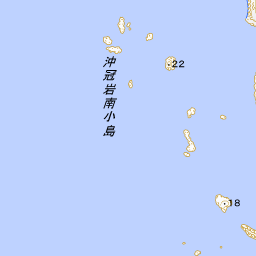
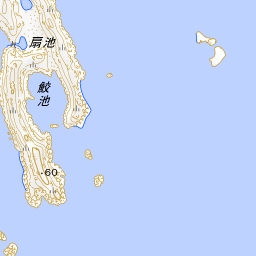
Minamijima Island is an uninhabited island situated roughly 900 meters southwest of Chichijima Island. It has an area of 0.34 square kilometers and is an elongated island extending about 1.6 kilometers north to south and roughly 0.4 kilometers east to west.
The main highlight of this island is its topography sculpted from limestone. Landforms created by limestone erosion that subsequently sank into the ocean due to rising sea levels are known as "submerged karst topography." The area around Minamijima Island is dotted with limestone islets and reefs, creating a unique landscape. This topography was designated as a national Natural Monument in March 2008. The island is blanketed by sharply pointed limestone formations known as "lapiez." Ogiike Pool, situated in the center of the island, is a spot where a sandy beach formed inside a "doline" (a depression) that connects to the open sea via a natural rock bridge.
Minamijima Island is also an island where endemic plants thrive and seabirds breed. However, from the 1950s until 1971, feral goats settled here, grazing on and trampling vegetation, leaving the ground bare. In the 1970s, uncontrolled tourism also caused red soil to wash into the sea. Consequently, in 2001, the Ogasawara Village Tourism Association and Ogasawara Village established voluntary rules. On September 30, 2002, the Tokyo Metropolitan Government and Ogasawara Village established "Rules for Proper Use," which came into effect in April 2003. The once-devastated vegetation has substantially recovered, and many endemic plants can now be seen. Seabirds such as the wedge-tailed shearwater are also increasing.
Highlights to See and Experience
- Sandy Beach of Ogiike Pool: On the beach of Ogiike Pool, you can also see beachrock, which is stone formed from solidified sand. During the sea turtle nesting season, footprints left by turtles that have come ashore to lay eggs can be seen.
- Hirobeso Katamaimai Fossils: Numerous fossils of the Hirobeso katamaimai snail, which went extinct 1,000 to 2,000 years ago, can be found in the island's sand dunes. Because the island's landform is designated as a national Natural Monument, taking the fossils away is prohibited.
- Endemic Plants and Seabirds: Ohama-bossu and the Ogasawara thistle are representative endemic plants of Minamijima Island. Representative seabirds include the wedge-tailed shearwater, Bulwer's petrel, and brown booby.
Tips for Visitors
Visitors cross to Minamijima Island by boat or kayak. Landing requires the accompaniment of a Tokyo Nature Guide. One guide may escort up to 15 people, and entering areas outside the designated walking routes is not permitted. Stones are laid along the paths to reduce areas where soil becomes exposed from being trodden on. The rules also require you not to bring in alien species and not to startle the animals. Note that the upper limits on the daily number of visitors and usage duration, as well as the annual three-month ban on landing, were abolished in June 2023. If not landing, you can view the islands around Minamijima Island from Nakayama Pass on Chichijima Island.






Guides that include this spot (1)
Use asobot while you walk
- See where you are on the map and find spots nearby
- Listen to the guide's audio in course order, one after another (with subtitles)
- Walk to the next spot while following the map
Open on your phone
Scan to open this spot in asobot on your phone.