 ✨ AI Generated
Omiya Hachimangu Shrine
Japanese: 大宮八幡宮
Suginami City, Tokyo
This information was written by AI and may contain mistakes. Please check official sources for opening hours, fees, and other details before you go.
Found a mistake? Let us know with “✏️ Something's wrong” on this spot's screen in asobot →
🎧 Audio guide(1:08)
In short
Omiya Hachimangu Shrine is a Hachiman shrine in Omiya, Suginami Ward, said to have been founded in 1063 (Kohei 6) by Minamoto no Yoriyoshi. It enshrines the parent-and-child triad of Emperor Ojin and his parents, attracting worshippers seeking safe childbirth, child-rearing blessings, and protection from misfortune. In the past, it was known as the "Omiya of Tama," one of the three great shrines of Musashi Province.
- Legend of the White Clouds: A founding tale tells of eight trails of white clouds drifting across the sky, which appeared like the white banners of the Minamoto clan.
- Spacious Sacred Forest: The broad sacred grounds gave rise to the place name "Omiya," and the current shrine precinct still covers 15,000 tsubo.
- Trees in the Precincts: Notable sights include the Meoto Icho (married couple ginkgo) trees by the Shinmon gate and the "Tomoiki-no-Ki Tree," where two different trees are joined by a single trunk.
History and Highlights
Omiya Hachimangu Shrine is affectionately known as "the belly button of Tokyo" and "the Hachiman of child-rearing and warding off evil."
According to the shrine's tradition, the Early Nine Years' War broke out in Oshu during the Tengi era of the Heian period. As the army of Minamoto no Yoriyoshi marched through this area to quell the uprising, eight streaks of white clouds drifted across the sky, resembling the fluttering white banners of the Minamoto clan. Rejoicing at this sign of protection from the great deity Hachiman, Yoriyoshi vowed to erect a shrine here once the rebellion was suppressed. On his return journey after pacifying Oshu, in 1063 (Kohei 6), he is said to have transferred a divided spirit from Iwashimizu Hachimangu Shrine in Kyoto and founded the shrine. It is also said that Yoriyoshi's son, Hachiman Taro Yoshiie, repaired the shrine buildings after the Later Three Years' War and planted 1,000 young pine saplings within the precinct.
It was historically called the "Omiya of Tama," one of the three great shrines of Musashi Province. The local place name "Omiya" (meaning "grand shrine") originated from these vast sacred grounds. Today, the grounds still span 15,000 tsubo. In 1969 (Showa 44), traces of Yayoi-period ritual sites were discovered on former shrine land extending north of the current grounds, indicating that this area has been a sacred sanctuary since ancient times.
The enshrined deities are Emperor Ojin, his father Emperor Chuai, and his mother Empress Jingu. Due to the deep bond of these three deities as parents and child, faith in marriage, safe childbirth, and child-rearing flourishes here. The legend of the white clouds also inspires worship for warding off evil and bringing good fortune.
Viewing and Experiencing Highlights
- The Main Sanctuary and Meoto Icho: Directly across from the Shinmon gate stands the shrine pavilion built entirely of Japanese cypress. Built to commemorate the 900th anniversary of the shrine's founding, it was completed in 1965 (Showa 40). Standing tall on both sides of the Shinmon gate are the Meoto Icho (married couple ginkgo) trees, symbols of marital harmony. Look up at them as you exit the gate.
- Tomoiki-no-Ki Tree: Read as "Tomoiki-no-Ki." This sacred tree features an inuzakura (dog cherry) growing parasitically on a kaya (Japanese nutmeg-yew), with the two distinct trees joined into a single trunk, living on together.
- Chikaraishi (Strength Stones) and Yoshiie's Pine: The chikaraishi are stones that young men from nearby villages used to test their strength during the Meiji and Taisho eras; the largest weighs 50 kan (187 kilograms). The pine tree said to have been planted by Yoshiie withered, and a second-generation pine has been planted on its stump.
Walking Tips
From the first torii gate on the Omotesando, a paved stone approach stretches about 250 meters to the sanctuary. Cherry branches reach overhead. In front of the sanctuary stands a linden tree that produces small, pale yellow flowers in mid-June. Within the grounds, sacred water still springs forth at Tama Shimizu Shrine.
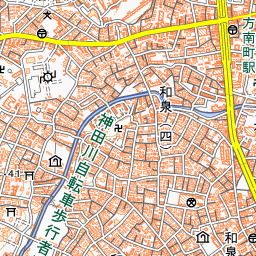
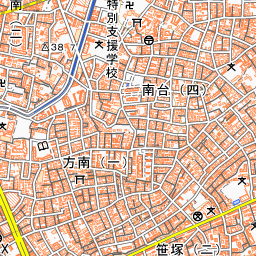
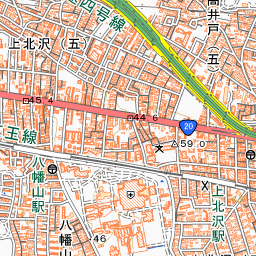
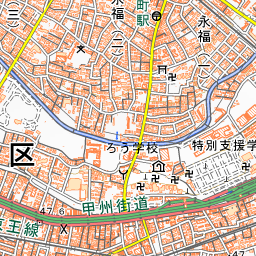
The nearest station is Nishi-Eifuku Station on the Keio Inokashira Line, a 7-minute walk away. It is a 10-minute walk from Eifukucho Station. The perimeter of the shrine grounds connects with the Wadabori Park area.
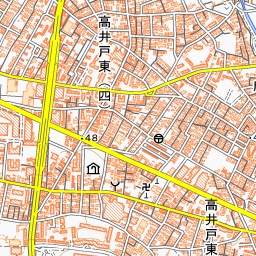
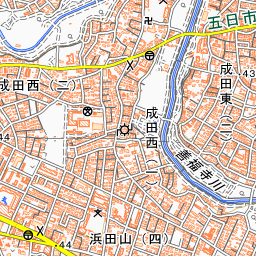
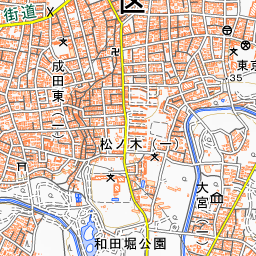
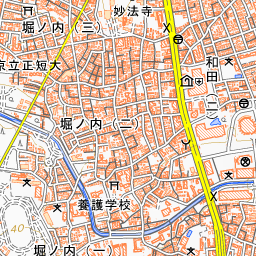
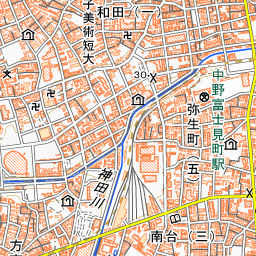
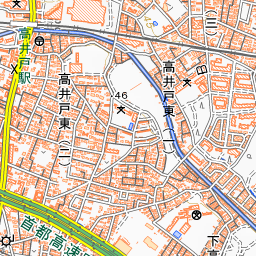
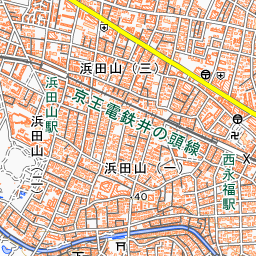
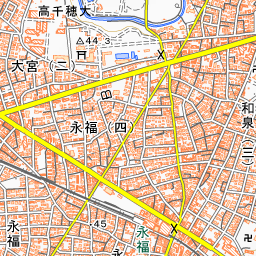

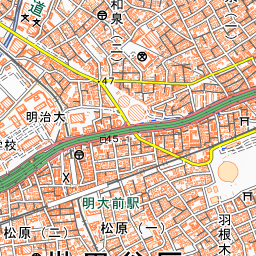
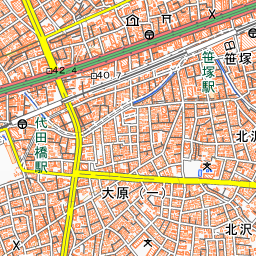
Spot location © OpenStreetMap contributors (ODbL)
Open in Google MapsGuides that include this spot (1)
Use asobot while you walk
- See where you are on the map and find spots nearby
- Listen to the guide's audio in course order, one after another (with subtitles)
- Walk to the next spot while following the map
Open on your phone
Scan to open this spot in asobot on your phone.