 ✨ AI Generated
Otokuni-dera Temple
Japanese: 乙訓寺
Nagaokakyo, Kyoto
This information was written by AI and may contain mistakes. Please check official sources for opening hours, fees, and other details before you go.
Found a mistake? Let us know with “✏️ Something's wrong” on this spot's screen in asobot →
🎧 Audio guide(1:05)
In short
A temple in Imazato, Nagaokakyo City, bearing the mountain name Daijisan. It was founded around the same time as Koryu-ji Temple, which is considered the oldest in Kyoto, and it is said that in 784 (Enryaku 3), when Emperor Kanmu moved the capital to this region of Otokuni, the temple underwent major expansions as the foremost of the Seven Great Temples within the capital.
- Eleven-Faced Kannon Created in a Single Day: The standing statue of the Eleven-Faced Kannon, an Important Cultural Property, was revealed to be an "ichinichi zoritsubutsu" (a Buddha statue created in a single day) based on writings in old documents discovered inside the statue. It is thought to have been prepared on July 17, 1268 (Bun'ei 5), and finished all at once on the 18th
- Rare Principal Image and Bishamonten: The principal image, "Hachiman Kobo Gattai Daishi," is a statue that, according to temple tradition, Kukai and Hachiman Daibosatsu worked together to complete; it is unveiled only once every 33 years. The standing statue of Bishamonten, an Important Cultural Property, is a rare figure with a deeply sorrowful facial expression
- Peonies on the Grounds: There are approximately 1,000 peony plants on the temple grounds. This began in 1940 with peonies gifted from Hasedera Temple in Nara Prefecture, and they reach full bloom in April
History and Highlights
Otokuni-dera Temple is a temple located in Imazato, Nagaokakyo City, bearing the mountain name Daijisan. Founded around the same time as Koryu-ji Temple, which is considered the oldest in Kyoto, temple tradition holds that it was opened by Prince Shotoku following an imperial wish of Empress Suiko. In 784 (Enryaku 3), when Emperor Kanmu moved the capital to this region of Otokuni, it is said that the temple underwent major expansions as the foremost of the Seven Great Temples within the capital.
The following year, in 785 (Enryaku 4), Emperor Kanmu's younger brother, Prince Sawara, was confined at this temple on suspicion of involvement in the assassination of Fujiwara no Tanetsugu, the commissioner for the construction of Nagaoka Palace. The prince died while being exiled to Awaji Island. It is also said that the capital was relocated to Heian-kyo after just ten years out of fear of the prince's curse.
In 811 (Konin 2), records show that Kukai was appointed as the betto (head administrator) by Emperor Saga, and the following year Saicho visited to engage in discussions with Kukai about Esoteric Buddhism. Although the temple is said to have fallen into decline after being burned during the warfare of Oda Nobunaga during the Sengoku period, it was revived in 1695 (Genroku 8) during the Edo period through donations from Shogun Tokugawa Tsunayoshi and his mother Keishoin, which is why the hollyhock crest is found on the roof of the main hall. The guest hall was constructed after the enthronement ceremonies of Emperor Showa in 1928 (Showa 3), using the wooden fences and materials transferred from the Daijokyu.
Viewing and Experience Highlights
- Rare Principal Image and Bishamonten: According to temple tradition, the principal image, "Hachiman Kobo Gattai Daishi," was sculpted together by Kukai and Hachiman Daibosatsu, who appeared in the form of an elderly man while Kukai was carving a statue of Hachiman Daibosatsu; it is unveiled only once every 33 years. The standing statue of Bishamonten, an Important Cultural Property, dates to the Heian period and is a rare figure noted for its deeply sorrowful facial expression.
- Eleven-Faced Kannon Created in a Single Day: The standing statue of the Eleven-Faced Kannon, an Important Cultural Property, was revealed to be an "ichinichi zoritsubutsu" (a Buddha statue created in a single day) based on inscriptions from ancient documents discovered inside the statue. It is thought to have been prepared on July 17, 1268 (Bun'ei 5), and finished all at once on July 18. While the face is finely carved, rough chisel marks remain on the body.
- Peonies on the Grounds: There are approximately 1,000 peony plants on the temple grounds. This tradition began in 1940, when peonies were gifted from Hasedera Temple in Nara Prefecture to aid the recovery of the temple after it suffered typhoon damage, and they reach full bloom in April.
Walking Tips
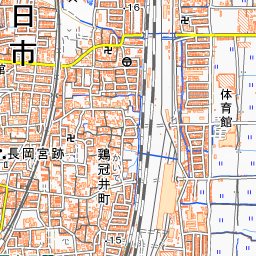
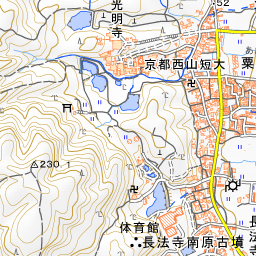
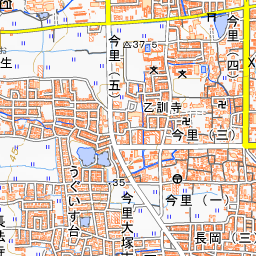
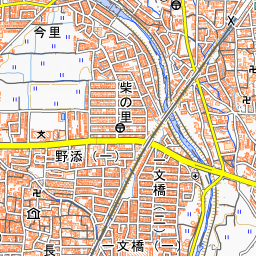
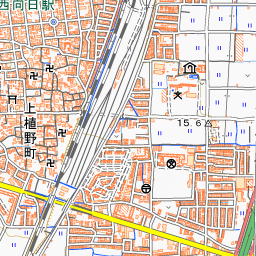
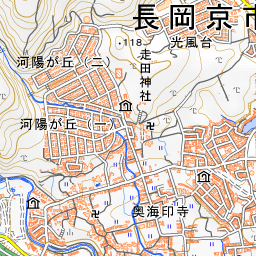
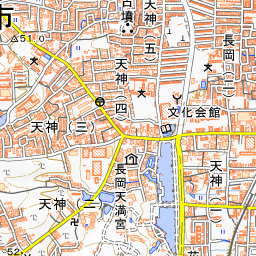
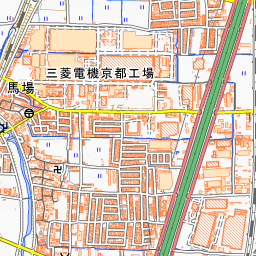
It is about a 5-minute walk from the "Yakushido" Hankyu bus stop. Following the approach path, you will find a hall enshrining Higiri Jizo-son, around which stand a memorial tower for Prince Sawara and a thirteen-story stone pagoda. About 1.2 kilometers to the west-northwest is Komyo-ji Temple, and about 1.5 kilometers to the south is Nagaoka Tenmangu Shrine.

Use asobot while you walk
- See where you are on the map and find spots nearby
- Listen to the guide's audio in course order, one after another (with subtitles)
- Walk to the next spot while following the map
Open on your phone
Scan to open this spot in asobot on your phone.