 ✨ AI Generated
Daigo-ji Temple
Japanese: 醍醐寺
Fushimi Ward, Kyoto
This information was written by AI and may contain mistakes. Please check official sources for opening hours, fees, and other details before you go.
Found a mistake? Let us know with “✏️ Something's wrong” on this spot's screen in asobot →
🎧 Audio guide(1:03)
In short
The head temple of the Daigo branch of the Shingon sect. It is said to have begun in 874 (Jogan 16), when Rigen Daishi Shobo climbed Mount Kasatori and carved and enshrined statues of both Juntei Kannon and Nyoirin Kannon. Its grand temple complex spans Kami-Daigo around the summit and Shimo-Daigo at the mountain base, and it is registered as a World Cultural Heritage site as part of the "Historic Monuments of Ancient Kyoto."
- National Treasure Five-story Pagoda: Completed in 951 (Tenryaku 5), it is the oldest wooden structure in Kyoto Prefecture. It stands approximately 38 meters tall, and the murals inside the first story are also designated as National Treasures separately from the structure itself
- Kondo Hall and Benten-do Hall: Kondo Hall (National Treasure), the central hall of Shimo-Daigo, houses the principal image, a seated statue of Yakushi Nyorai. The vermilion-lacquered Benten-do Hall is beloved as a famous spot for autumn foliage
- Reihokan Museum and Kami-Daigo: Many of the temple's treasures, which number more than 75,000 counting National Treasures and Important Cultural Properties alone, are housed in the Reihokan Museum. Kami-Daigo is home to the National Treasures Yakushi-do Hall and Seiryu-gu Haiden (Worship Hall)
History and Highlights
Daigo-ji Temple is the head temple of the Daigo branch of the Shingon sect. Its history is said to have begun in the 16th year of Jogan (874), when Rigen Daishi Shobo climbed Mount Kasatori (Mount Daigo), received the mountain from the local deity Yokoo Myojin, and carved and enshrined statues of both Juntei Kannon and Nyoirin Kannon. According to the temple's legends, an elderly man who drank spring water in the valley remarked, "Ah, what a true taste of Daigo (daigomi)", and this water, called Daigo-sui, continues to well up to this day.
Subsequently, through the deep devotion of the three consecutive emperors Daigo, Suzaku, and Murakami, Yakushi-do Hall and Godai-do Hall were built on the upper part of the mountain, while Shaka-do Hall and the Five-story Pagoda were erected at the foot, establishing a grand temple complex spanning Kami-Daigo around the summit and Shimo-Daigo at the mountain base. In the Momoyama period, Gien Jugo received the devotion of Toyotomi Hideyoshi, leading to the revitalization of the entire mountain temple complex, marked by the famous "Cherry Blossom Viewing at Daigo" in the 3rd year of Keicho (1598). The temple precincts cover approximately 2 million tsubo (around 6.6 million square meters) and were registered as a World Cultural Heritage site as part of the "Historic Monuments of Ancient Kyoto" in the 6th year of Heisei (1994).
Points for Viewing and Experiencing
- Five-story Pagoda: Commissioned by Emperor Suzaku to pray for the peaceful rest of Emperor Daigo and completed in the 5th year of Tenryaku (951) during the reign of Emperor Murakami, this National Treasure pagoda is the oldest wooden structure in Kyoto Prefecture. It stands approximately 38 meters tall, with the finial (sorin) on the roof measuring about 13 meters, occupying roughly one-third of the pagoda's total height. The murals of the Mandala of the Two Realms and the Eight Patriarchs of Shingon painted inside the first story are also designated as National Treasures separately from the structure itself.
- Kondo Hall and Benten-do Hall: Kondo Hall (National Treasure), the central hall of Shimo-Daigo, was planned for relocation from Yuasa in Kishu by order of Toyotomi Hideyoshi and completed in the 5th year of Keicho (1600) during the era of Hideyori. It houses the seated statue of Yakushi Nyorai, the principal image of Daigo-ji Temple. Further in, the vermilion-lacquered Benten-do Hall harmonizes beautifully with the surface of the pond and is beloved as a famous spot for autumn foliage.
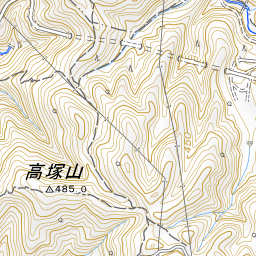
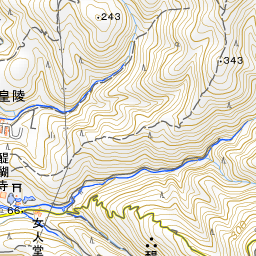
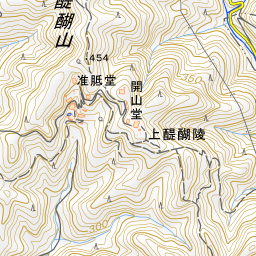
- Reihokan Museum and Kami-Daigo: Many of the temple's more than 75,000 treasures that are National Treasures or Important Cultural Properties alone are housed in the Reihokan Museum and exhibited successively. Kami-Daigo is reached by climbing a steep mountain path from the trailhead at Nyonin-do Hall for nearly an hour. Scattered on the mountain summit are the National Treasures of Yakushi-do Hall and Seiryu-gu Haiden (Worship Hall), alongside Important Cultural Properties such as Kaisan-do Hall and Nyoirin-do Hall.
Walking Tips
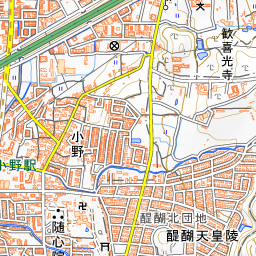
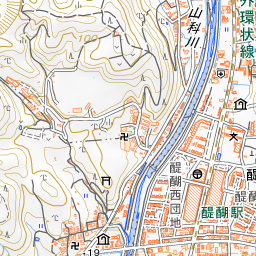
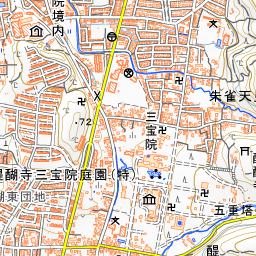
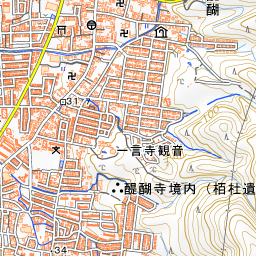
It is about a 10-minute walk from Daigo Station on the Subway Tozai Line. Entering through the Somon Gate and passing through Seidaimon Gate (Nio-mon Gate) seen directly ahead, the complex of Shimo-Daigo unfolds. Located within the same grounds, Sanbo-in Temple is known for its garden, the basic design of which was created by Hideyoshi himself for the cherry blossom viewing at Daigo, and is introduced as a separate spot. When climbing up to Kami-Daigo, be sure to allow plenty of time and wear comfortable walking shoes.
Guides that include this spot (1)
Use asobot while you walk
- See where you are on the map and find spots nearby
- Listen to the guide's audio in course order, one after another (with subtitles)
- Walk to the next spot while following the map
Open on your phone
Scan to open this spot in asobot on your phone.