 ✨ AI Generated
Himukai Daijingu Shrine
Japanese: 日向大神宮
Yamashina Ward, Kyoto
This information was written by AI and may contain mistakes. Please check official sources for opening hours, fees, and other details before you go.
Found a mistake? Let us know with “✏️ Something's wrong” on this spot's screen in asobot →
🎧 Audio guide(1:06)
In short
A shrine nestled on a mountainside in the eastern part of Kyoto. According to shrine tradition, it was founded during the reign of the 23rd Emperor, Emperor Kenzo, by transferring a sacred site from the peak of Takachiho in Himuka, Tsukushi, and the shrine's own guide describes it as the oldest shrine in Kyoto. Because it enshrines both an inner shrine (Naiku) and an outer shrine (Geku), it is renowned as the "Ise of Kyoto," and in the past, travelers journeying along the Tokaido road visited here to pray for safe travels or to offer surrogate worship for Ise Jingu Shrine.
- Naiku and Geku: The shrine pavilions are built in the shinmei-zukuri style. The Naiku (Inner Shrine) enshrines Amaterasu Omikami and other deities, and the Geku (Outer Shrine) enshrines Amatsuhiko Ho no Ninigi no Mikoto and Ame no Minakanushi no Kami
- Ame no Iwato: A rock with an opening just large enough for a single person to pass through. It is said that by first praying at Togakushi Shrine at its corner and then passing through the rock, one's sins and impurities are purified; this is popular as the "nuke-mairi" (pass-through pilgrimage) during Setsubun
- Asahi-no-izumi: A spring from which, according to legend, pure water was drawn and given to the people during an epidemic in the Jogan era under Emperor Seiwa, causing the illness to subside immediately. On New Year's Day, during the Wakamizu-sai festival, newly drawn water (wakamizu) from this spring is offered to both main shrines
History and Highlights
Himukai Daijingu Shrine is nestled on a mountainside in the eastern part of Kyoto. According to shrine tradition, it was founded during the reign of the 23rd Emperor, Emperor Kenzo, by transferring a sacred site from the peak of Takachiho in Himuka, Tsukushi, and the shrine's own records identify it as the oldest shrine in Kyoto. Later, Emperor Tenji donated sacred rice fields and named the mountain where it is enshrined Mount Hinomi. It is also said that Emperor Seiwa bestowed an imperial plaque bearing the name "Himukai-gu."
Although the shrine buildings were lost to fire during the Onin War, they were rebuilt by devoted benefactors, and during the reconstruction in 1614 (Keicho 19), Tokugawa Ieyasu restored the shrine's lost estates. The shrine pavilions are built in the shinmei-zukuri style and enshrine both an inner shrine (Naiku) and an outer shrine (Geku), earning it renown as the "Ise of Kyoto." In the past, travelers journeying along the Tokaido road visited here to pray for safe travels or to offer surrogate worship on behalf of those unable to make the pilgrimage to Ise Jingu Shrine. The area around the first torii gate at the shrine entrance corresponds to Awataguchi, one of the historic seven entrances of Kyoto, and is said to have bustled with teahouses seeing off and welcoming travelers.
Sights and Experiences
- Naiku and Geku: The Naiku (Inner Shrine) is also called Kami-no-hongu and enshrines Amaterasu Omikami and other deities. The Geku (Outer Shrine) is also called Shimo-no-hongu and enshrines Amatsuhiko Ho no Ninigi no Mikoto and Ame no Minakanushi no Kami.
- Ame no Iwato: A rock cave with an opening just large enough for a single person to pass through. It is said that by first praying at the nearby Togakushi Shrine and then passing through this cave, one's sins and impurities are purified; this is popular as the nuke-mairi (pass-through pilgrimage) during the Setsubun festival. To the left in front of the Naiku, near the entrance of the path leading toward Ame no Iwato, sits Yogo-iwa, a sacred rock where deities are believed to descend.
- Asahi-no-izumi: A spring from which, according to legend, pure water was drawn and given to the people during an epidemic in the Jogan era under Emperor Seiwa, causing the illness to subside immediately. In accordance with ancient customs, newly drawn water (wakamizu) from this spring is offered to both main shrines during the Wakamizu-sai festival on New Year's Day.
Travel Tips
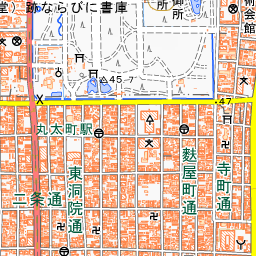
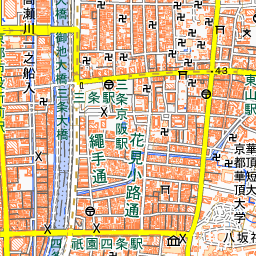
Get off at Keage Station on the Tozai Subway Line, take Exit 1, turn left, and walk for about 15 to 20 minutes. As the shrine grounds are situated on a mountainside with many slopes and stone staircases, comfortable walking shoes are recommended. Ame no Iwato and the Ise Jingu distant worship site (yohaisho) are located further uphill from the shrine office. The surrounding mountains, known as Mount Hinomi and Mount Shinmei, are revered as sacred divine mountains (shintaizan), densely forested with old cypresses and cedars, where visitors can also enjoy cherry blossoms, azaleas, and autumn leaves.




Spot location © OpenStreetMap contributors (ODbL)
Open in Google MapsUse asobot while you walk
- See where you are on the map and find spots nearby
- Listen to the guide's audio in course order, one after another (with subtitles)
- Walk to the next spot while following the map
Open on your phone
Scan to open this spot in asobot on your phone.