
Myokoku-ji Temple
Japanese: 妙國寺
Sakai Ward, Sakai, Osaka
This information was written by AI and may contain mistakes. Please check official sources for opening hours, fees, and other details before you go.
Found a mistake? Let us know with “✏️ Something's wrong” on this spot's screen in asobot →
🎧 Audio guide(1:10)
In short
A head temple of the Nichiren sect, founded in 1562 by Aburaya Jogon, a wealthy merchant of Sakai, who invited his son, Nichiko, to be the founding head priest. Because of the large cycad on its grounds, the temple is also known as "Sotetsu-dera." When the Honno-ji Incident occurred in 1582, Tokugawa Ieyasu was staying at this temple. It burned down during World War II and was rebuilt in 1973.
- Giant Cycad (National Natural Monument): Said to be 1,100 years old, it counts over 120 large and small trunks and branches. Legend has it that when Oda Nobunaga moved the tree to Azuchi Castle, it wept every night crying, "Let's return to Sakai," so Nobunaga returned it to Myokoku-ji Temple
- Dry Landscape Garden with Cycads: Integrating the rock arrangements surrounding the giant cycad with the garden on the east side of the main hall, this garden is designated as a Sakai City Place of Scenic Beauty. It is said that the rock arrangements represent turtles and the cycads represent dragons
- Monuments to the Sakai Incident: In the Sakai Incident of 1868, 11 samurai retainers of the Tosa Domain committed seppuku (ritual suicide) at this temple after being held responsible for a clash with French sailors. A monument marking the site of the seppuku and a memorial monument stand within the grounds
History and Highlights
Myokoku-ji Temple is a head temple of the Nichiren sect. Founded in 1562, it was established by Aburaya Jogon, a wealthy merchant of Sakai, on the former site of the residence of Miyoshi Jikkyu, who died in battle that same year. Jogon invited his son, Nichiko, to be the founding head priest. Because of the large cycad (sotetsu) on its grounds, the temple is also known as "Sotetsu-dera."
When the Honno-ji Incident occurred in 1582, Tokugawa Ieyasu was staying at Myokoku-ji Temple. Before Akechi Mitsuhide's pursuers could reach him, Ieyasu decided to return to his home province of Mikawa accompanied by only about 30 attendants. A monument inscribed with a poem by Ieyasu stands within the precinct.
The temple was burned down during the Siege of Osaka (Summer Campaign) but was restored shortly afterward. It burned down again during World War II and was rebuilt in 1973.
Viewing and Experience Highlights
- Giant Cycad (National Natural Monument): Said to be 1,100 years old, this large cycad now counts over 120 large and small trunks and branches, and it has long been known as one of Sakai's famous trees. Legend has it that when Oda Nobunaga moved the tree to Azuchi Castle, it wept every night crying, "Let's return to Sakai," leading Nobunaga to return it to Myokoku-ji Temple.
- Dry Landscape Garden with Cycads: Integrating the rock arrangements surrounding the giant cycad with the garden on the east side of the main hall, this garden is designated as a Sakai City Place of Scenic Beauty. It is said that the rock arrangements represent turtles and the cycads represent dragons. A karesansui (dry landscape) garden centered on cycads is an extremely rare and valuable design unseen elsewhere across the country.
- Monuments to the Sakai Incident: In the Sakai Incident of 1868, 11 samurai retainers of the Tosa Domain committed seppuku (ritual suicide) at this temple after being held responsible for a clash with French sailors. A monument marking the site of the seppuku and a memorial monument stand within the grounds.
Tips for Exploring
It is about a 5-minute walk from the Myokokuji-mae Stop on the Hankai Line.
Sakai Denshokan is located approximately 400 meters to the northwest, and the Yamaguchi Family Residence is approximately 620 meters to the north. Walking about 860 meters to the southeast brings you to Hochigai-jinja Shrine.
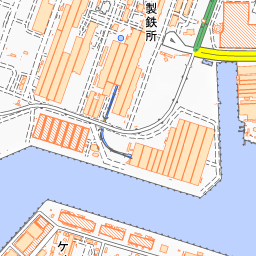
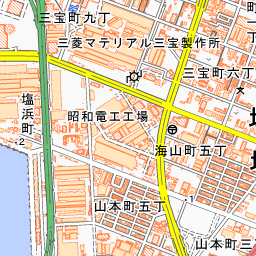


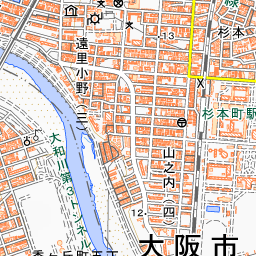
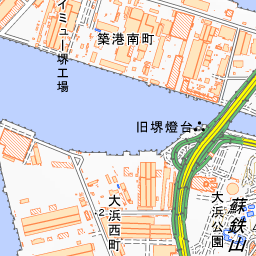
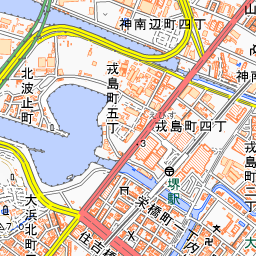
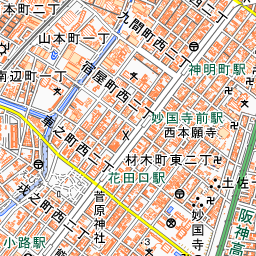
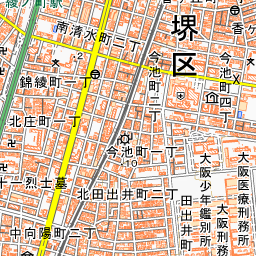
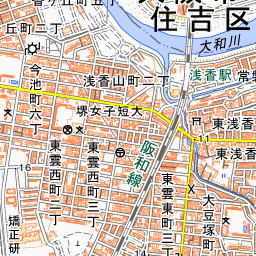


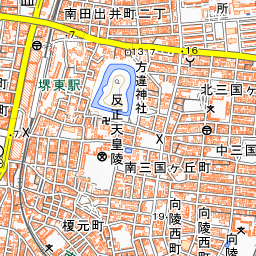
Spot location © OpenStreetMap contributors (ODbL)
Open in Google MapsGuides that include this spot (1)
Use asobot while you walk
- See where you are on the map and find spots nearby
- Listen to the guide's audio in course order, one after another (with subtitles)
- Walk to the next spot while following the map
Open on your phone
Scan to open this spot in asobot on your phone.