 ✨ AI Generated
Fushimi Inari-taisha Shrine
Japanese: 伏見稲荷大社
Fushimi Ward, Kyoto
This information was written by AI and may contain mistakes. Please check official sources for opening hours, fees, and other details before you go.
Found a mistake? Let us know with “✏️ Something's wrong” on this spot's screen in asobot →
🎧 Audio guide(1:08)
In short
The head shrine of the Inari shrines throughout Japan, which are said to number about 30,000. Inari Okami is said to have been enshrined on Mount Inari in 711 (the 4th year of the Wado era) during the Nara period, and the main hall (honden) enshrines five deities, including Ukanomitama-no-Okami. Today, the shrine is widely revered as a protector deity for business prosperity, safety of the household, and more.
- Senbon Torii: Dedicating torii gates spread from the Edo period onward, and today about 10,000 torii gates line the entire approach on the mountain. The "Senbon Torii" along the approach to the inner shrine (okusha) has become a famous sight
- Romon Gate: It is said to have been built by Toyotomi Hideyoshi in 1589 (the 17th year of the Tensho era), and it ranks among the largest gates of its kind for a shrine and is designated as a national Important Cultural Property
- Omokaru Stone: A pair of stone lanterns at the Okusha Hohaisho (inner shrine worship place). This is a divination stone: you make a wish in your heart and lift the top stone of the lantern; if it feels lighter than anticipated, your wish is believed to come true, and if it feels heavy, it is considered difficult to fulfill
History and Highlights
Fushimi Inari-taisha Shrine is the head shrine of the Inari shrines throughout Japan, which are said to number about 30,000. Inari Okami is said to have been enshrined on Mount Inari on the first Day of the Horse in the second month of 711 (the 4th year of the Wado era) during the Nara period. According to shrine records, it began when Hata no Irogu, a prominent figure in Fukakusa, received an imperial decree to enshrine three deities on the three peaks of Mount Inari; this village of Fukakusa had an extremely deep connection with the Hata clan.
The main hall (honden) enshrines five deities: Ukanomitama-no-Okami in the center, alongside Sadahiko-no-Okami, Omiyanome-no-Okami, Tanaka-no-Okami, and Shi-no-Okami. These divine names are considered representations of the vast divine virtues of Inari Okami. Today, the shrine is widely revered as a protector deity for business prosperity, industrial advancement, safety of the household, traffic safety, and improvement in the performing arts.
The grounds cover approximately 260,000 tsubo (around 86 hectares), largely occupied by Mount Inari—the southernmost peak of the Thirty-Six Peaks of Higashiyama—and extending to its western foot. After all buildings on the grounds were destroyed by the fires of war in 1468 (the 2nd year of the Onin era), the main hall was reconstructed in 1499 (the 8th year of the Meio era). Built in the architectural style known as Inari-zukuri, the main hall is designated as an Important Cultural Property.
Points for Viewing and Experiencing
- Senbon Torii: Dedicating torii gates as a prayer for wishes to "pass through" (come true) or as an expression of gratitude for wishes that have been fulfilled spread from the Edo period onward. Today, about 10,000 torii gates line the entire approach on the mountain, and the "Senbon Torii" along the approach to the inner shrine (okusha) has become a famous sight.
- Romon Gate: It is said to have been built by Toyotomi Hideyoshi in 1589 (the 17th year of the Tensho era), and a written prayer petitioning for the recovery of his mother, Omandokoro, from illness has been passed down. An ink inscription reading "17th year of Tensho" was discovered during disassembly and repair work in 1973, confirming the historical tradition. It ranks among the largest gates of its kind for a shrine and is designated as a national Important Cultural Property.
- Omokaru Stone: Behind the right side of the Okusha Hohaisho (inner shrine worship place), past the Senbon Torii, stands a pair of stone lanterns. This is a divination stone: you make a wish in your heart and lift the top stone of the lantern; if it feels lighter than anticipated, your wish is believed to come true, and if it feels heavy, it is considered difficult to fulfill.
Walking Tips
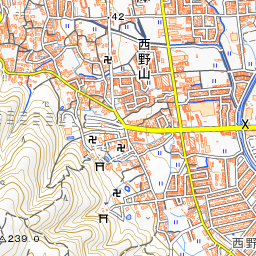
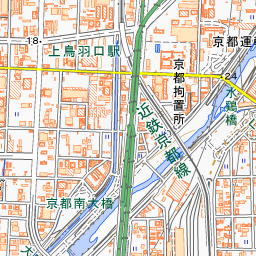
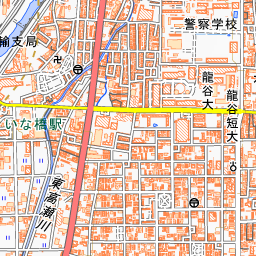
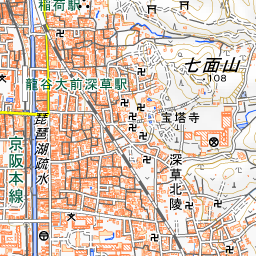
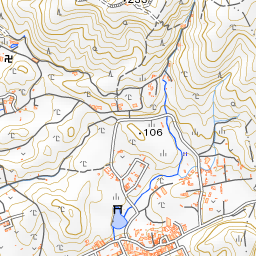
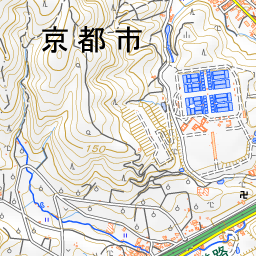
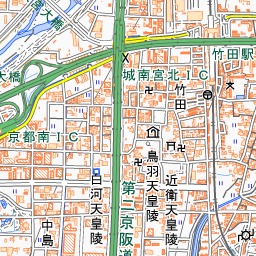
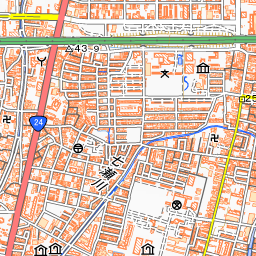
The shrine is right next to Inari Station on the JR Nara Line, and about a 5-minute walk east from Fushimi-Inari Station on the Keihan Main Line. The "Oyama-meguri" pilgrimage, which circles the sacred sites on Mount Inari, spans roughly 4 kilometers and takes about 2 hours. Ichinomine is the highest peak of Mount Inari, standing at an elevation of 233 meters. During the Inari Festival, the portable shrines (mikoshi) proceed to the Fushimi Inari-taisha Otabisho in Nishikujo, Minami Ward. Hoto-ji Temple is located about 500 meters to the south, and Tofuku-ji Temple is about 1.1 kilometers to the north.
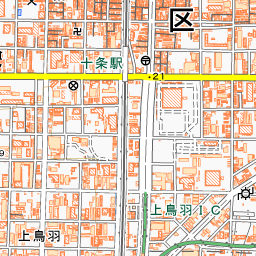
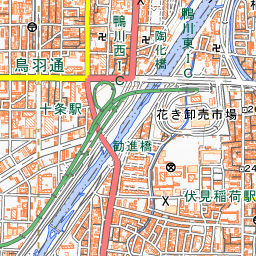
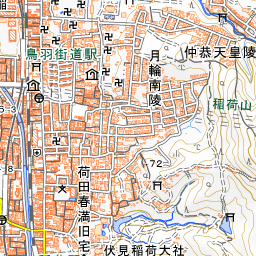
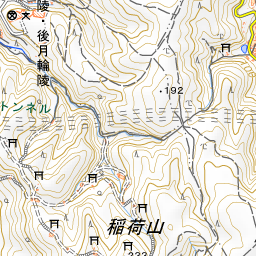
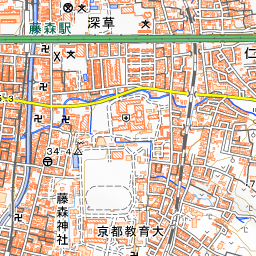
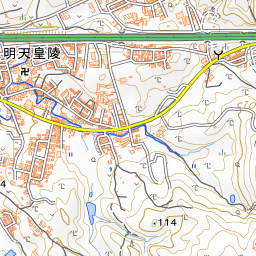
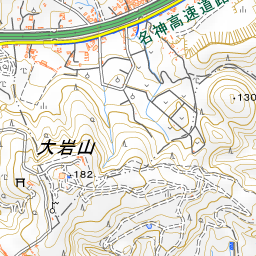
Spot location © OpenStreetMap contributors (ODbL)
Open in Google MapsGuides that include this spot (1)
Use asobot while you walk
- See where you are on the map and find spots nearby
- Listen to the guide's audio in course order, one after another (with subtitles)
- Walk to the next spot while following the map
Open on your phone
Scan to open this spot in asobot on your phone.