
Ama-no-Iwato-jinja Shrine
Japanese: 天岩戸神社
Fukuchiyama, Kyoto
This information was written by AI and may contain mistakes. Please check official sources for opening hours, fees, and other details before you go.
Found a mistake? Let us know with “✏️ Something's wrong” on this spot's screen in asobot →
🎧 Audio guide(1:05)
In short
A shrine situated along the mountain stream of the Miya River in Oe-cho, Fukuchiyama City, in a place of legend where Amaterasu-sume-okami is said to have hidden away. Along with Kotai-jinja Shrine and Toyouke Daijinja Shrine, it is counted as one of the "Three Motoise Shrines," and when visiting these three shrines, it is generally considered customary to visit this shrine last as the okumiya (rear shrine).
- Main Sanctuary on the Rock Face: To pray at the main sanctuary, built in the kakezukuri (overhang) style on a steep cliff, visitors hold onto chains while climbing the slope. Those who choose not to climb can also pray from the front
- Goza-ishi Stone and Kagura-ishi Stone: Massive rocks, such as the "Goza-ishi Stone," where the descended deities are said to have sat, and the "Kagura-ishi Stone," where sacred dances are said to have been performed, combined with the dense, lush forest, create a mystical atmosphere
- Ubugama and Ubudarai: Slightly downstream are large potholes where deities are said to have bathed, and lore says that water wells up from them even during years of drought
History and Highlights
Ama-no-Iwato-jinja Shrine is a shrine situated along the mountain stream of the Miya River in Busshoji, Oe-cho, Fukuchiyama City. Located at the foot of Mt. Iwato, a sacred mountain (shintaisan) where Amaterasu Omikami is said to have once descended, the shrine is dedicated to the deities Kushiiwamado-no-Mikoto and Toyoiwamado-no-Mikoto. Along with Kotai-jinja Shrine and Toyouke Daijinja Shrine, it is counted as one of the "Three Motoise Shrines." When visiting these three shrines, it is generally considered customary to visit this shrine last as the okumiya (inner/rear shrine).
This is a place of legend where Amaterasu-sume-okami is said to have hidden away. Befitting a place said to be where deities descended from heaven, it is located in the secluded Iwato Gorge, with the honden (main sanctuary) built as if clinging to the rock face.
The gorge of the Miya River—originating from Mt. Senjogatake of Mt. Oe—along with historic natural features such as Goza-ishi Stone and the main sanctuary perched atop a huge boulder in the stream, integrates with the natural forest blanketing both banks to preserve an exceptional historic landscape. As a result, the entire area has been designated as a Kyoto Prefecture Historic Natural Environment Conservation Area. On the eastern slope of Mt. Iwato, climax forest in particularly pristine condition remains, where rare plants such as inamoriso (Pseudopyxis depressa) and yokoguranoki (Berchemiella berchemiifolia) grow wild.
Highlights & Experiences
- Climbing to the Main Sanctuary via Chains: To reach the main sanctuary located on the cliff face, visitors hold onto iron chains while climbing the slope. The main sanctuary is built on a steep cliff in the kakezukuri (overhang) style. Those who choose not to climb can also pray from the front.
- Goza-ishi Stone and Kagura-ishi Stone: Massive rocks—such as the "Goza-ishi Stone," where the descended deities are said to have sat, and the "Kagura-ishi Stone," where sacred dances are said to have been performed—combined with the dense, lush forest create a mystical atmosphere.
- Ubugama and Ubudarai: Slightly downstream are large potholes known as "Ubugama" and "Ubudarai," where deities are said to have bathed. These natural hollows were carved into the rock by pebbles rolled by the flowing water, and lore says that water wells up from them even during years of drought.
Travel Tips
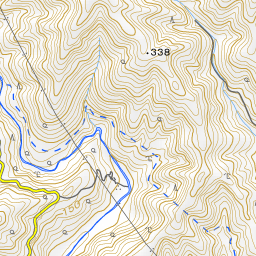
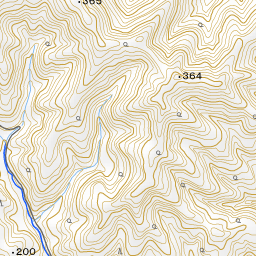
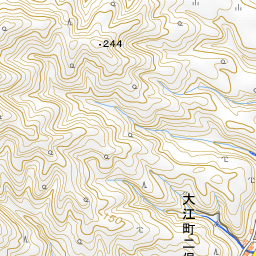
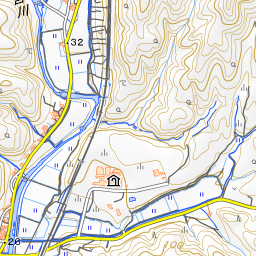
The shrine is situated down in the valley about 400 meters west-northwest of Kotai-jinja Shrine; along the way is the Himurogatake distant worship site belonging to Kotai-jinja Shrine. It is a 20-minute walk from Oeyamaguchi-Naiku Station on the Kyoto Tango Railway. From Kotai-jinja Shrine, the path descends a steep slope along a narrow mountain trail and continues down stairs to the valley floor, so please visit in comfortable walking shoes. Toyouke Daijinja Shrine, also known as the Motoise Geku (Outer Shrine), is located about 3 km to the south.


Guides that include this spot (1)
Use asobot while you walk
- See where you are on the map and find spots nearby
- Listen to the guide's audio in course order, one after another (with subtitles)
- Walk to the next spot while following the map
Open on your phone
Scan to open this spot in asobot on your phone.