 ✨ AI Generated
Shokoku-ji Temple
Japanese: 相国寺
Kamigyo Ward, Kyoto
This information was written by AI and may contain mistakes. Please check official sources for opening hours, fees, and other details before you go.
Found a mistake? Let us know with “✏️ Something's wrong” on this spot's screen in asobot →
🎧 Audio guide(1:04)
In short
The head temple of the Shokoku-ji branch of the Rinzai Zen sect. It began in 1382 (Eitoku 2), when Ashikaga Yoshimitsu, the third shogun of the Muromachi shogunate, wished to build a Zen temple, with Muso Soseki as its founding priest. It is ranked second among the Kyoto Gozan (Kyoto's Five Great Zen Temples), and Kinkaku-ji Temple (Rokuon-ji Temple) and Ginkaku-ji Temple (Jisho-ji Temple) are sangai-tacchu (external sub-temples) of Shokoku-ji Temple.
- The Hatto and the "Crying Dragon": Completed in 1605 (Keicho 10), it is the oldest surviving Dharma Hall structure in Japan and an Important Cultural Property. The Banryu-zu by Kano Mitsunobu on its ceiling is called the "Naki-ryu" (Crying Dragon) because when you clap your hands, the sound echoes like the cry of a dragon
- Principal Image Attributed to Unkei: The principal image in the Hatto, Shakyamuni Buddha, together with the attendant statues of Mahakashyapa and Ananda, is said to be the work of Unkei
- Koonro and Tenkai-kyo: The bell tower is also called "Koonro," and the current building was erected in 1843 (Tenpo 14). The stone bridge "Tenkai-kyo" across the Hojo-chi pond was so named because it served as the boundary between the temple and the imperial grounds
History and Highlights
Shokoku-ji Temple is the head temple of the Shokoku-ji branch of the Rinzai Zen sect. It began when Ashikaga Yoshimitsu, the third shogun of the Muromachi shogunate, wished to build a Zen temple in 1382 (Eitoku 2), with Muso Soseki as its founding priest and Shun'oku Myoha as its second head priest. The temple was officially named Mannenzan Shokoku Shoten Zenji, and came to be called Shokoku-ji Temple because Yoshimitsu held the title of Minister of the Left, also known as "Shokoku". Ranked second among the Kyoto Gozan (Kyoto's Five Great Zen Temples), its temple complex was completed in 1392, ten years after construction began.
Afterward, it was repeatedly destroyed and rebuilt, being caught in the fires of the Onin War and losing most of its structures except the Hatto (Dharma Hall) in the Great Fire of Tenmei (1788). Kinkaku-ji Temple (Rokuon-ji Temple) and Ginkaku-ji Temple (Jisho-ji Temple) are sangai-tacchu (external sub-temples) of Shokoku-ji Temple, and to this day, monks from Shokoku-ji Temple manage the operations of both temples alongside Shokoku-ji Temple on a term-based system.
Viewing and Experience Highlights
- Hatto and the "Crying Dragon": The Hatto (Dharma Hall) was completed in 1605 (Keicho 10) through a donation from Toyotomi Hideyori, and is designated as an Important Cultural Property as the oldest surviving Dharma Hall structure in Japan. The Butsuden (Buddha Hall) that was destroyed in the Onin War was never rebuilt, so the Hatto also functions as the Buddha Hall. On its ceiling is the Banryu-zu painted by Kano Mitsunobu; when you clap your hands, a reverberating echo resembles the cry of a dragon, earning it the name "Naki-ryu" (Crying Dragon).
- Principal Image Attributed to Unkei: The principal image in the Hatto, Shakyamuni Buddha, together with the attendant statues of Mahakashyapa and Ananda, is said to be the work of Unkei, a master Buddhist sculptor of the Kamakura period.
- Temple Grounds Complex: Buildings such as the Hojo (Abbot's Quarters), Kaisan-do (Founder's Hall), bell tower, and bathhouse are Tangible Cultural Properties designated by Kyoto Prefecture. The bell tower is also called "Koonro," and the current building was erected in 1843 (Tenpo 14). The stone bridge across the Hojo-chi pond, named "Tenkai-kyo," was so named because it served as the boundary between the temple and the imperial grounds.
Walking Tips
It is about an 8-minute walk from Imadegawa Station on the Karasuma Subway Line, and about a 5-minute walk from the city bus stop "Doshisha-mae." The interiors of the Hatto, Hojo, and Kaisan-do are open to the public during special viewings in spring and autumn. Within the grounds is the Jotenkaku Museum, which houses treasures from Shokoku-ji Temple, Kinkaku-ji Temple, and Ginkaku-ji Temple; combining your visit with a walk through the nearby Kyoto Gyoen National Garden is also recommended.
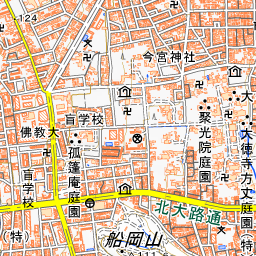
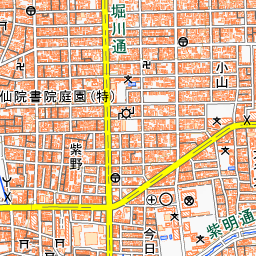

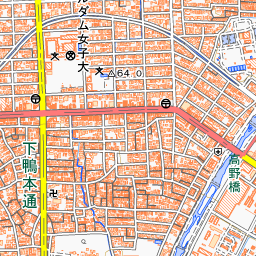
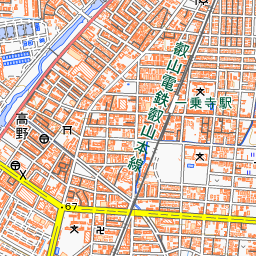
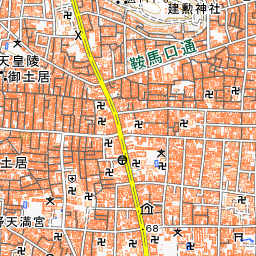
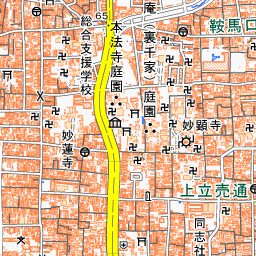
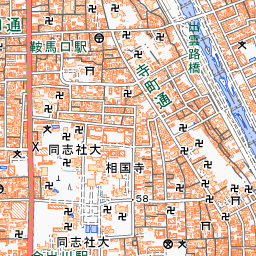
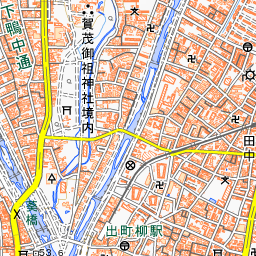
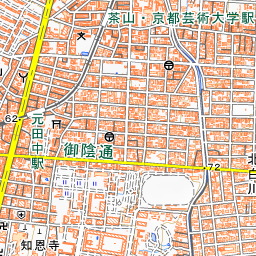


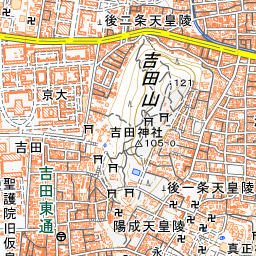
Spot location © OpenStreetMap contributors (ODbL)
Open in Google MapsGuides that include this spot (1)
Use asobot while you walk
- See where you are on the map and find spots nearby
- Listen to the guide's audio in course order, one after another (with subtitles)
- Walk to the next spot while following the map
Open on your phone
Scan to open this spot in asobot on your phone.