 ✨ AI Generated
Daikaku-ji Temple
Japanese: 大覚寺
Ukyo Ward, Kyoto
This information was written by AI and may contain mistakes. Please check official sources for opening hours, fees, and other details before you go.
Found a mistake? Let us know with “✏️ Something's wrong” on this spot's screen in asobot →
🎧 Audio guide(1:09)
In short
The head temple of the Daikaku-ji branch of the Shingon sect, formally named Kyu Saga Gosho Daihonzan Daikaku-ji. Its predecessor was Saga-in, Emperor Saga's detached palace, which was converted into a temple in 876 (Jogan 18). Until the beginning of the Meiji period, it was a monzeki temple where emperors and imperial family members served successively as head priests.
- Osawa Pond: Said to have been modeled after Lake Dongting in Tang-dynasty China, this pond with a circumference of approximately 1 kilometer is Japan's oldest artificial garden pond (rinsen) and a National Place of Scenic Beauty. Moon-viewing evenings are held around mid-autumn
- Shinden and Murasame Corridor: The Shinden, an Important Cultural Property, is a shinden-zukuri style building bestowed by Emperor Gomizunoo in the Edo period. The covered passageway connecting the Shinden and the Shingyo-zenden is called the "Murasame Corridor," and its floor is an uguisubari (nightingale floor)
- Chokufu Shinkyo and Ikebana: The Heart Sutra hand-copied by Emperor Saga is kept in the Shinkyoden hall as the chokufu shinkyo (imperially sealed Heart Sutra), opened only once every 60 years. The temple is also the headquarters of the Ikebana Saga Goryu school
History and Highlights
Daikaku-ji Temple is the head temple of the Daikaku-ji branch of the Shingon sect, which reveres Kobo Daishi Kukai as its founder. Its official name is Kyu Saga Gosho Daihonzan Daikaku-ji, and it is also known as Saga Gosho. Its predecessor was Saga-in, a detached palace built at the beginning of the Heian period by Emperor Saga. In 876 (Jogan 18), Imperial Princess Masako, the eldest daughter of Retired Emperor Saga and empress consort of Emperor Junna, converted it into a temple, with Cloistered Imperial Prince Kojaku as the founding abbot. Until the beginning of the Meiji period, it was a monzeki temple where emperors and imperial family members served successively as head priests. Cloistered Emperor Gouda resided at this temple and devoted his efforts to reviving its buildings, and he is regarded as the restorer of Daikaku-ji Temple.
In 818 (Konin 9), Emperor Saga hand-copied the Heart Sutra upon the recommendation of Kobo Daishi. This imperially sealed copy of the Heart Sutra (chokufu shinkyo), opened only once every 60 years, is enshrined in the Shinkyoden hall to this day, and Daikaku-ji Temple is known as the fundamental training ground for copying the Heart Sutra. It is also the headquarters of the Ikebana Saga Goryu school of flower arrangement, which is said to have originated when Emperor Saga plucked chrysanthemums blooming on Kikugashima Island in Osawa Pond and arranged them in a vase.
Sights and Experiences
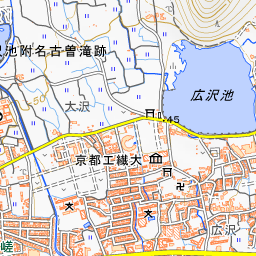
- Osawa Pond: This garden pond with a circumference of approximately 1 kilometer is said to have been modeled after Lake Dongting in Tang-dynasty China when Emperor Saga built his detached palace. It is Japan's oldest artificial garden pond (rinsen) and a designated National Place of Scenic Beauty. Cherry trees and maples are planted along the water's edge, and moon-viewing evenings are held around mid-autumn. To the north lie the remains of the Nakoso Waterfall, which Fujiwara no Kinto wrote of in his poem in the Hyakunin Isshu.
- Shinden and Murasame Corridor: The Shinden, designated an Important Cultural Property, is a shinden-zukuri style building bestowed by Emperor Gomizunoo in the Edo period, which was used as a palace for the consort Tofukumon-in Kazuko. The sliding-door paintings (fusuma-e) in the Peony Room and the Red Plum Room were brushed by Kano Sanraku. The covered passageway connecting the Shinden and the Shingyo-zenden is called the "Murasame Corridor," with its pillars likened to falling rain and its right-angle turns likened to lightning, and its floor features an uguisubari (nightingale floor) design.
- Shingyo Hoto Pagoda: Built in 1967 (Showa 42) on the shore of Osawa Pond, this vermilion-lacquered pagoda commemorates the 1,150th anniversary of Emperor Saga's copying of the Heart Sutra.
Tips for Visitors
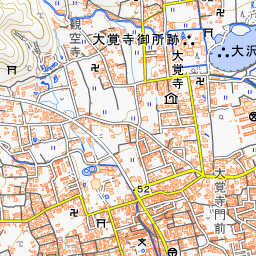
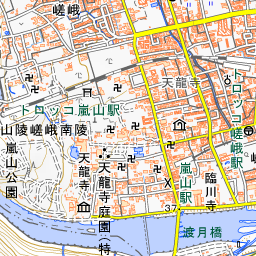
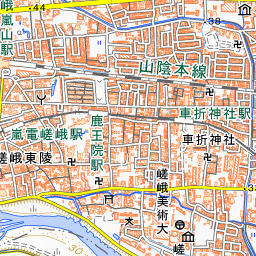
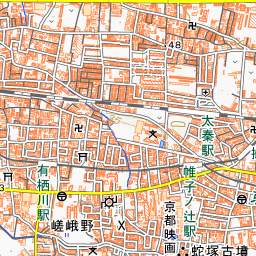
It is just steps away from the "Daikakuji" bus stop for the Kyoto City Bus and Kyoto Bus, and about a 20-minute walk from the North Exit of JR Saga-Arashiyama Station. The precinct is divided into the temple halls area, where buildings such as the Shinden and Godaido stand, and the Osawa Pond area. Seiryo-ji Temple is located about 700 meters to the southwest.
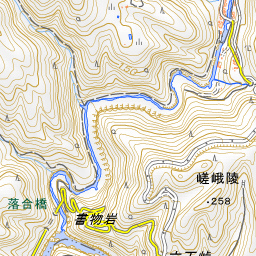
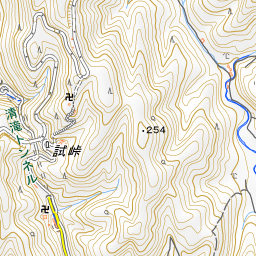
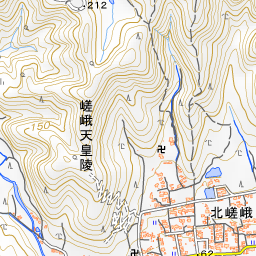
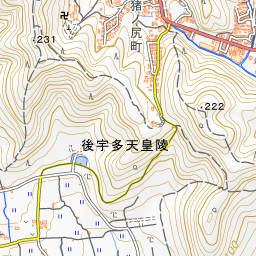
Spot location © OpenStreetMap contributors (ODbL)
Open in Google MapsGuides that include this spot (1)
Use asobot while you walk
- See where you are on the map and find spots nearby
- Listen to the guide's audio in course order, one after another (with subtitles)
- Walk to the next spot while following the map
Open on your phone
Scan to open this spot in asobot on your phone.