 ✨ AI Generated
Urashima-jinja Shrine
Japanese: 浦嶋神社
Ine Town, Kyoto
This information was written by AI and may contain mistakes. Please check official sources for opening hours, fees, and other details before you go.
Found a mistake? Let us know with “✏️ Something's wrong” on this spot's screen in asobot →
🎧 Audio guide(1:09)
In short
Also called Ura-jinja Shrine, this shrine in Ine Town is known as the shrine where the tale of Urashima Taro originated. It venerates Urashimako as Tsutsukawa Daimyojin, and holds that it was founded in 825 (Tencho 2).
- Urashima Myojin Engi and Tamatebako: The illustrated handscroll "Color on Paper: Urashima Myojin Engi" dates from the late Kamakura period to the Nanboku-cho period and is a national Important Cultural Property. At the treasure archive, visitors can view treasures such as the tamatebako (treasure box) and listen to picture-scroll explanations
- Thatched Honden and Carved Haiden: The main hall is a thatched-roof shrine building with chigi and katsuogi on its ridge. The worship hall is decorated with carvings of waves, flora, and fauna, starting with the Unryu (dragon in clouds), crafted by the lineage of Nakai Gonji, who was also called the "Hidari Jingoro of the West"
- Tokoyo Garden: A garden based on the tale of Urashimako being guided by the divine maiden to Tokoyo (Mt. Horai) across the sea
History and Highlights
Urashima-jinja Shrine, also known as Ura-jinja Shrine, is renowned as the shrine where the legend of Urashima Taro originated. In the chapter for the 22nd year of Emperor Yuryaku's reign in the Nihon Shoki (Chronicles of Japan), it is recorded that Mizunoe no Urashimako, a man from Tsutsukawa in Yosa District of Tamba Province, married a woman who transformed from a giant turtle he caught, and together they ventured into the sea to reach Mt. Horai.
The shrine venerates this Mizunoe no Urashimako as Tsutsukawa Daimyojin, with traditions holding that it was founded in 825 (Tencho 2). It is a shikinaisha (a shrine listed in the Engishiki Jinmyocho register) and has long gathered faith as a deity of matchmaking, longevity, fisheries, and maritime navigation.
The present shrine buildings were rebuilt in 1884 (Meiji 17) after being destroyed by fire in 1864 (Genji 1). The main hall (honden), along with the worship hall (haiden) and middle hall (chuden), are designated as national Registered Tangible Cultural Properties.
Sights and Experiences
- Urashima Myojin Engi and Tamatebako: The illustrated handscroll "Color on Paper: Urashima Myojin Engi," which depicts scenes of the shrine's founding and festivals following the tale of Urashimako, dates from the late Kamakura period to the Nanboku-cho period and is a national Important Cultural Property. At the treasure archive on the grounds, visitors can view treasures such as the tamatebako (treasure box) and listen to picture-scroll explanations using hanging scrolls designated as prefectural cultural properties.
- Thatched Honden and Carved Haiden: Standing facing north in the back of the grounds, the main hall is a thatched-roof shrine building adorned with chigi (forked roof finials) and katsuogi (ridge logs) on the ridge, regarded as a fine example of the Shinmei-zukuri style shrines distributed in the Tango region. The worship hall is decorated with carvings of waves, flora, and fauna, along with an Unryu (dragon in clouds) in the center front, crafted by the lineage of Nakai Gonji, who was referred to as the "Hidari Jingoro of the West."
- Tokoyo Garden: This garden is based on the tale of Urashimako being guided by the divine maiden to Tokoyo (Mt. Horai) across the sea. It was constructed based on historical texts such as surviving fragments of the Tango no Kuni Fudoki and the "Urashima Myojin Engi" scroll.
Travel Tips
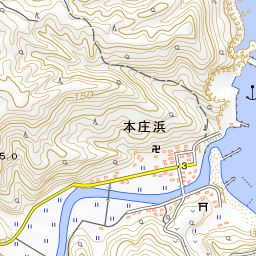
Urashima-jinja Shrine is located in the Honjohama district in the northern part of Ine. As it is separated from the streetscape of the Funaya boathouses in Ine Bay, traveling by car is convenient if you plan to visit alongside the Ine-no-Funaya Boathouses. In this area, there also remains a legend that Nunobiki Falls tumbling from Mt. Unryu is the white cloud that rose from the tamakushige (casket) opened by Urashimako. In the summer, rituals including tachifuri (sword dance) are dedicated during the annual grand festival in August. If you wish to spend time by the sea, extending your visit to the nearby Tomari Beach is also recommended.
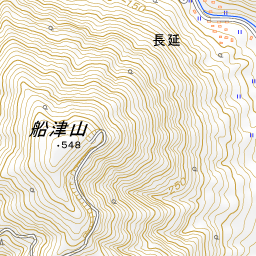
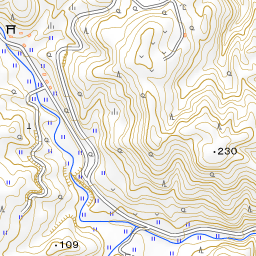
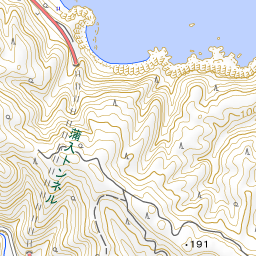
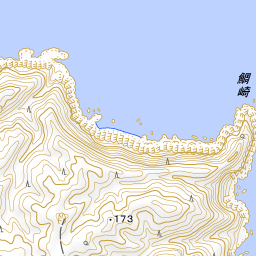

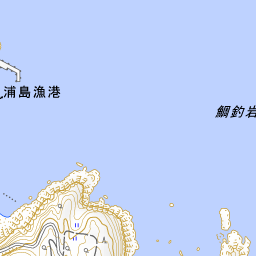
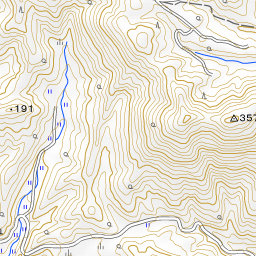
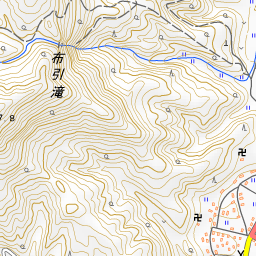
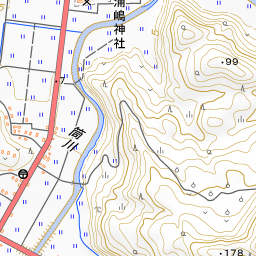
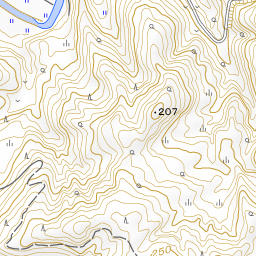
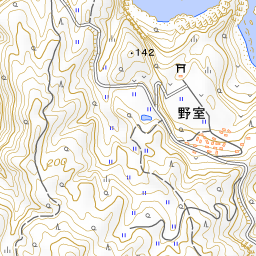
Spot location © OpenStreetMap contributors (ODbL)
Open in Google MapsUse asobot while you walk
- See where you are on the map and find spots nearby
- Listen to the guide's audio in course order, one after another (with subtitles)
- Walk to the next spot while following the map
Open on your phone
Scan to open this spot in asobot on your phone.