 ✨ AI Generated
Hino-juku Honjin
Japanese: 日野宿本陣
Hino, Tokyo
This information was written by AI and may contain mistakes. Please check official sources for opening hours, fees, and other details before you go.
Found a mistake? Let us know with “✏️ Something's wrong” on this spot's screen in asobot →
🎧 Audio guide(1:12)
In short
Hino-juku Honjin is the only surviving honjin (official inn) building from the Edo period in Tokyo, located in Hino-juku, which was a post town along the Koshu Dochu route. Completed in 1864 as the residence of the local village headman (nanushi), Sato Hikogoro, it is designated as a cultural property by both the Tokyo Metropolitan Government and Hino City. It is regarded as the origin of the Shinsengumi, where figures such as Hijikata Toshizo, Inoue Genzaburo, Kondo Isami, and Okita Soji met and practiced swordsmanship.
- Entrance with Shikidai: An entrance with an irimoya (hip-and-gable) roof and a shikidai (step platform) faces the old road.
- Fusuma from the Construction Era: Original sliding doors (fusuma) from the time of construction remain in places such as the room where Hijikata Toshizo is said to have taken afternoon naps.
- Monument of the Sato Dojo Site: A stone monument stands facing the parking lot, indicating the former location of the Tennen Rishin-ryu dojo.
History and Highlights
Hino-juku Honjin is the former residence of Sato Hikogoro, who served as the village headman of Hino. Hikogoro was both a brother-in-law and cousin to Hijikata Toshizo and is also known as a supporter of the Shinsengumi.
In Hino-juku on the Koshu Dochu, a honjin (primary official inn) and a waki-honjin (secondary inn) stood side by side near the center of the post station. The honjin was the residence of the Kami-Sato (Upper Sato) family, while the waki-honjin belonged to the Shimo-Sato (Lower Sato) family, with both families taking turns serving as village headman and wholesale agent/post manager (toiya). Both residences were destroyed in the great fire of 1849. After preparations that are said to have lasted 10 years, Hikogoro, the head of the Shimo-Sato family, held the ridge-raising ceremony in 1863 and rebuilt the residence in 1864. Towards the end of the Edo period, the Shimo-Sato family came to serve as the honjin; therefore, this building is known as "Hino-juku Honjin" and is designated as a Tangible Cultural Property of Hino City. It is the only surviving Edo-period honjin building in Tokyo, and its official name as a Tokyo Metropolitan Historic Site is "Hino-juku Waki-honjin Site."
Triggered by the great fire, Hikogoro felt the acute need for self-defense. He enrolled in the Tennen Rishin-ryu school and opened a dojo at his home. Kondo Isami, Okita Soji, Yamanami Keisuke, and others began visiting, interacting with Hino locals such as Hijikata Toshizo and Inoue Genzaburo. Although this occurred before the current building was completed, this place where they met and devoted themselves to martial arts training can be considered the origin of the Shinsengumi.
Emperor Meiji rested at the Sato residence for two consecutive years: during his imperial visit in Meiji 13 (1880) and a hunting trip in Meiji 14 (1881). In the Showa period, the property came into the possession of the Miyazaki family, and a soba noodle restaurant named "Hinokan" was opened in 1980 (Showa 55) partly to help preserve the building. Following the relocation of the restaurant, it became the "Hino-juku Honjin" in the spring of 2005 (Heisei 17).
Viewing and Experience Highlights
- Entrance and Grand Roof: The building features a kirizuma (gabled) tiled roof and is of a scale that was among the largest along the Koshu Dochu. Facing the old road, the entrance boasts an irimoya-style roof and a shikidai, exuding the dignity of honjin architecture. As many as 6,000 tiles are used on the roof.
- Toshizo's Nap Room: There are rooms where Hijikata Toshizo is said to have taken afternoon naps and where Ichimura Tetsunosuke was hidden. These rooms retain sliding doors (fusuma) and shutter cases (tobukuro) from the time of construction. The highest-ranking rooms, the Jodan-no-ma and Gozen-no-ma, were relocated during the Meiji period. The relocation site is not open to the public, but they can be seen in photographs displayed inside the facility.
- Video and Exhibition Room: Visitors can tour the building starting from a room featuring video introductions that explain the connection between the Shinsengumi and Hino.
Walking Tips
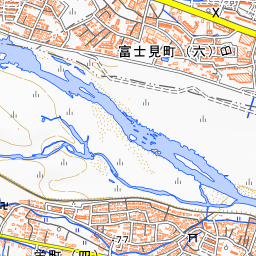
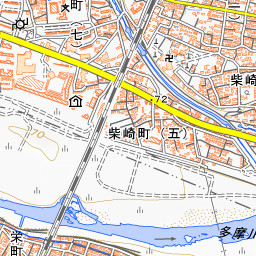
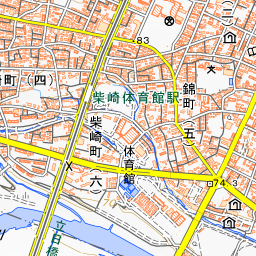
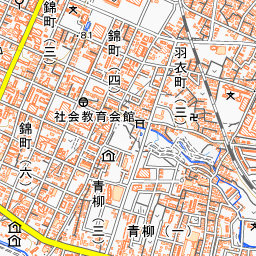
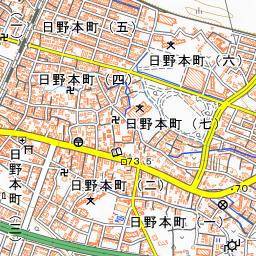
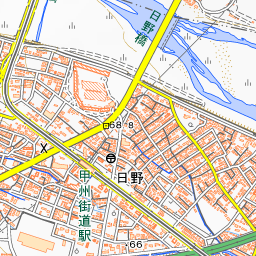
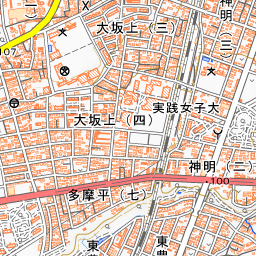
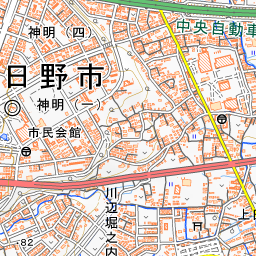
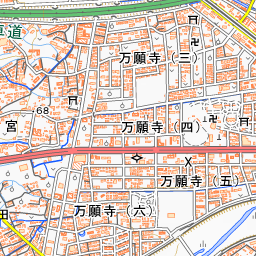
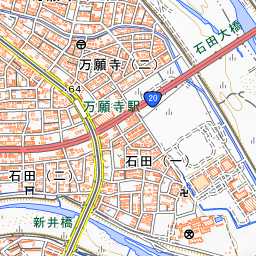
It is a 12-minute walk from JR Hino Station on the Chuo Line. Inside the gate, parts of the roof tiles removed during major restoration work are incorporated into the white wall. Facing the parking lot stands the monument marking the former site of the Tennen Rishin-ryu Sato Dojo.
The Shinsengumi Hometown History Museum is located about 610 meters south-southwest, and this building serves as its annex. The Hijikata Toshizo Museum is approximately 2 kilometers east-southeast, and Takahata Fudoson Temple is approximately 2.1 kilometers south-southeast.



Spot location © OpenStreetMap contributors (ODbL)
Open in Google MapsGuides that include this spot (1)
Use asobot while you walk
- See where you are on the map and find spots nearby
- Listen to the guide's audio in course order, one after another (with subtitles)
- Walk to the next spot while following the map
Open on your phone
Scan to open this spot in asobot on your phone.