 ✨ AI Generated
Sumida Park
Japanese: 隅田公園
Sumida City, Tokyo
This information was written by AI and may contain mistakes. Please check official sources for opening hours, fees, and other details before you go.
Found a mistake? Let us know with “✏️ Something's wrong” on this spot's screen in asobot →
🎧 Audio guide(1:06)
In short
Sumida Park is a park located along the Sumida River. Built on the former site of an estate of the Mito Tokugawa family, it opened in 1931 (Showa 6) as part of the Capital Reconstruction Project following the Great Kanto Earthquake, making it Japan's first full-fledged riverside park. In spring, it becomes one of the premier cherry blossom viewing spots, and in summer, it hosts the Sumida River Fireworks Festival.
- Cherry Blossoms of Bokutei: Cherry trees passed down since the Edo period, said to have started when 100 trees were planted by order of the 8th shogun, Tokugawa Yoshimune. The Sumida Ward side of Sumida Park is home to about 300 cherry trees.
- Garden Retaining Traces of the Mito Tokugawa Residence: The Japanese garden within the park was created by utilizing historical remains, such as the pond from the Mito Tokugawa estate. Visitors can enjoy the stone bridge spanning the pond and aquatic plants such as water lilies.
- View of Tokyo Skytree: The lawn plaza in the southern part of the park offers an open view, making it an excellent spot to view the Japanese garden to the north and Tokyo Skytree.
History and Highlights
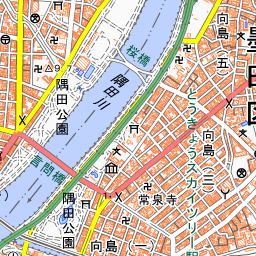
Sumida Park is a park located along the Sumida River. The left bank on the Sumida Ward side is located in Mukojima 1-chome, 2-chome, and 5-chome, covering an area of approximately 80,000 square meters. In spring, it becomes one of the premier cherry blossom viewing spots, and in summer, the Sumida River Fireworks Festival is held.
This area was once the Koume residence of the Mito Tokugawa family, used for entertainment such as gatherings and flower-viewing banquets. The residence was destroyed by fire during the Great Kanto Earthquake in 1923 (Taisho 12), and it opened as a park in 1931 (Showa 6) through the Capital Reconstruction Project. It is Japan's first full-fledged riverside park. Within the park grounds is also Japan's first boys' baseball field.
The embankment of the Sumida River from around Mokubo-ji Temple to near the Mito Tokugawa residence has been called "Bokutei" since the Edo period. The cherry blossoms of Bokutei are said to have begun during the Kyoho era when 100 trees were planted south of Mokubo-ji Temple by order of the 8th shogun Yoshimune. Thereafter, local residents and others continued to plant cherry trees, to the point that in the late Edo period it came to be known as the "number one flower spot in Edo." In 1880 (Meiji 13), the Mito Tokugawa family also planted cherry trees in front of their own residence, that is, in front of what is now Sumida Park. Today, there are about 300 cherry trees in Sumida Park on the Sumida Ward side.
Viewing and Experience Highlights
- Japanese Garden Retaining Traces of the Mito Tokugawa Residence: The garden in the park was created by utilizing the pond and other remains of the Mito Tokugawa estate. Through redevelopment completed in fiscal 2024, the pond was expanded northward, making the stone bridge across it stand out more prominently. Aquatic plants such as water lilies can also be enjoyed in the pond.
- View from Kogetsudai: On the observation terrace west of the pond is the "Kogetsudai," where visitors can look out over the Japanese garden, the moon, and Tokyo Skytree. On the terrace deck overlooking the pond, boat-shaped benches and a wisteria trellis have also been placed.
- Lawn Plaza and Tokyo Skytree: At the southern end of the park, there is a lawn plaza of about 3,000 square meters. It offers an unobstructed vista and is a great location for viewing the Japanese garden to the north and Tokyo Skytree.
Walking Tips
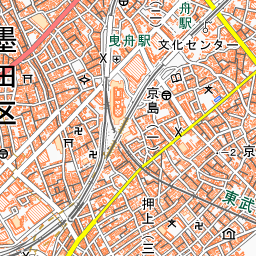
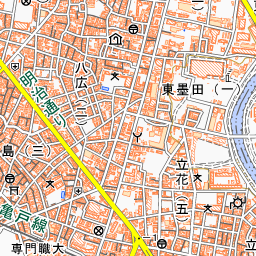
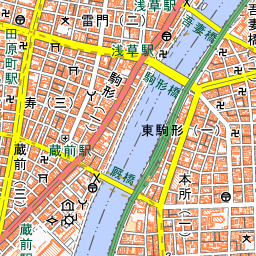
It is about a 5-minute walk from Asakusa Station. Walking north from the southern lawn plaza, the pond of the Japanese garden spreads out beyond a vermilion gate. Further north, the area from Kototoi Bridge to Koume Elementary School has been beloved by children since the park's opening, and it is the only area in the park equipped with playground equipment. During the cherry blossom season, the Bokutei Cherry Blossom Festival is held. Ushijima-jinja Shrine was originally located on the north side of the park, but was moved to its current location in 1932 due to park construction work. For more, see the descriptions of Ushijima-jinja Shrine and of Mimeguri-jinja Shrine, whose "Great Torii below the Embankment" has been a familiar landmark of Bokutei since the Edo period.
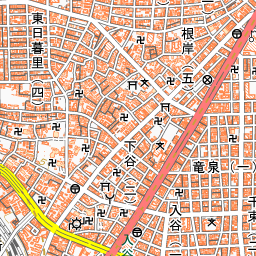
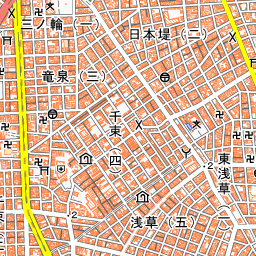
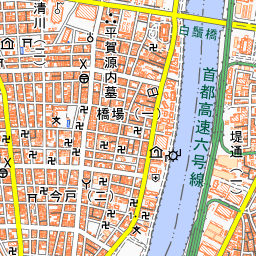


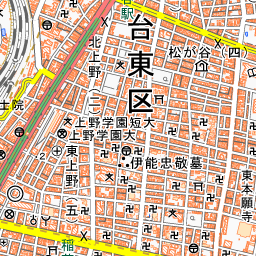


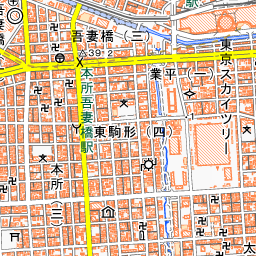
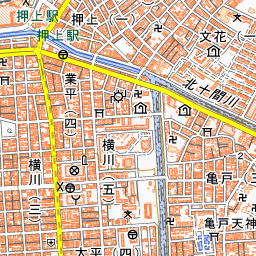

Spot location © OpenStreetMap contributors (ODbL)
Open in Google MapsGuides that include this spot (2)
Use asobot while you walk
- See where you are on the map and find spots nearby
- Listen to the guide's audio in course order, one after another (with subtitles)
- Walk to the next spot while following the map
Open on your phone
Scan to open this spot in asobot on your phone.