 ✨ AI Generated
Himuro-jinja Shrine
Japanese: 氷室神社
Nara City, Nara
This information was written by AI and may contain mistakes. Please check official sources for opening hours, fees, and other details before you go.
Found a mistake? Let us know with “✏️ Something's wrong” on this spot's screen in asobot →
🎧 Audio guide(1:04)
In short
Himuro-jinja Shrine is a Shinto shrine in Nara City that enshrines the guardian deities of the icehouses (himuro) that once presented ice to Heijo-kyo during the Nara period. It continues to be deeply revered by the ice-making, ice-vending, and refrigeration industries, and is well known for its Kenhyo-sai (Ice Offering Festival) held every May 1.
- Kenhyo-sai: Ice manufacturers and vendors from across the country attend. Large ice pillars encasing sea bream and carp, as well as decorative ice with frozen flowers, are offered, and a bugaku dance performance is also dedicated starting at 2:00 p.m.
- Haiden and Shikyakumon Gate: This shrine served as a base for musicians of the Nanto-gata during the Edo period; the Haiden (worship hall) serves as a stage for performing bugaku dance. The Shikyakumon gate is a surviving structure from the Kinri Gosho (Imperial Palace).
- Weeping Cherry Blossoms and Ice Omikuji: Nara City's cherry blossom season generally begins around late March with this shrine's weeping cherry tree. There is also an "ice omikuji" (fortune slip) where characters appear when the paper is placed on a block of ice.
History and Highlights
According to the shrine's history, it was enshrined by imperial decree in the 3rd year of Wado (710) on Kasuga's Mikasa no Goryozan (Mount Kasuga), in the Sakyo district of the new capital of Heijo. The following year, an imperial festival of ice offerings was inaugurated, and ice was presented to Heijo-kyo every year from April 1 to September 30. This practice continued for more than 70 years during the Nara period, but was abolished after the capital moved to Heian-kyo. Later, in the 2nd year of Jogan (860), it was moved to its present location, and two deities were added on the left and right, bringing the total to three seats. Today's enshrined deities are Tsuge no Inaki Oyamanushi no Mikoto in the center, Osazaki no Mikoto on the left, and Nukata no Onakatsuhiko no Mikoto on the right.
During the Nara period, ice ponds and icehouses were established in Kasugano, and festivals praying for abundant harvests by honoring the guardian deities of the icehouse appear to have been conducted. The icehouses are presumed to have been located in the Asajigahara area overlooking the Ara-ike and Sagi-ike Ponds.
This shrine is also known for its history of music and dance. During the Edo period, it was the base for musicians of the Nanto-gata—one of the Sanpo Gakuso (three major court music departments) that performed duties for the Imperial Court and the shogunate—and the head priests were also musicians. Although the Nanto-gata Gakuso was abolished in the 3rd year of Meiji (1870), the Haiden, Shikyakumon gate, east and west covered corridors, and the auxiliary Bukosha Shrine remain as its architectural remnants.
Sights and Experiences
- Haiden and Shikyakumon Gate: The Haiden is a stage for performing bugaku dance, and dancers performed while the east and west corridors flanking the Shikyakumon gate served as music quarters. The Shikyakumon gate is a remnant of the Kinri Gosho, and its present doors were the doors of the Nikkamon gate bestowed in the 18th year of Kanei (1641).
- Kenhyo-sai: The shrine is still deeply revered by the ice-making, ice-vending, and refrigeration industries, and ice producers and vendors from throughout the country attend each year on May 1 to pray for business success. Two large ice pillars containing sea bream and carp, as well as floral ice blocks, are offered, and a bugaku dance performance is also dedicated starting at 2:00 p.m. General worship is possible from the afternoon.
- Ice-related Blessings: There is an ice omikuji where written fortunes reveal themselves when placed atop ice. Around sunset on the 1st of every month, ice lantern offerings are held, in which candles are lit inside ice lanterns. In the summer season, visitors can receive shaved ice offered to the deities as a blessed gift (osagari).
Tips for Exploring
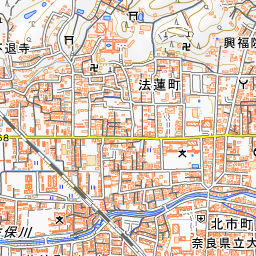
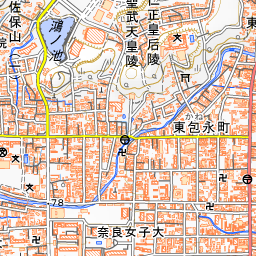
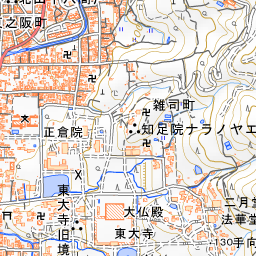
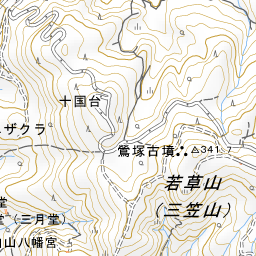
It is a 15-minute walk from Kintetsu-Nara Station and is located just north of the Nara National Museum. Cherry blossoms in Nara City typically begin around late March with this shrine's weeping cherry tree. In spring, admire the 100-year-old weeping cherry tree at the back right of the approach before proceeding toward the shrine buildings. On the east side of the main hall is Bukosha Shrine, which enshrines the ancestral founder of Nanto Bugaku. In the southeastern area of the precincts lies Kagami-ike Pond, also referred to as "Nomori no Kagami," and a Man'yo poem monument engraved with verse by Otomo no Yakamochi is also on the grounds. In Asajigahara, where the Nara-period icehouses are presumed to have stood, sits Ukimi-do Hall, located approximately 470 meters to the south.
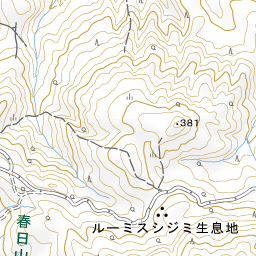

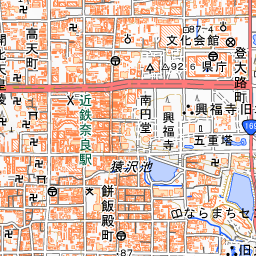
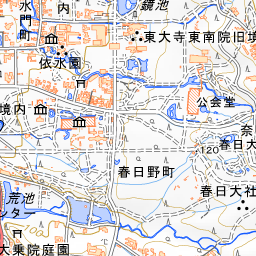
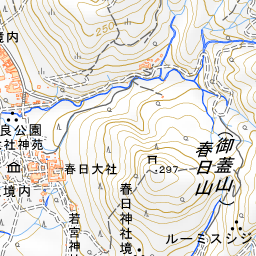
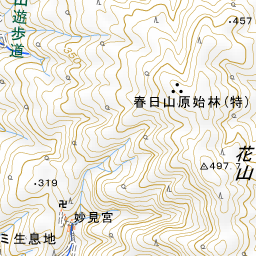
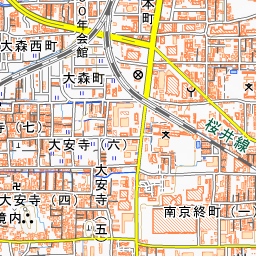
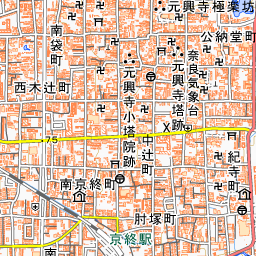
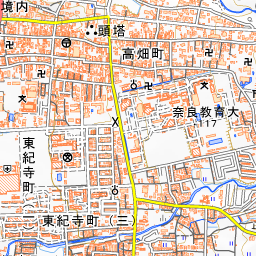
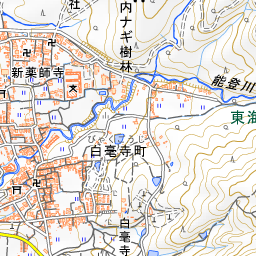
Spot location © OpenStreetMap contributors (ODbL)
Open in Google MapsUse asobot while you walk
- See where you are on the map and find spots nearby
- Listen to the guide's audio in course order, one after another (with subtitles)
- Walk to the next spot while following the map
Open on your phone
Scan to open this spot in asobot on your phone.