 ✨ AI Generated
Horyu-ji Temple
Japanese: 法隆寺
Ikaruga Town, Nara
This information was written by AI and may contain mistakes. Please check official sources for opening hours, fees, and other details before you go.
Found a mistake? Let us know with “✏️ Something's wrong” on this spot's screen in asobot →
🎧 Audio guide(1:02)
In short
Horyu-ji Temple was founded around 607 by Empress Suiko and Prince Shotoku. In 1993, it was inscribed as a World Heritage Site alongside Hoki-ji Temple as the "Buddhist Monuments in the Horyu-ji Area." The Sai-in Precinct's Kondo (Main Hall), Five-Story Pagoda, Chumon (Central Gate), and cloister corridors convey the early Buddhist architectural styles that have not survived in China or Korea.
- Kondo and Five-Story Pagoda: Standing side by side at the center of the Sai-in Precinct. The Kondo is considered the world's oldest extant wooden building, housing a seated statue of Shaka Nyorai crafted to the life-size height of Prince Shotoku.
- Great Treasure Gallery (Daihozo-in): Houses numerous renowned treasures, including the Kudara Kannon statue and the Tamamushi no Zushi (Tamamushi Shrine).
- Yumedono (Hall of Dreams) of the To-in (Eastern Precinct): An octagonal hall standing on the site of the private residence where Prince Shotoku lived. It houses the Guze Kannon statue, said to be a life-size statue of Prince Shotoku.
History and Highlights
The origin of Horyu-ji Temple lies in the wish of Prince Shotoku's father, Emperor Yomei. Wishing for his own recovery from illness, the emperor vowed to build a temple and enshrine a statue of Yakushi Nyorai. However, the emperor passed away after reigning for only two years. Around twenty years later, in about 607, Empress Suiko and Prince Shotoku fulfilled his dying wish by founding Horyu-ji Temple.
The buildings from the time of its founding are believed to have burned down in a fire in 670. Those remains lie beneath the present-day grounds as the Wakakusa Garan archaeological site. The current Sai-in Precinct was reconstructed between the late 7th century and early 8th century. The To-in (Eastern Precinct) was built in the first half of the 8th century.
The Kondo, Five-Story Pagoda, Chumon, and cloister corridors of the Sai-in Precinct display an early Buddhist architectural style that no longer survives in China or Korea. In 1993, Horyu-ji Temple, together with Hoki-ji Temple, was registered as a World Heritage Site under "Buddhist Monuments in the Horyu-ji Area." It is one of the very first sites in Japan to be inscribed as a World Cultural Heritage Site.
Viewing and Experience Points
- Kondo and Five-Story Pagoda: The Chumon is the entrance to the Sai-in Precinct. Kongo Rikishi statues stand on both sides. Beyond the gate, the Kondo and the Five-Story Pagoda stand side by side. The Kondo is considered the world's oldest extant wooden building, and at its center is enshrined a seated statue of Shaka Nyorai made to Prince Shotoku's life-size height. The Five-Story Pagoda stands approximately 32.5 meters tall from its base, with a central pillar running through all five stories.
- Great Treasure Gallery (Daihozo-in): A complex consisting of east and west treasure halls centered around the Kudara Kannon-do Hall. The Kudara Kannon statue stands 209.4 cm tall and is carved from a single piece of camphor wood. The Tamamushi no Zushi takes its name from the iridescent wings of the jewel beetle (tamamushi) that were laid under its metal fittings.
- Yumedono of the To-in: An octagonal hall that the monk Gyoshin vowed to build in 739 as a building to memorialize Prince Shotoku. Inside, it houses the Guze Kannon statue, said to be a life-size image of Prince Shotoku. The statue is normally not shown to the public and is specially unveiled in spring and autumn.
Walking Tips
The Nandaimon (South Great Gate) is the main entrance to Horyu-ji Temple. It stands at the end of a wide approach lined with pine trees. Walk from the Nandaimon to the Chumon to tour the Sai-in Precinct. Afterwards, passing through the Todaimon (East Great Gate) brings you to the Yumedono of the To-in Precinct. The Todaimon is a gate from the Nara period that stands along the path connecting the Sai-in Precinct and the To-in Precinct. Chugu-ji Temple is located about 360 meters east of Horyu-ji Temple. Horin-ji Temple is about a 15-minute walk away, with Hoki-ji Temple lying beyond it. The Fujinoki Kofun Burial Mound is about 350 meters west of the Sai-in Precinct.
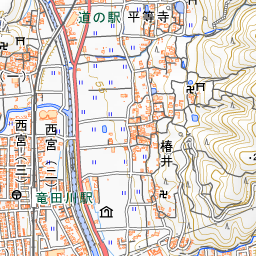
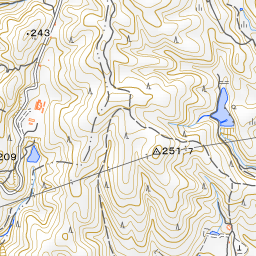
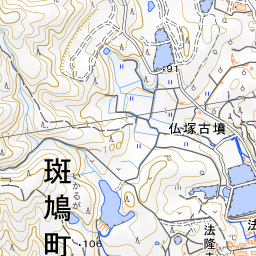
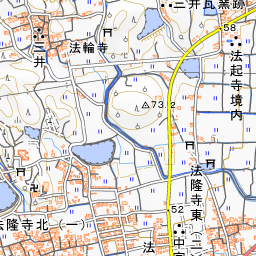
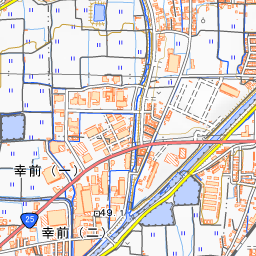
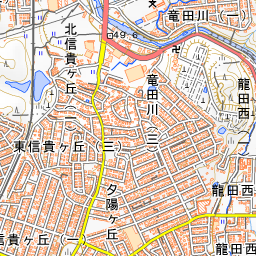
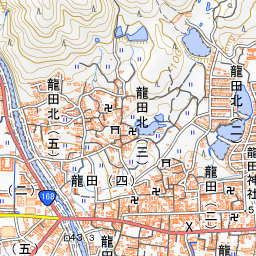
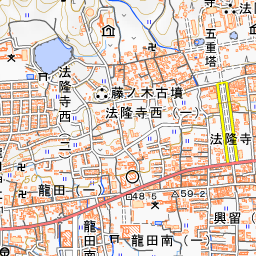
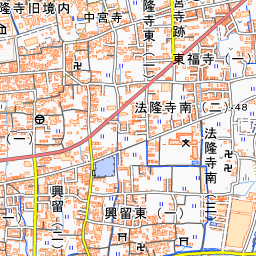

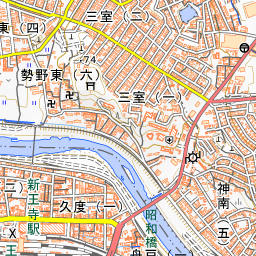
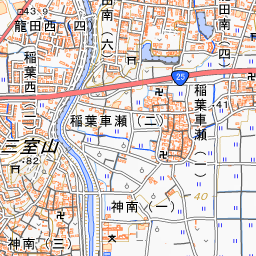
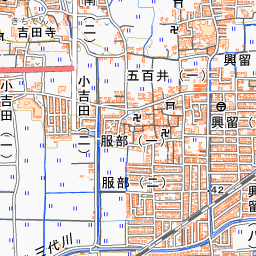
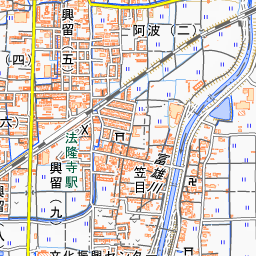
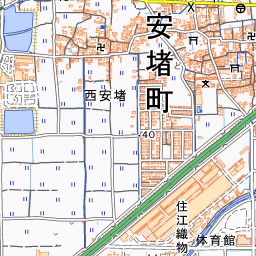
Spot location © OpenStreetMap contributors (ODbL)
Open in Google MapsGuides that include this spot (3)
- Day Trip from Kyoto and Osaka: Horyu-ji and Chugu-ji in the Morning, Todai-ji, Nara Park, and Kofuku-ji in the Afternoon
- The Village of Ikaruga: From Fujinoki Kofun Burial Mound to Horyu-ji, Chugu-ji, Horin-ji, and Hoki-ji Temples
- Day Trip from Osaka: From Horyu-ji Temple and Chugu-ji Temple to Yakushi-ji Temple and Toshodai-ji Temple in Nishinokyo
Use asobot while you walk
- See where you are on the map and find spots nearby
- Listen to the guide's audio in course order, one after another (with subtitles)
- Walk to the next spot while following the map
Open on your phone
Scan to open this spot in asobot on your phone.