 ✨ AI Generated
Kanshin-ji Temple
Japanese: 観心寺
Kawachinagano, Osaka
This information was written by AI and may contain mistakes. Please check official sources for opening hours, fees, and other details before you go.
Found a mistake? Let us know with “✏️ Something's wrong” on this spot's screen in asobot →
🎧 Audio guide(1:16)
In short
A temple of the Koyasan Shingon sect located in Teramoto, Kawachinagano City, with the mountain name (sango) of Hinoozan; its temple grounds are designated as a National Historic Site. The temple is said to have been founded in 701 by En no Gyoja, and it is said that Kobo Daishi Kukai later rebuilt it as a training center for the Shingon sect and renamed it Kanshin-ji Temple. During the Nanboku-cho period, the temple became deeply connected with the Southern Court; Kusunoki Masashige is said to have studied Buddhism within the grounds in his childhood, and Emperor Go-Murakami also temporarily used this temple as an imperial temporary palace (angu).
- The National Treasure Kondo (Main Hall): A National Treasure building constructed at the beginning of the Muromachi period. Based on traditional Japanese style (wayo), it incorporates details of the Daibutsuyo and Zen styles, and is considered a representative example of eclectic architectural style (setchuyo)
- Unveiling of the Principal Image Just Two Days a Year: The seated statue of Nyoirin Kannon, the principal image of the Kondo, is a National Treasure hidden Buddhist image (hibutsu) from the early Heian period, and the doors enclosing it are opened for only two days each year, April 17 and 18
- Tatekake Pagoda: The three-story pagoda that Masashige attempted to build. Because Masashige died in the Battle of Minatogawa while construction was still underway, it remains unfinished. It is a National Important Cultural Property
History and Highlights
Kanshin-ji Temple is a temple of the Koyasan Shingon sect located in Teramoto, Kawachinagano City, with the mountain name (sango) of Hinoozan. Located at the border of the three prefectures of Osaka, Nara, and Wakayama, its temple grounds are designated as a National Historic Site.
The temple is said to have been founded in 701 by En no Gyoja, and was initially called Unshin-ji Temple. Later, Kobo Daishi Kukai is said to have rebuilt it as a training center for the Shingon sect, carved the statue of Nyoirin Kanzeon Bosatsu to serve as the principal image, and renamed the temple to Kanshin-ji Temple. The grounds also contain the grave of Jichie, a disciple of Kukai.
During the Nanboku-cho period, the temple became deeply connected with the Southern Court. Kusunoki Masashige is said to have studied Buddhism at Chu-in Temple within the grounds for about eight years, from his childhood until the age of 15. Later, Masashige became an official overseer (bugyo) and rebuilt the outer sanctuary (gejin) of the Kondo (Main Hall), and also attempted to build a three-story pagoda, but died in the Battle of Minatogawa while construction was still underway. The Tatekake Pagoda, which remains unfinished, is a National Important Cultural Property. It is said that after Masashige was defeated at Minatogawa, Ashikaga Takauji returned his severed head to Kanshin-ji Temple, and a head mound (kubizuka) stands on the grounds. Emperor Go-Murakami also temporarily used this temple as an imperial temporary palace (angu), and following his will after his death, was buried in Hinoo no Misasagi.
Points of Appreciation and Experience
- The National Treasure Kondo (Main Hall): The Kondo is a National Treasure building constructed at the beginning of the Muromachi period. Based on traditional Japanese style (wayo), it incorporates details of the Daibutsuyo and Zen styles, and is considered a representative example of eclectic architectural style (setchuyo).
- Unveiling of the Principal Image Just Two Days a Year: The seated statue of Nyoirin Kannon, the principal image of the Kondo, is a National Treasure from the early Heian period. Carved from a single block of wood (ichiboku-zukuri) and retaining its coloration well, this hidden Buddhist image (hibutsu) is unveiled for only two days each year, April 17 and 18, when the doors enclosing it are opened.
- Temple of Flowers and the Reihokan: The grounds are a famous spot for plum blossoms, cherry blossoms, and autumn leaves, and it is counted as the 25th sacred site of the Kansai Hana no Tera (Kansai Flower Temples). The Reihokan (treasure hall) houses Buddhist statues designated as National Important Cultural Properties, including statues from the Heian period.
Tips for Exploring
To reach the temple, take a Nankai Bus from Kawachi-Nagano Station on the Nankai Koya Line and Kintetsu Nagano Line, and get off at the "Kanshin-ji" stop; the temple is right there. You can also walk about 3 km east from Mikkaichicho Station on the Nankai Koya Line. Visitors can enter the temple only through the Sanmon gate, beside which stands a bronze statue of Kusunoki Masashige. Also located in Kawachinagano City, about 6.4 km to the west, is Kongo-ji Temple, which also served as an imperial temporary palace for Emperor Go-Murakami. Visiting both together allows you to trace the history of the Nanboku-cho period more deeply.


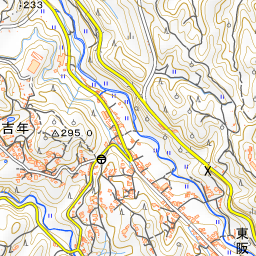


Spot location © OpenStreetMap contributors (ODbL)
Open in Google MapsGuides that include this spot (1)
Use asobot while you walk
- See where you are on the map and find spots nearby
- Listen to the guide's audio in course order, one after another (with subtitles)
- Walk to the next spot while following the map
Open on your phone
Scan to open this spot in asobot on your phone.