 ✨ AI Generated
Asahi Group Oyamazaki Villa Museum of Art
Japanese: アサヒグループ大山崎山荘美術館
Oyamazaki Town, Kyoto
This information was written by AI and may contain mistakes. Please check official sources for opening hours, fees, and other details before you go.
Found a mistake? Let us know with “✏️ Something's wrong” on this spot's screen in asobot →
🎧 Audio guide(0:58)
In short
An art museum at the southern foot of Mt. Tennozan. Its Main Building, Oyamazaki Villa, is a villa that the businessman Kaga Shotaro built from the Taisho to the Showa period. When a plan to demolish it arose in 1989, a preservation movement started, centered on local residents, and at the request of Kyoto Prefecture and Oyamazaki Town, Asahi Breweries restored the villa to its original state and made it an art museum. It opened in 1996.
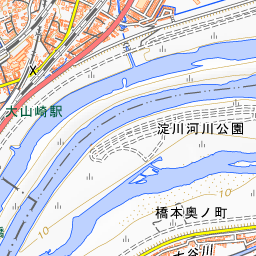
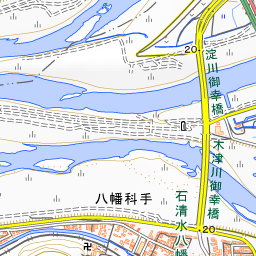
- The British-style Main Building and terrace: The Main Building, which uses the half-timbering method, is a national Registered Tangible Cultural Property. From the tea room on the second-floor terrace, you can look down on the scenery of three rivers: the Kizu, Uji, and Katsura Rivers
- Ando Tadao's Underground Wing: A cylindrical exhibition room built semi-underground, where Claude Monet's Water Lilies series is on permanent display
- Mingei masterpieces and the garden: The core of the collection is that of Yamamoto Tamesaburo, the first president of Asahi Breweries, mainly ceramics by Kawai Kanjiro, Hamada Shoji, Bernard Leach, and others. In the garden of about 5,500 tsubo, you can enjoy the scenery of each season
History and Highlights
The Asahi Group Oyamazaki Villa Museum of Art is an art museum located at the southern foot of Mt. Tennozan. The Main Building, "Oyamazaki Villa," is a villa built from the Taisho to Showa periods by the Kansai businessman Kaga Shotaro. In his youth, Kaga traveled and studied in Europe. Drawing on his memories of the flow of the River Thames viewed from Windsor Castle in England, he sought land in Oyamazaki, where three rivers converge, and began constructing the villa in 1912.
After Kaga passed away, the villa left the hands of the Kaga family, and in 1989, a plan arose to demolish it and build a large condominium complex. A preservation movement started, centered around local residents, and at the request of Kyoto Prefecture and Oyamazaki Town, Asahi Breweries restored the villa to its original state and opened it to the public as an art museum in 1996. In 2004, six buildings of the villa, including the Main Building, the Seikaro watchtower, and the Rokando tunnel at the garden entrance, were designated as national Registered Tangible Cultural Properties.
Viewing and Experience Highlights
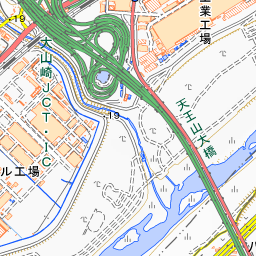
- British-Style Main Building and Terrace: The Main Building is a structure incorporating the half-timbering method characteristic of the English Tudor Gothic style, showing its wooden framework, and its current form is thought to have been completed around 1932. From the second-floor terrace, which serves as a tea room, you can look down on the scenery where the three rivers—the Kizu River, Uji River, and Katsura River—flow.
- Tadao Ando's Underground Wing and Yamate Wing: When reborn as an art museum, the Underground Wing, "Underground Jewel Box," designed by architect Ando Tadao was added. Built semi-underground to harmonize with the surrounding landscape, its cylindrical exhibition room permanently displays Claude Monet's Water Lilies series. In 2012, the box-shaped Yamate Wing "Dream Box" was also completed.
- Masterpieces of Mingei and the Four Seasons Garden: The core of the collection is the collection of Yamamoto Tamesaburo, the first president of Asahi Breweries, which was donated when the museum opened. It mainly features ceramics by Kawai Kanjiro, Hamada Shoji, Bernard Leach, and others associated with the Mingei (Folk Crafts) movement that Yamamoto supported. In the garden of approximately 5,500 tsubo (approx. 18,000 square meters), you can enjoy scenery of each season, including cherry blossoms in spring, water lilies blooming in the pond from June to August, and autumn foliage.
Walking Tips
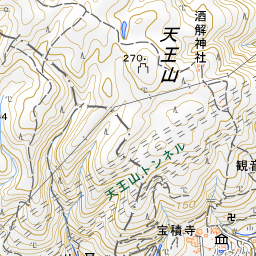
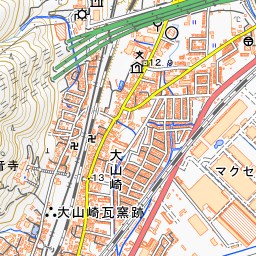
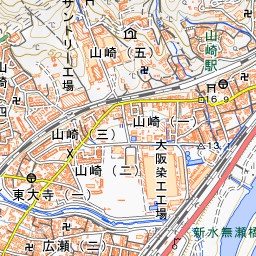
It is about a 10-minute walk from JR Yamazaki Station and Hankyu Oyamazaki Station. From in front of the tunnel at the garden entrance to the entrance of the Main Building is a gentle uphill walk of about 300 meters. There is no parking lot, and cars cannot enter the grounds. You can also tour it together with nearby Chochikukyo and Hoshaku-ji Temple.
Guides that include this spot (1)
Use asobot while you walk
- See where you are on the map and find spots nearby
- Listen to the guide's audio in course order, one after another (with subtitles)
- Walk to the next spot while following the map
Open on your phone
Scan to open this spot in asobot on your phone.