 ✨ AI Generated
Tomioka Hachimangu Shrine
Japanese: 富岡八幡宮
Koto City, Tokyo
This information was written by AI and may contain mistakes. Please check official sources for opening hours, fees, and other details before you go.
Found a mistake? Let us know with “✏️ Something's wrong” on this spot's screen in asobot →
🎧 Audio guide(1:06)
In short
Tomioka Hachimangu Shrine is a shrine in Monzen-nakacho affectionately known as "Fukagawa's Hachiman-sama." Founded in 1627 (the 4th year of Kanei), it is also referred to as "Edo's largest Hachiman-sama." It is the birthplace of Edo kanjin sumo (fundraising sumo tournaments), and its annual festival, the "Fukagawa Hachiman Festival," is counted as one of Edo's three major festivals.
- Yokozuna Sumo Wrestler Monument: A 3.5-meter-tall stone monument inscribed with the ring names of successive yokozuna (grand champions) stands on the grounds
- Golden Grand Mikoshi: Donated in 1991 (Heisei 3), this "Japan's No. 1 Golden Grand Mikoshi" stands about 4.4 meters tall
- Bronze Statue of Ino Tadataka: A statue of Ino Tadataka, who never failed to visit and pray here before departing on his surveying journeys, stands beside the Otorii (grand torii gate)
History and Highlights
Tomioka Hachimangu Shrine was founded in 1627 (the 4th year of Kanei) by divine revelation at its current location, which was called "Eitaijima Island" at the time. The surrounding sandbars were reclaimed to create land for the shrine and residences for parishioners. The main enshrined deity is Emperor Ojin. Affectionately called "Fukagawa's Hachiman-sama," it is also known as "Edo's largest Hachiman-sama." During the Edo period, it received generous patronage from the Tokugawa shogunate family, who revered Hachiman Okami, the tutelary deity of the Genji clan.
The shrine grounds are the birthplace of Edo kanjin sumo. In 1684 (the 1st year of Jokyo), the shogunate permitted two kanjin sumo tournaments per year, in spring and autumn, to be held on these grounds. For about 100 years thereafter, official grand tournaments were held within the shrine grounds, during which the system of regular tournaments and the banzuke (ranking list) was established.
The annual festival, held centered around August 15, is called the "Fukagawa Hachiman Festival" and is counted as one of Edo's three major festivals, along with the Sanno Festival and the Kanda Festival. In the main festival held once every three years, 53 neighborhood mikoshi (portable shrines) parade together. It is also known as the "Water-Throwing Festival" because onlookers along the route throw purifying water over the bearers.
Points for Viewing and Experience
- Yokozuna Sumo Wrestler Monument: This monument was erected in 1900 (Meiji 33) at the initiative of Jinmaku Kyugoro, the 12th yokozuna. It is inscribed with the ring names of successive yokozuna, beginning with the first, Akashi Shiganosuke. It stands 3.5 meters high and weighs 20 tons. When a new yokozuna is born, an inscription ceremony is held and a ceremonial ring entrance (dohyo-iri) is dedicated. An Ozeki Sumo Wrestler Monument also stands on the grounds.
- Japan's No. 1 Golden Grand Mikoshi: The gold-plated miyamikoshi (the shrine's own portable shrine), said to have been donated by Kinokuniya Bunzaemon, was destroyed by fire in the Great Kanto Earthquake. The Ichinomiya mikoshi donated in 1991 (Heisei 3) is approximately 4.4 meters tall, weighs approximately 4.5 tons, and uses 24 kilograms of pure gold on its roof. The mikoshi is housed in a mikoshi repository and can be viewed through the glass.
- Bronze Statue of Ino Tadataka: Erected beside the Otorii in 2001 (Heisei 13). Ino Tadataka lived nearby in Fukagawa Kuroe-cho and always visited this shrine to pray whenever he departed on a surveying trip. Set against a map of Japan created by Ino carved in black granite, the bronze statue depicts the 55-year-old Tadataka taking his first step toward his surveying work.
Tips for Strolling
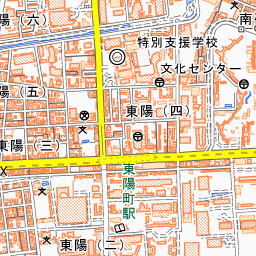
It is a 3-minute walk from Monzen-nakacho Station on the Tokyo Metro Tozai Line. As you enter through the Otorii from Eitai-dori Avenue and proceed down the approach, the stone monuments for sumo wrestlers line up on the right, while the statue of Ino Tadataka and the mikoshi repository are on the left. On the 1st, 15th, and 28th of each month, temple fairs (ennichi) are held, with street stalls lining the area around Monzen-nakacho Station. It can be visited together with Fukagawa Fudoson Temple, located about 200 meters to the northwest. A walk of about 1 kilometer north brings you to Kiyosumi Gardens and the Koto City Fukagawa Edo Museum.
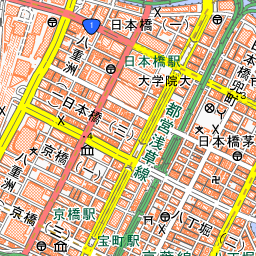
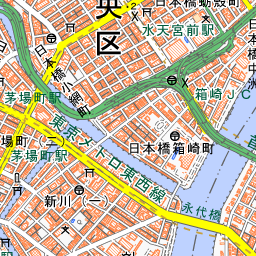
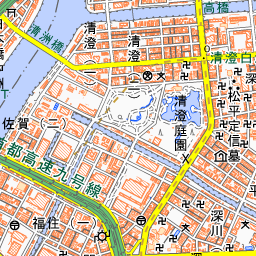
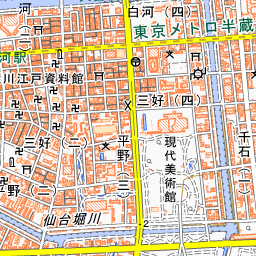
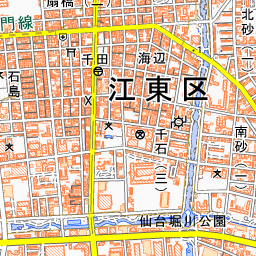

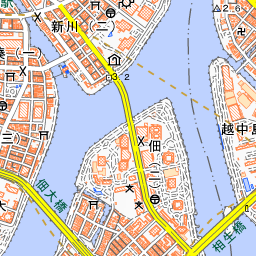
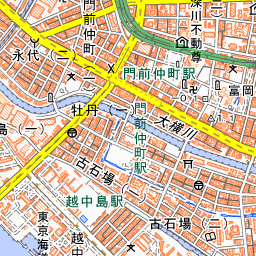
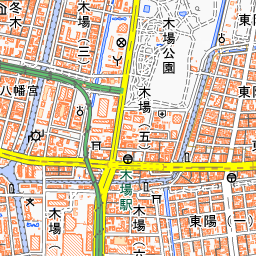
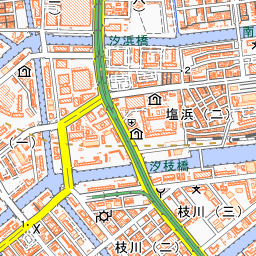
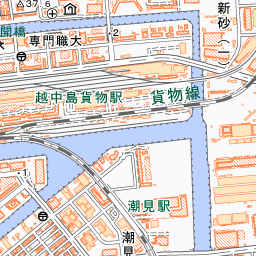
Spot location © OpenStreetMap contributors (ODbL)
Open in Google MapsGuides that include this spot (1)
Use asobot while you walk
- See where you are on the map and find spots nearby
- Listen to the guide's audio in course order, one after another (with subtitles)
- Walk to the next spot while following the map
Open on your phone
Scan to open this spot in asobot on your phone.