 ✨ AI Generated
Kyuan-ji Temple
Japanese: 久安寺
Ikeda, Osaka
This information was written by AI and may contain mistakes. Please check official sources for opening hours, fees, and other details before you go.
Found a mistake? Let us know with “✏️ Something's wrong” on this spot's screen in asobot →
🎧 Audio guide(1:15)
In short
A temple of the Koyasan Shingon sect with the mountain name (sango) of Daitakusan. It originated as "Anyo-in," said to have been founded in 725 (Jinki 2) by Gyoki, which flourished as a training hall for Shingon Esoteric Buddhism when Kobo Daishi stayed there. In 1145 (Kyuan 1), it was rebuilt as an imperial prayer temple (chokuganji) of Emperor Konoe and renamed Kyuan-ji Temple. Today, it is known as a flower-viewing spot and is the 12th temple on the Kansai 25 Hana no Tera Pilgrimage.
- Romon Gate, an Important Cultural Property of Japan: A three-bay, one-opening romon gate housing statues of the Kongo Rikishi (guardian deities). The graceful lines of its roof are the beauty created by a technique of eaves that curve upward with no horizontal line
- Thousand-Armed Kannon and Seated Amida Nyorai Statue: The main hall serves as the Kannon-do hall housing the principal image of the Thousand-Armed Kannon, which is a hidden Buddha (hibutsu). The Amida-do hall enshrines a wooden seated statue of Amida Nyorai from the Heian period, a national Important Cultural Property, which can be viewed on public opening days
- Mandala Garden "Koku-en": A garden centered around the "Ban-ji Pond" which, together with "A-ji Hill," the small hill to the east across the approach, is called Koku-en and is also known as the "Mandala Garden." Sanko-sha is enshrined on A-ji Hill, where Hideyoshi is said to have hosted a moon-viewing gathering
History and Highlights
Kyuan-ji Temple is a temple of the Koyasan Shingon sect located in Fushio-cho, Ikeda City, with the mountain name (sango) of Daitakusan. It is said to have been founded in 725 by Gyoki, originating as "Anyo-in," which flourished as a training hall for Shingon Esoteric Buddhism when Kobo Daishi stayed there during the Tencho era (824–834). Although Anyo-in burned down in 1140, it is handed down that the principal image of the Thousand-Armed Kannon flew onto a rock and emitted light. In 1145, the romon gate, halls, and pagoda complex were rebuilt as an imperial prayer temple (chokuganji) of Emperor Konoe, and it was renamed Kyuan-ji Temple.
In the Azuchi-Momoyama period, Toyotomi Hideyoshi visited to worship, and in the Edo period, the waka poet Hirama Choga lived here and helped spread devotion to Kannon. The temple kept its Dharma lamp burning through repeated declines and recoveries, and during a revival project in the Showa period, various halls were erected and the garden "Koku-en" was laid out. Today, it is known as a flower-viewing spot and is the 12th temple on the Kansai 25 Hana no Tera Pilgrimage. The temple grounds and approach are adorned by seasonal blossoms such as hydrangeas, peonies, Hirado azaleas, lotuses, and autumn foliage.
Sights and Experiences
- Romon Gate, an Important Cultural Property of Japan: The temple visit begins at the three-bay, one-opening romon gate housing statues of the Kongo Rikishi (guardian deities). The graceful lines of the roof derive from a technique that creates eaves with continuous upward curves and no horizontal line. A dismantling survey conducted in 1959 estimated that it was either reconstructed or underwent a major repair at the beginning of the Muromachi period.
- Thousand-Armed Kannon and Seated Amida Nyorai Statue: The main hall serves as the Kannon-do hall housing the principal image of the Thousand-Armed Kannon, which is a hidden Buddha (hibutsu). The Amida-do hall enshrines a wooden seated statue of Amida Nyorai from the Heian period, which is designated as a national Important Cultural Property. The Amida-do can be viewed on designated public opening days.
- Mandala Garden "Koku-en": Centered around the "Ban-ji Pond" that spreads to the north of the main hall, this garden, together with "A-ji Hill" across the approach to the east, is called Koku-en, and is also known as the "Mandala Garden." Sanko-sha is enshrined on A-ji Hill, where Hideyoshi is said to have hosted a moon-viewing gathering.
Walking Tips
Take a Hankyu Bus from Hankyu Ikeda Station for about 15 minutes and get off at "Kyuan-ji," and the temple is right there. To the right of the Miei-do hall extends the "Mirokusan Forest Bathing Pilgrimage Course," where visitors can perform the osunafumi (sand-stepping pilgrimage representing the 88 temples of Shikoku); it offers a walk of about 1,080 meters (around 1 hour) looping around the mountain within the temple grounds. Passing through the romon gate reveals a path of moss-covered stone walls and old maple trees. The venerable kaya (Japanese nutmeg) tree, said to have been planted by Hideyoshi when he visited the temple, is another sight not to be missed.


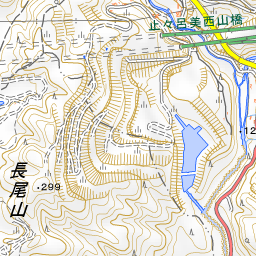
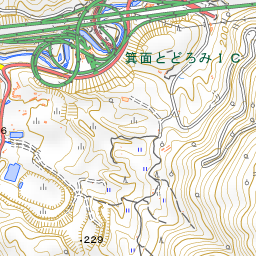


Spot location © OpenStreetMap contributors (ODbL)
Open in Google MapsUse asobot while you walk
- See where you are on the map and find spots nearby
- Listen to the guide's audio in course order, one after another (with subtitles)
- Walk to the next spot while following the map
Open on your phone
Scan to open this spot in asobot on your phone.