 ✨ AI Generated
Otori-jinja Shrine
Japanese: 鷲神社
Taito City, Tokyo
This information was written by AI and may contain mistakes. Please check official sources for opening hours, fees, and other details before you go.
Found a mistake? Let us know with “✏️ Something's wrong” on this spot's screen in asobot →
🎧 Audio guide(1:02)
In short
Otori-jinja Shrine enshrines Amenohiwashi-no-Mikoto and Yamatotakeru-no-Mikoto, and is affectionately known as "Otori-sama." It is known for its annual festival, "Tori no Ichi," held on the Days of the Rooster (Tori no Hi) in November, which bustles with crowds seeking kumade (bamboo rakes).
- Tori no Ichi: Begins at the signal of the first drum roll at midnight on the Day of the Rooster. According to the shrine, there are around 150 kumade stalls, drawing crowds of 700,000 to 800,000 visitors every year.
- Nade-Okame: An Okame mask that is believed to bestow different blessings depending on which part of the face you stroke. Outside the Tori no Ichi period, it can be viewed directly in front of the worship hall (haiden).
- Haiku and Literary Monuments: In the precincts stand haiku stone monuments by Masaoka Shiki and Kikaku, as well as a literary monument to Higuchi Ichiyo.
History and Highlights
According to shrine tradition, Otori-jinja Shrine began when Amenohiwashi-no-Mikoto, a deity renowned for good fortune and business prosperity, was enshrined at this site. Later, Yamatotakeru-no-Mikoto stopped by to pray for victory during his expedition to subjugate the eastern barbarians (Toi Seito), and on his return, hung a rake-shaped weapon on a pine tree in front of the shrine to celebrate the triumph. That day was a Day of the Rooster in November, so it was made the shrine's annual festival day, and this is the origin of Tori no Ichi. Due to this historical tale, Yamatotakeru-no-Mikoto is also enshrined alongside.
Tori no Ichi was formerly called "Tori no Machi" (the Rooster Festival). Because a market (ichi) grew around the festival, the kanji character for market eventually came to be used. It is known that it was already considerably bustling during the Horeki and Meiwa eras (1751–1772). During the Edo period, Otori-jinja Shrine in Hanahata, Adachi Ward was called "Kami-Tori" (Upper Rooster), Shosen-ji Temple in Senju was called "Naka-Tori" (Middle Rooster), and Otori-jinja Shrine in Asakusa was called "Shimo-Tori" (Lower Rooster).
To the east was the Shin-Yoshiwara pleasure quarters, and it is said that the grounds of the quarter were opened to the public on the festival day. Higuchi Ichiyo wrote in Takekurabe (Growing Up) that "the bustle of Otori-jinja Shrine was tremendous." The annual festival was held even in the year of the Great Kanto Earthquake, during the war, and in the year the war ended.
Appreciation & Experience Highlights
- Tori no Ichi Kumade: Tori no Ichi begins at midnight on the Day of the Rooster at the signal of the first drum. According to the shrine, there are around 150 kumade stalls and about 750 street stalls, drawing 700,000 to 800,000 visitors each year. It is customary to first offer prayers, receive a kumade talisman (kakkome) granted only during Tori no Ichi, and then choose an auspicious decorative kumade. Leaving the bargained-down difference with the shopkeeper as a "tip" (goshugi) and performing a rhythmic hand-clapping ritual (tejime) is said to be the stylish way of buying them, a custom handed down since the Edo period.
- Nade-Okame: Specific blessings are believed to be granted depending on the spot stroked: stroking her forehead brings wisdom, stroking her nose brings financial luck, and stroking her mouth wards off disaster, among others. Outside of the Tori no Ichi period, it can be viewed right in front of the worship hall.
- Haiku and Literary Monuments: There are haiku monuments featuring Masaoka Shiki's verse, "Noise and bustle / pushing against each other with rakes / at the Tori no Ichi," and Kikaku's verse, "The beginning of waiting for spring / Tori no Ichi." A literary monument to Higuchi Ichiyo and an inscribed stone with the text of a letter addressed to her mentor, Nakarai Tosui, also stand here.
Walking Tips
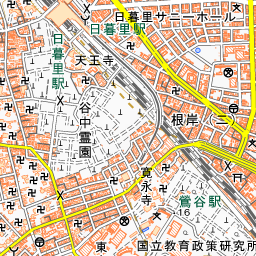
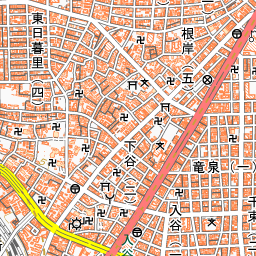
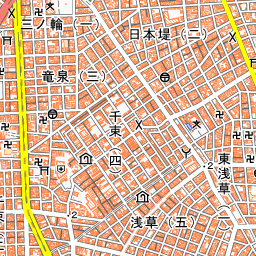
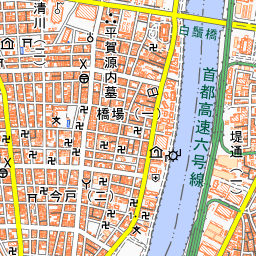
A large vermilion torii gate serves as the landmark. It is about a 9-minute walk from Iriya Station on the Tokyo Metro Hibiya Line, and about an 11-minute walk from Asakusa Station on the Tsukuba Express. From Asakusa Station on the Ginza and Toei Asakusa Lines, it takes about 23 minutes on foot. Tori no Ichi is also held at the adjacent Chokoku-ji Temple, and large-scale traffic restrictions are in place on surrounding roads on festival days. The shrine is one of the stops on the Asakusa Meisho Shichifukujin (Seven Lucky Gods) pilgrimage, and Jurojin is enshrined here. Asakusa Hanayashiki lies about 820 meters to the south, and Imado-jinja Shrine is located about 1.1 km to the east.

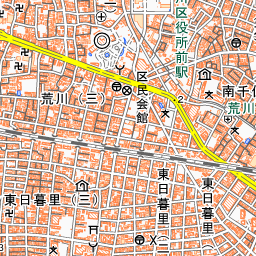
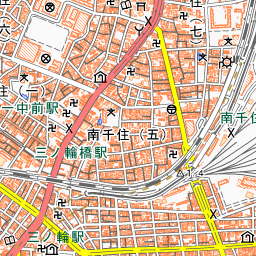
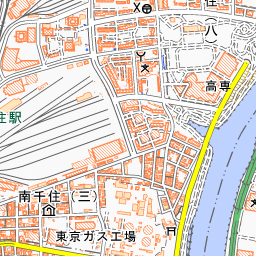
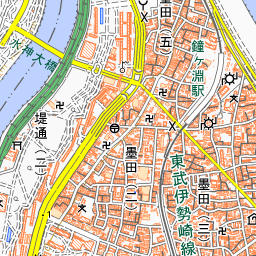


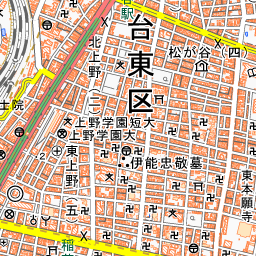

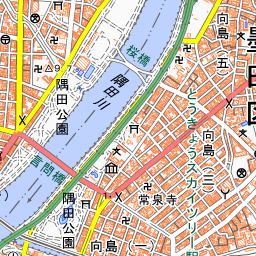
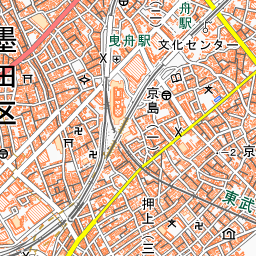
Spot location © OpenStreetMap contributors (ODbL)
Open in Google MapsUse asobot while you walk
- See where you are on the map and find spots nearby
- Listen to the guide's audio in course order, one after another (with subtitles)
- Walk to the next spot while following the map
Open on your phone
Scan to open this spot in asobot on your phone.