 ✨ AI Generated
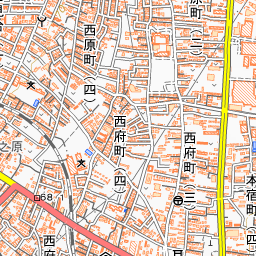
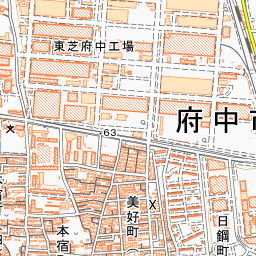
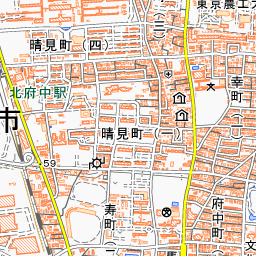
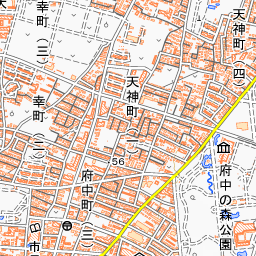
Baba Daimon Zelkova Avenue
Japanese: 馬場大門のケヤキ並木
Fuchu, Tokyo
This information was written by AI and may contain mistakes. Please check official sources for opening hours, fees, and other details before you go.
Found a mistake? Let us know with “✏️ Something's wrong” on this spot's screen in asobot →
🎧 Audio guide(1:12)
In short
Baba Daimon Zelkova Avenue is a tree-lined approach that extends about 600 meters north from the Grand Torii Gate of Okunitama-jinja Shrine. In 1924 (Taisho 13), it was designated a national Natural Monument. As an avenue of zelkova trees, it is said to be the only one in Japan designated as a national Natural Monument.
- Green Tunnel: More than 100 trees, including zelkovas and hackberries, stretch out like a green tunnel. This includes ancient trees dating back to the early Edo period.
- Two Origin Legends: Stories are passed down of saplings donated by the father-son duo Minamoto no Yoriyoshi and Minamoto no Yoshiie in the late Heian period, as well as the donation of horse-riding grounds by Tokugawa Ieyasu.
- Bronze Statue of Minamoto no Yoshiie: Walking north from the Grand Torii Gate, it stands on the right-hand sidewalk. Standing 2.2 meters high, it depicts Yoshiie at the age of 23.
History and Highlights
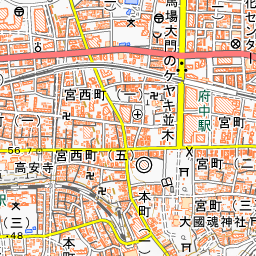
Baba Daimon Zelkova Avenue is a tree-lined approach extending north from Okunitama-jinja Shrine. It continues for about 600 meters from the Grand Torii Gate, passing near Fuchu Station on the Keio Line along the way. It was designated a national Natural Monument on December 9, 1924 (Taisho 13). As a zelkova tree avenue, it is considered the only one in Japan designated as a national Natural Monument.
There are several theories regarding the origin of this tree-lined avenue. One relates to Minamoto no Yoriyoshi and his son Yoshiie, who were active in the late Heian period. It is said that when heading to Mutsu Province during the Early Nine Years' War (Zenkunen no Eki), they prayed for victory at Rokusho-no-Miya—today's Okunitama-jinja Shrine—and donated saplings upon their triumphant return. While it is said that 1,000 zelkova saplings were donated, none of the zelkovas from that time remain today.
Another theory involves Tokugawa Ieyasu. He is said to have donated a horse-riding ground (baba) and supplemented it by planting zelkova saplings in gratitude for his victories at the Battle of Sekigahara and the Siege of Osaka. The name "Baba" in this area is said to originate from this donation. The conservation and management plan of Fuchu City considers that the zelkovas donated in Ieyasu's era were protected and nurtured across generations by the Tokugawa Shogunate, leading to the avenue seen today.
At the time of its designation, more than 60 giant trees with trunk circumferences exceeding 3 meters lined the avenue. Today, there are approximately 120 zelkovas, forming an avenue with relatively wide spacing between the trees.
Highlights of Appreciation and Experience
- Green Tunnel: More than 100 trees, including zelkovas and hackberries, line the path, including ancient trees surviving from the early Edo period. According to the shrine's guide, the oldest zelkova is said to be around 400 years old.
- Bronze Statue of Minamoto no Yoshiie: If you walk north from the Grand Torii Gate, it stands on the right-hand sidewalk. It stands 2.2 meters high and was erected in 1992 (Heisei 4). It depicts the 23-year-old Yoshiie rejoicing over victory in the Early Nine Years' War.
- Site of the Great Zelkova Stump: The bronze statue stands on the site of a former great zelkova stump. Because the ancient tree that once stood here was almost completely withered, it was felled in 1981 (Showa 56). A cross-section specimen of that tree is preserved at Fuchu City Kyodo-no-Mori Museum.
Walking Tips
From the south exit of Fuchu Station on the Keio Line, the avenue is about a 2-minute walk away. On Sundays and public holidays, traffic regulations are in place from noon to 6:00 p.m., allowing for a relaxed stroll.
Walking south along the avenue brings you to the Grand Torii Gate. Visiting Okunitama-jinja Shrine and then extending your walk to the Musashi Kokufu Site on the east side of the shrine allows you to trace the history of Fuchu.
During Okunitama-jinja Shrine's Kurayami Matsuri festival, 22 floats parade from late afternoon into the evening on May 4, centered around the Old Koshu Kaido Highway in front of the Grand Torii Gate and this avenue.

Guides that include this spot (1)
Use asobot while you walk
- See where you are on the map and find spots nearby
- Listen to the guide's audio in course order, one after another (with subtitles)
- Walk to the next spot while following the map
Open on your phone
Scan to open this spot in asobot on your phone.