 ✨ AI Generated
Shiramine-jingu Shrine
Japanese: 白峯神宮
Kamigyo Ward, Kyoto
This information was written by AI and may contain mistakes. Please check official sources for opening hours, fees, and other details before you go.
Found a mistake? Let us know with “✏️ Something's wrong” on this spot's screen in asobot →
🎧 Audio guide(1:09)
In short
A shrine dedicated to Emperor Sutoku, the 75th emperor, who met an unfortunate fate in the Hogen Rebellion, and Emperor Junnin, the 47th emperor. Inheriting the wishes of Emperor Komei, who had attempted to bring Emperor Sutoku to Kyoto, Emperor Meiji built a new shrine pavilion at the current site in the 9th month of 1868 (Keio 4) and received Emperor Sutoku. The shrine grounds are the former site of the residence of the Asukai family, a court noble house that was the head family of waka poetry and kemari (ancient Japanese football), and today the shrine is revered as the "god of balls."
- Jishu-sha Shrine Enshrining Sei Daimyojin: Sei Daimyojin, whom the Asukai family enshrined for generations as their guardian deity, is enshrined at the Jishu-sha shrine on the grounds, and is said to bring blessings for improvement in ball games, sports, and the performing arts. Kemari is dedicated during the Emperor Junnin Festival on April 14 and the Sei Daimyojin Festival on July 7
- The Famous Water "Asukai": A well that Sei Shonagon cited as one of the famous waters in The Pillow Book. Among the wells mentioned there, this is said to be the only one clearly remaining today
- Ogatama Tree: The ogatama-no-ki on the grounds is a large tree approximately 13 meters tall, designated as a Natural Monument of Kyoto City as the largest of its kind in Kyoto. In spring, it blooms with white, fragrant flowers
History and Highlights
Shiramine-jingu Shrine is a shrine dedicated to Emperor Sutoku, the 75th emperor who met an unfortunate fate in the Hogen Rebellion, and Emperor Junnin, the 47th emperor. In the late Edo period, Emperor Komei attempted to welcome and enshrine the spirit of Emperor Sutoku in Kyoto from the Shiramine Imperial Mausoleum in Sakaide, Shikoku, but passed away before achieving this. Inheriting his wishes, Emperor Meiji built a new shrine pavilion at the current site in September 1868 (Keio 4) and welcomed Emperor Sutoku. In 1873 (Meiji 6), the divine spirit of Emperor Junnin was also transferred from his mausoleum on Awaji Island, and in 1940 (Showa 15), it became a Kanpei-taisha (Imperial Shrine of the First Rank) and its name was changed to "Shiramine-jingu Shrine."
The shrine grounds are the former site of the residence of the Asukai family, a court noble house that was the head family of waka poetry and kemari (ancient Japanese football). The shrine inherited the worship of Sei Daimyojin, whom the Asukai family had enshrined within the estate for generations as their guardian deity, and today this deity is revered as the "god of balls." Official balls used in various sports, including those from the Japan Football Association, are dedicated here, and many people visit to pray for improvement in ball games and other sports.
Points for Viewing and Experiencing
- Jishu-sha Shrine Enshrining Sei Daimyojin: Sei Daimyojin is enshrined at the Jishu-sha shrine on the grounds, and is said to bring blessings for improvement in ball games, sports, and the performing arts. Nearby stands the Kemari Monument, erected in 2001 (Heisei 13) to commemorate the 100th anniversary of the Kemari Preservation Society.
- The Famous Water "Asukai" and Senryu-i Well: The "Asukai" well at the chozuya (water purification pavilion) is one of the wells cited as famous waters by Sei Shonagon in The Pillow Book. Among the wells mentioned there, this is said to be the only one clearly remaining today. The Senryu-i well, located about 50 meters away, is regarded as the sacred object (goshintai) of Senryu-sha shrine, which venerates a water deity.
- Ogatama Tree, a Natural Monument of Kyoto City: The ogatama-no-ki (magnolia compressa) on the grounds is a large tree approximately 13 meters tall, designated as a Natural Monument of Kyoto City as the largest of its kind in Kyoto. In spring, it blooms with white, fragrant flowers.
Walking Tips
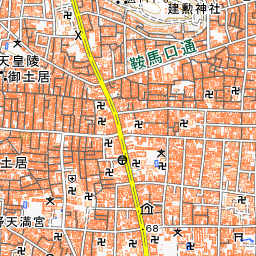
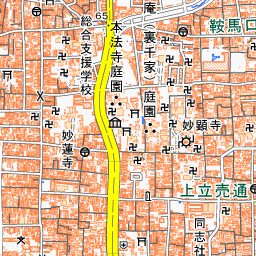
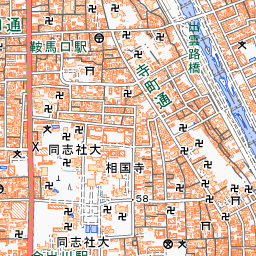
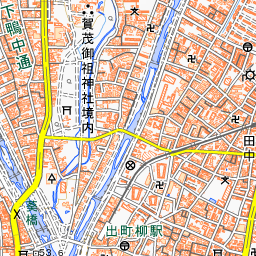
Kemari is dedicated during the Emperor Junnin Festival on April 14 and the Sei Daimyojin Festival on July 7. The shrine is right next to the "Horikawa Imadegawa" city bus stop, and about an 8-minute walk west from Imadegawa Station on the Karasuma Subway Line. Seimei-jinja Shrine is also located just over 300 meters to the southwest, making it convenient to visit both together.
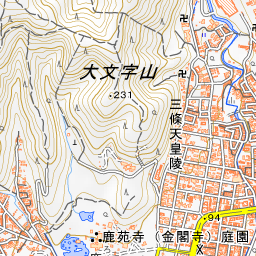
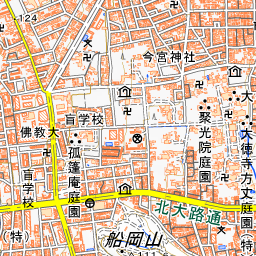
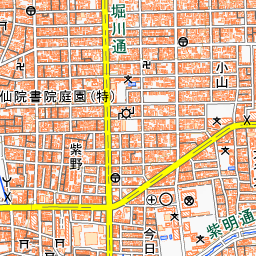

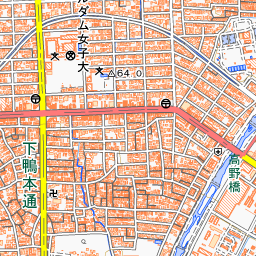



Spot location © OpenStreetMap contributors (ODbL)
Open in Google MapsUse asobot while you walk
- See where you are on the map and find spots nearby
- Listen to the guide's audio in course order, one after another (with subtitles)
- Walk to the next spot while following the map
Open on your phone
Scan to open this spot in asobot on your phone.