 ✨ AI Generated
Koetsu-ji Temple
Japanese: 光悦寺
Kita Ward, Kyoto
This information was written by AI and may contain mistakes. Please check official sources for opening hours, fees, and other details before you go.
Found a mistake? Let us know with “✏️ Something's wrong” on this spot's screen in asobot →
🎧 Audio guide(1:03)
In short
Koetsu-ji Temple is a temple of the Nichiren sect with the mountain name Taikyozan. In 1615 (Genna 1), Hon'ami Koetsu was granted this land of Takagamine by Tokugawa Ieyasu, and moved here along with his clan and craftsmen to establish an artists' village. The thatched hut and the Hokke Daimoku-do hall that Koetsu built were the origin of the temple, and after Koetsu passed away, the ancestral tablet hall of the Hon'ami family was converted into a temple, which is the Koetsu-ji Temple of today.
- Koetsu-gaki Fence: A bamboo fence surrounding the Taikyo-an teahouse. Because its gentle curve is likened to a lying cow, it is also called "Gagyugaki"
- Teahouses Scattered Across the Grounds: Seven teahouses, including Taikyo-an and Ryojaku-ken, stand in various parts of the garden
- Mountain Ridges Viewed from the Garden: One can look out toward Takagamine and Washigamine nearby, and the mountain ridge of the Thirty-Six Peaks of Higashiyama in the distance
History and Highlights
Koetsu-ji Temple is a temple of the Nichiren sect with the mountain name Taikyozan. In 1615 (the first year of the Genna era), Hon'ami Koetsu, a cultural figure of the early Edo period, was granted this land of Takagamine by Tokugawa Ieyasu, and moved here along with his clan and craftsmen to establish an artists' village. In addition to sword appraisal, Koetsu excelled in calligraphy, ceramics, painting, and maki-e lacquerware, and was also active as a leader in the arts.
Koetsu built a thatched hut and erected a Hokke Daimoku-do hall on this land, which was the origin of the temple. After Koetsu passed away in 1637, the ancestral tablet hall of the Hon'ami family was converted into a temple with Nichiji Shonin of Honpo-ji Temple invited as its founding priest, which is the Koetsu-ji Temple of today. The temple is said to have been founded in 1656 (the second year of the Meireki era). As a result, the temple bearing his name remains on the land where Koetsu lived with his clan.
Points for Viewing and Experiencing
- Koetsu-gaki Fence: The bamboo fence surrounding the Taikyo-an teahouse is called the "Koetsu-gaki." It is a fence made by weaving split bamboo diagonally to form diamond-shaped patterns. It stands about 2 meters high at its northern end, but gently slopes down to reach the ground as it extends southward for about 18 meters. Because of this gentle curve, it is likened to a lying cow and is also called "Gagyugaki" (lying-cow fence).
- Teahouses Scattered Across the Grounds: On the temple grounds, there are seven teahouses, including Taikyo-an and Ryojaku-ken. Teahouses with differing atmospheres stand in various parts of the garden, allowing visitors to walk around and compare their distinct appearances.
- Mountain Ridges Viewed from the Garden: From within the garden, one can look out toward Takagamine and Washigamine nearby, and the mountain ridge of the Thirty-Six Peaks of Higashiyama in the distance. It is an expansive view characteristic of a temple nestled in the mountains of Rakuhoku.
Strolling Tips
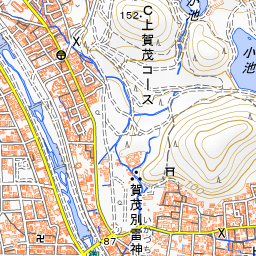
It is about a 3-minute walk after getting off at the "Takagamine Genkoan-mae" Kyoto City Bus stop. In autumn, the approach at the entrance is dyed with autumn foliage, creating an atmospheric view together with the stone pavement. Genko-an Temple and Josho-ji Temple are also located in the same Takagamine area and are introduced as separate spots. Please enjoy walking around them together while tracing the traces of the artists' village founded by Koetsu.
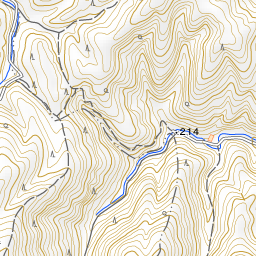
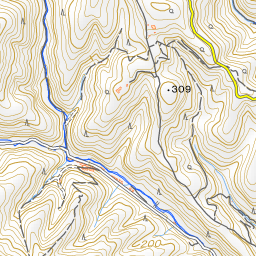
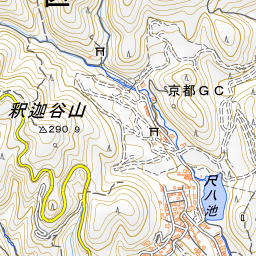
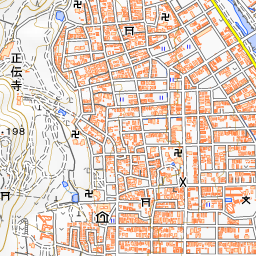
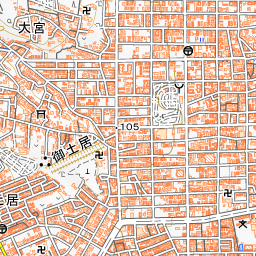

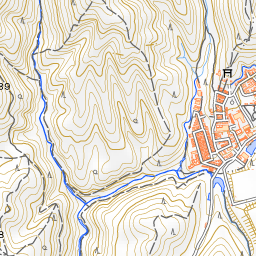
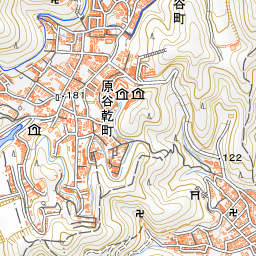
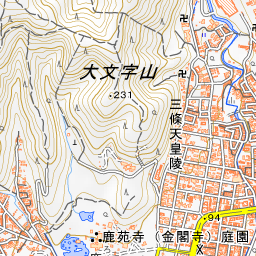
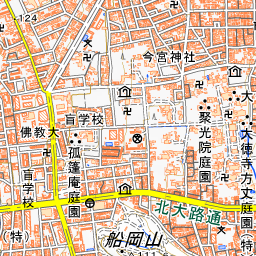
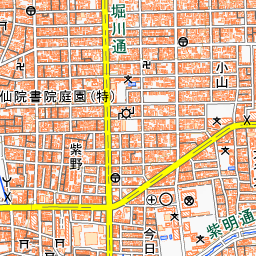
Spot location © OpenStreetMap contributors (ODbL)
Open in Google MapsGuides that include this spot (1)
Use asobot while you walk
- See where you are on the map and find spots nearby
- Listen to the guide's audio in course order, one after another (with subtitles)
- Walk to the next spot while following the map
Open on your phone
Scan to open this spot in asobot on your phone.