
Choan-ji Temple
Japanese: 長安寺
Fukuchiyama, Kyoto
This information was written by AI and may contain mistakes. Please check official sources for opening hours, fees, and other details before you go.
Found a mistake? Let us know with “✏️ Something's wrong” on this spot's screen in asobot →
🎧 Audio guide(1:09)
In short
A temple of the Nanzen-ji Temple branch of the Rinzai sect of Zen Buddhism, located at the foot of Mt. Himegami in Okunobe, Fukuchiyama City. It is widely known as "Tamba's Maple Temple" because of its magnificent autumn leaves. According to temple tradition, it began when one of the statues of Yakushi Nyorai that Prince Maroko, a younger half-brother of Prince Shotoku, carved on his way to subdue ogres was enshrined here.
- Hidden Buddha Yakushi Nyorai and Dragon-in-Clouds Carving: The standing statue of Yakushi Nyorai in the Yakushido hall, rebuilt in 1812 (Bunka 9), is a hidden Buddha unveiled once every 33 years. The brightly colored dragon in clouds on the ceiling is a carving by Masatada, the 5th generation of the Nakai Gonji lineage of woodcarvers
- Main Hall and Dry Landscape Garden: The main hall, rebuilt in 1784 (Tenmei 4), enshrines the principal image of Shaka Nyorai and a Jizo Bosatsu, the personal guardian deity (nenjibutsu) of castle lord Sugihara Ietsugu. The karesansui (dry landscape) garden by Shigemori Kanto, the "Garden of Yakushi Sanzon and the Forty-Nine Lanterns," also features a suikinkutsu (water harp cave)
- The Nursing Ginkgo: An approximately 600-year-old ginkgo, selected as one of the "200 Selections of Kyoto's Nature." The yellow of the ginkgo stands out against the red of the autumn leaves
History and Highlights
Choan-ji Temple is a temple of the Nanzen-ji Temple branch of the Rinzai sect of Zen Buddhism, located at the foot of Mt. Himegami in Okunobe, Fukuchiyama City. Its honorary mountain name is Iosan, and it is widely known as "Tamba's Maple Temple" because of its magnificent autumn leaves. Mt. Himegami behind it is also famous for the "Tamba Daimonji" bonfire.
According to temple tradition, Prince Maroko, a younger half-brother of Prince Shotoku, was on his way to Mt. Oe in Tamba Province by imperial order to subdue ogres dwelling there. Praying for victory, he carved seven statues of Yakushi Nyorai (the Medicine Buddha) and enshrined one here, which is said to be the origin of the temple. In ancient times, it was a temple of the Shingon sect with 25 sub-temples on its grounds, but it is handed down that all the temple halls were destroyed by fire during the Oei era of the Muromachi period. After that, it repeatedly suffered destruction by fire and wars, followed by reconstructions.
During the Sengoku period, Zen Master Ganko Eto took up residence here under the patronage of Sugihara Ietsugu, who became the lord of Fukuchiyama Castle after Akechi Mitsuhide. He rebuilt the halls and changed the mountain name to Iosan. The temple regards Sugihara Ietsugu as its founder (kaiki).
Sights and Experiences
- Hidden Buddha Yakushi Nyorai and Dragon-in-Clouds Carving: The Yakushido hall to the left after passing through the Sanmon gate was rebuilt in 1812 (Bunka 9). The standing statue of Yakushi Nyorai inside the zushi (miniature shrine) is a hidden Buddha that is unveiled only once every 33 years. The brightly colored dragon in clouds on the ceiling is not a painting, but a carving by Masatada, the 5th generation of the Nakai Gonji lineage of master woodcarvers who were active in Tamba and Tango.
- Main Hall and Dry Landscape Garden: The main hall, rebuilt in 1784 (Tenmei 4), enshrines the principal image of Shaka Nyorai and a Jizo Bosatsu, which was the personal guardian deity (nenjibutsu) of castle lord Sugihara Ietsugu. The karesansui (dry landscape) garden, named the "Garden of Yakushi Sanzon and the Forty-Nine Lanterns" designed by Shigemori Kanto, also features a suikinkutsu (water harp cave).
- The Nursing Ginkgo: The approximately 600-year-old "Nursing Ginkgo" is selected as one of the "200 Selections of Kyoto's Nature" as a sacred tree of Yakushi Nyorai. The yellow of the ginkgo contrasts beautifully against the red of the autumn leaves.
Visitor Tips
Choan-ji Temple is the 26th temple of the Saigoku Yakushi Pilgrimage and the 13th temple of the Tamba 15 Ancient Temples Pilgrimage, and the Hatsu-Yakushi Grand Festival is held every year on January 8. In late autumn, the bright red autumn leaves create a vivid contrast with the roofs of the temple halls. Choan-ji Park is also located nearby, allowing visitors to enjoy nature throughout the four seasons. It takes about 15 minutes by car from Fukuchiyama Station.


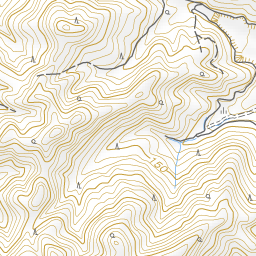
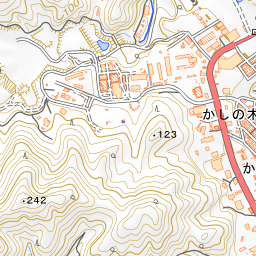
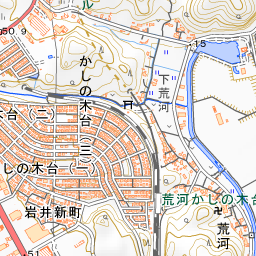
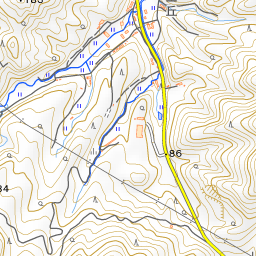
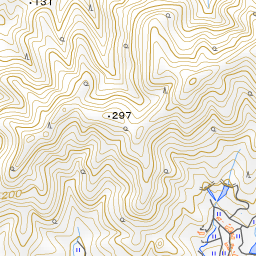
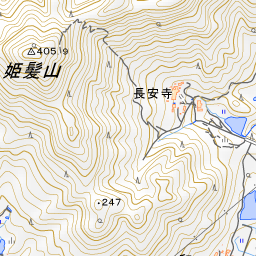


Spot location © OpenStreetMap contributors (ODbL)
Open in Google MapsUse asobot while you walk
- See where you are on the map and find spots nearby
- Listen to the guide's audio in course order, one after another (with subtitles)
- Walk to the next spot while following the map
Open on your phone
Scan to open this spot in asobot on your phone.