 ✨ AI Generated
Toshima Island
Japanese: 利島
Toshima Village, Tokyo
This information was written by AI and may contain mistakes. Please check official sources for opening hours, fees, and other details before you go.
Found a mistake? Let us know with “✏️ Something's wrong” on this spot's screen in asobot →
🎧 Audio guide(1:03)
In short
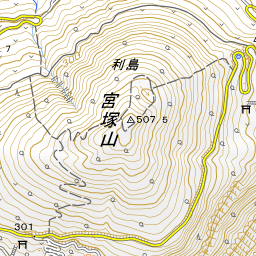
Toshima Island is a small volcanic island with a circumference of approximately 8 km, floating in the sea about 140 km south of Tokyo. It is a conical island crowned by the 508-meter-high Mount Miyatsuka, with wild camellias covering 80% of the island's area. Known for its terraced camellia groves and camellia oil, about 300 people live in a settlement on the north side of the island.
- Terraced Camellia Groves: About 200,000 camellia trees across the entire island create a landscape of terraced fields.
- Mount Miyatsuka Observation Deck: On clear days, you can look out toward Oshima Island, the Izu Peninsula, and even Mount Fuji.
- Waters for Swimming with Dolphins: Indo-Pacific bottlenose dolphins inhabit the waters around the island, allowing visitors to swim with them.
History and Highlights
Toshima Island was formed by the eruption of a submarine volcano. The coastline consists of continuous cliffs, and there are no sandy beaches. There is virtually no flat land, and the island's only settlement is situated on the relatively gentle slope on the northern side. Because of its easily recognizable conical shape when viewed from the sea, it has long been called "Mitsukeno-shima" (the landmark island). It is believed that people crossed over to the island about 6,000 years ago as a transit point to gather obsidian from Kozushima Island.
Camellias are what shaped this island's scenery and way of life. Having no spring water, rice cultivation was impossible on Toshima Island, so camellia oil was paid as an annual land tax during the Edo period. It is said that the cultivation of terraced camellia groves began in the middle of the Edo period. Making them stepped was an innovation to prevent camellia seeds from being washed away by rain and other elements. Today, it is said that there are about 200,000 camellia trees on the entire island, and its oil production is among the highest in the country.
The work of camellia farmers spans the entire year. They cut underbrush in the summer, and from autumn to the end of winter, they handpick the fully ripened, fallen seeds one by one.
On this island with a population of about 300, there are seven Shinto shrines and one Buddhist temple. Azusawake no Mikoto Shrine, the guardian shrine of the village affectionately known as "Myojin-sama," has a main hall said to have been built in 1760, making it the oldest building on Toshima Island.
Viewing and Experience Points
- Climbing Mount Miyatsuka: At 508 meters above sea level, this mountain is the symbol of the island. Although there is no view from the summit, an observation deck is located just below on the northern slope, offering views of Oshima Island, the Izu Peninsula, and even Mount Fuji on clear days.
- Swimming with Dolphins: Around 20 Indo-Pacific bottlenose dolphins have been identified around the island. Dolphin swimming is available from March to November, and rules must be observed, such as not touching the dolphins.
- Stargazing at Minamigayama Enchi: Located on the south side of the island, this spot offers views of Niijima Island and, in the distance, Miyakejima Island. On clear, moonless nights, the Milky Way can be seen with the naked eye.
Travel Tips
From Takeshiba Pier, it takes about 2 hours and 30 minutes by high-speed jetfoil, or about 9 hours by large overnight passenger ship. From Oshima Island, it takes 10 minutes by helicopter. There are no buses or taxis on the island; you must either walk or consult with your accommodation to get around. Walking around the island once takes about 2 to 2.5 hours. The village does not recommend day trips. Be sure to confirm the availability of accommodations in advance. Camping and sleeping outdoors are prohibited by local regulations. From mid-December to late March, seasonal winds are strong, and ship services can be canceled for 3 to 5 consecutive days. Since January and February, when camellia blossoms bloom throughout the island, are prone to frequent cancellations, consider reserving a helicopter flight and allowing plenty of time in your itinerary.

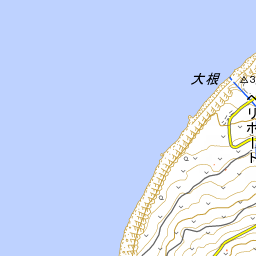
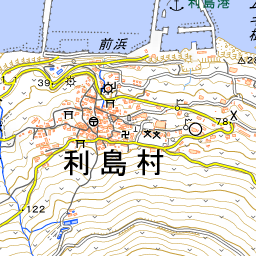





Spot location © OpenStreetMap contributors (ODbL)
Open in Google MapsUse asobot while you walk
- See where you are on the map and find spots nearby
- Listen to the guide's audio in course order, one after another (with subtitles)
- Walk to the next spot while following the map
Open on your phone
Scan to open this spot in asobot on your phone.