 ✨ AI Generated
Okunitama-jinja Shrine
Japanese: 大國魂神社
Fuchu, Tokyo
This information was written by AI and may contain mistakes. Please check official sources for opening hours, fees, and other details before you go.
Found a mistake? Let us know with “✏️ Something's wrong” on this spot's screen in asobot →
🎧 Audio guide(1:01)
In short
Okunitama-jinja Shrine is a shrine in Fuchu City that enshrines Okunitama no Okami as the guardian deity of Musashi Province. Its origin is said to date back to the year 111, the 41st year of the reign of Emperor Keiko. It has long been known as the Musashi Sosha (the general shrine uniting the deities of the province) and also by the name Rokusho-no-Miya.
- Vermilion Main Hall (Honden): Completed in 1667 (Kanbun 7). Built by joining three shrine pavilions side by side, it is a Tokyo Tangible Cultural Property.
- Zuijinmon Gate: A Japanese cypress gate measuring 8.5 meters in height and 25 meters in width. It was rebuilt in 2011 (Heisei 23).
- Kurayami Matsuri (Darkness Festival): A festival held from April 30 to May 6. During the annual grand festival on May 5, eight mikoshi (portable shrines) proceed toward the otabisho (temporary resting station).
History and Highlights
Okunitama-jinja Shrine is a shrine that enshrines Okunitama no Okami as the guardian deity of Musashi Province. This deity is considered to be the same as Okuninushi no Kami of Izumo. Its origin is said to be May 5 in the year 111, the 41st year of the reign of the 12th emperor, Emperor Keiko.
Following the Taika Reforms, the provincial capital (kokufu) of Musashi Province was established in this area. For the convenience of making rounds to the shrines within the province, the provincial governor (kokushi) gathered and enshrined the province's deities here together. This is the origin of the Musashi Sosha. Later, six prominent deities of the province were enshrined on both sides of the main hall, leading it to also be called Rokusho-no-Miya.
Minamoto no Yoritomo constructed the shrine buildings in 1186 (Bunji 2), and Tokugawa Ieyasu donated shrine territory yielding 500 koku of rice after entering Edo. The current main hall was built by order of the fourth shogun, Tokugawa Ietsuna, after the shrine pavilions were lost in a fire in 1646 (Shoho 3), and was completed in 1667 (Kanbun 7).
The annual grand festival on May 5 is known as the Kurayami Matsuri. The festival continues from April 30 to May 6. The name comes from the tradition of eight portable shrines heading to the otabisho through the dark with the lights extinguished; in 1961 (Showa 36), the procession of the portable shrines was moved to the early evening. It is a Tokyo-designated Intangible Folk Cultural Property.
Viewing and Experience Highlights
- Zuijinmon Gate: A gate made of domestic Japanese cypress, measuring 8.5 meters in height and 25 meters in width. Rebuilt in 2011, it houses Zuijin guardian statues in its front. It was designed by first deciding on the opening width and height to facilitate the entrance and exit of portable shrines and large taiko drums during the Kurayami Matsuri.
- North-Facing Main Hall: Built in the aidono-zukuri style, where three vermilion-lacquered shrine buildings are connected side by side, it is a Tokyo Tangible Cultural Property. Originally facing south, the shrine was altered to face north by Minamoto no Yoriyoshi in 1051 (Eisho 6).
- Great Ginkgo Tree: A large ginkgo tree behind the main hall with a trunk circumference exceeding 9 meters. Its age is said to be around 1,000 years, and it is a Fuchu City Natural Monument.
Travel Tips
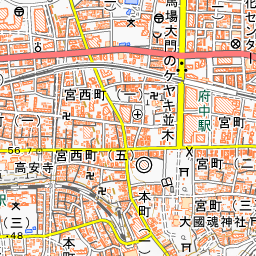
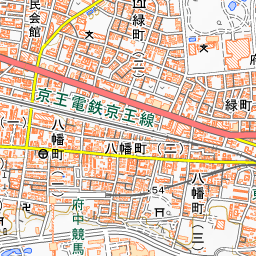
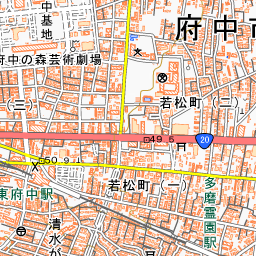
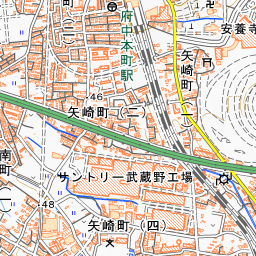
It is a 5-minute walk from either Fuchu Station on the Keio Line or Fuchuhonmachi Station on the JR Musashino and Nambu Lines. From Fuchu Station, walking south along the Baba Daimon Zelkova Avenue, a National Natural Monument, will bring you to the grand torii gate (Otorii). The tree-lined avenue continues north for about 600 meters from the grand torii gate.
The precinct grounds and their eastern side comprise the Musashi Kokufu Site, a National Historic Site. Be sure to take a stroll to the east after paying your respects. The wooden komainu (guardian lion-dogs) in the treasure hall are a National Important Cultural Property.
It is said that there is not a single pine tree (matsu) on the grounds, and that even if planted, they will quickly wither. A tale has been passed down that this is because Daikoku-sama was stood up and said, "Matsu no wa iyada" (a pun meaning both "I hate waiting" and "I hate pine trees").
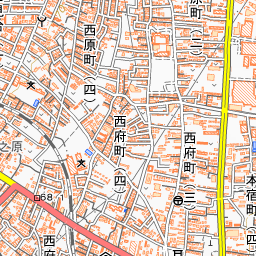
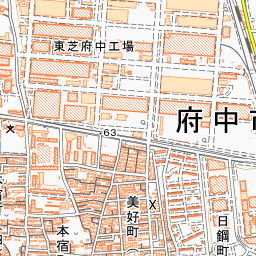
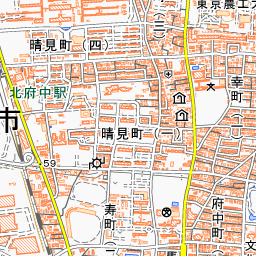
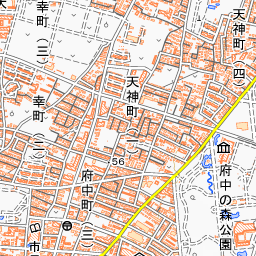

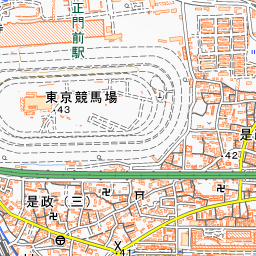
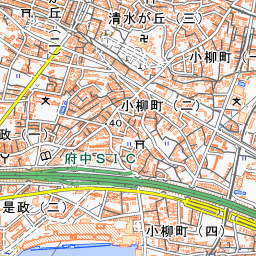
Spot location © OpenStreetMap contributors (ODbL)
Open in Google MapsGuides that include this spot (1)
Use asobot while you walk
- See where you are on the map and find spots nearby
- Listen to the guide's audio in course order, one after another (with subtitles)
- Walk to the next spot while following the map
Open on your phone
Scan to open this spot in asobot on your phone.