 ✨ AI Generated
Kyoto Gyoen National Garden
Japanese: 京都御苑
Kamigyo Ward, Kyoto
This information was written by AI and may contain mistakes. Please check official sources for opening hours, fees, and other details before you go.
Found a mistake? Let us know with “✏️ Something's wrong” on this spot's screen in asobot →
🎧 Audio guide(1:10)
In short
Kyoto Gyoen National Garden is a park of about 65 hectares surrounding the Kyoto Imperial Palace and Kyoto Sento Imperial Palace. The site of a court noble quarter (kuge-machi) during the Edo period, it was developed after Kyoto Prefecture was ordered to preserve the imperial palace in 1877 (Meiji 10), and it has been widely open to the public as a national garden (kokumin koen) since 1949 (Showa 24). It can be entered freely at any time.
- Remains Conveying the Life of Court Nobles: There is the Site of the Kan'innomiya Residence, where the residence of the Kan'innomiya family, one of the four imperial branch families, once stood, and Shusui-tei Teahouse, regarded as the only surviving building of the Kujo family
- Hamaguri-gomon Gate: Known as the stage of the Kinmon Incident at the end of the Edo period, the gate still shows bullet marks left from that conflict on its weathered beams
- The Four Seasons of Flowers and Trees: Trees said to number about 100,000 grow within the garden, and in mid-February, the plum grove with approximately 120 plum trees reaches its peak. In autumn, the foliage is at its best from late November to mid-December
History and Highlights
Kyoto Gyoen National Garden is a park of about 65 hectares surrounding the Kyoto Imperial Palace and Kyoto Sento Imperial Palace. Spanning approximately 700 meters from east to west and 1,300 meters from north to south, this spacious site can be entered freely at any time, serving as a precious green space in the center of Kyoto.
During the Edo period, a court noble quarter (kuge-machi) lined with more than 140 residences of imperial family branches and court nobles stood around the imperial palace. When Emperor Meiji relocated to Tokyo in 1869, many court nobles also moved to Tokyo, leading to the rapid decay of the court noble quarter. Visiting Kyoto in 1877, Emperor Meiji lamented its condition and ordered Kyoto Prefecture to preserve the imperial palace and maintain its former appearance. Following projects such as the removal of residences and tree planting, the foundation of the current garden was established. After World War II, it became a national garden (kokumin koen) and has been widely open to the public since 1949.
Viewing and Experience Highlights
- Remains Conveying the Life of Court Nobles: The Site of the Kan'innomiya Residence is where the residence of the Kan'innomiya family, one of the four imperial branch families during the Edo period, once stood. Shusui-tei Teahouse, built by the Kujo Pond, is regarded as the only surviving building of the Kujo family—one of the five regent houses (go-sekke)—and was used as a detached tea arbor for tea gatherings in the late Edo period.
- Hamaguri-gomon Gate: Hamaguri-gomon Gate is known as the stage of the Kinmon Incident at the end of the Edo period. Even today, bullet marks left from that conflict can be seen on its weathered beams.
- The Four Seasons of Flowers and Trees: An estimated 100,000 trees grow within the garden. In mid-February, the plum grove with approximately 120 plum trees reaches its peak. Spring brings the cherry blossom season starting with the weeping cherry trees at the Site of the Konoe Residence, and in autumn, the foliage is at its best from late November to mid-December.
Walking Tips
Kyoto Gyoen National Garden can be entered through nine gates and six openings (kiritoshi) surrounding the grounds. The Site of the Kan'innomiya Residence and Shusui-tei Teahouse in the southwest are about a five-minute walk from Marutamachi Station on the Karasuma Subway Line, and the visitor reception for the Kyoto Imperial Palace on the north side is about a five-minute walk from Imadegawa Station. Visiting the Kyoto Imperial Palace to see its buildings and gardens, along with Goo-jinja Shrine across the street to the west of the garden, will bring the history surrounding the imperial palace even closer to you.


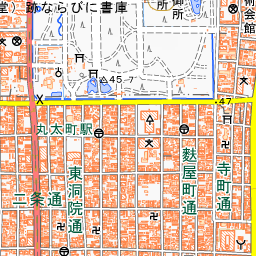


Spot location © OpenStreetMap contributors (ODbL)
Open in Google MapsGuides that include this spot (1)
Use asobot while you walk
- See where you are on the map and find spots nearby
- Listen to the guide's audio in course order, one after another (with subtitles)
- Walk to the next spot while following the map
Open on your phone
Scan to open this spot in asobot on your phone.