 ✨ AI Generated
Mt. Wakakusa
Japanese: 若草山
Nara City, Nara
This information was written by AI and may contain mistakes. Please check official sources for opening hours, fees, and other details before you go.
Found a mistake? Let us know with “✏️ Something's wrong” on this spot's screen in asobot →
🎧 Audio guide(0:59)
In short
Mt. Wakakusa is a 342-meter-high, grass-covered mountain that is often the first sight to greet visitors upon arriving at Nara Park. Because it appears like three overlapping conical hats, it is also known as "Mt. Mikasa." From the summit, you can enjoy a sweeping panoramic view of the town of Nara, including Kofuku-ji Temple and Todai-ji Temple.
- A Grass-Covered Mountain with Three Tiers: As you ascend through the first tier, the second tier, and the third tier at the summit, the view shifts. The scenery opens up even after climbing just a short way.
- Uguisuzuka Kofun on the Summit: A keyhole-shaped tumulus with an overall length of 103 meters, said to have been built around the 5th century. It is also believed to possibly be the "Uguisu no Misasagi" mentioned in The Pillow Book (Makura no Soshi).
- Yamayaki (Mountain Burning) and Night Views: During the Wakakusa Yamayaki held every January, the mountain slopes are enveloped in flames. The night view from the summit has been selected as one of the "New Three Major Night Views of Japan."
History & Highlights
Mt. Wakakusa is a grass-covered, three-tiered mountain that catches the eye upon arriving at Nara Park. It has an elevation of 342 meters and an area of 33 hectares. Because the three gentle, rounded hills appear to overlap, it is also called "Mt. Mikasa."
At the summit lies the Uguisuzuka Kofun, which is said to have been constructed around the 5th century. It is a keyhole-shaped tumulus with a total length of 103 meters, ranking among the largest burial mounds in Japan situated on a mountain summit above an elevation of 300 meters. It is also said that this may be the "Uguisu no Misasagi" mentioned in The Pillow Book, and a stone monument inscribed with the characters for "Uguisu no Misasagi" stands on its circular rear mound.
On the fourth Saturday of every January, the Wakakusa Yamayaki is held. Known as an event heralding early spring to the ancient capital of Nara, the sight of the mountainside enveloped in flames is spectacular.
Around 1964, development in the Mt. Wakakusa area became an issue, leading to an opposition movement by a broad range of people. Alongside similar movements in Kamakura and Kyoto, this effort became a catalyst for the enactment of the Ancient Capitals Preservation Act, which protects the historical environment of ancient capitals.
Viewing & Experience Highlights
- Views from the Three Peaks: You can enjoy different scenery as you climb through the first tier, the second tier, and the third tier at the summit. The view opens up from the peak of the first tier, offering an expansive sight after only climbing a little way. From the summit, the vista of Nara Park—including the Great Buddha Hall (Daibutsuden)—spreads out below, giving an unobstructed view across the town of Nara, including Kofuku-ji Temple and Todai-ji Temple. On clear days, the distant Yamato Sanzan Mountains and Mt. Ikoma may also be visible.
- Uguisuzuka Kofun: Once you reach the summit, be sure to stop by Uguisuzuka Kofun. Try looking for the stone monument inscribed with "Uguisu no Misasagi" standing on the circular rear mound.
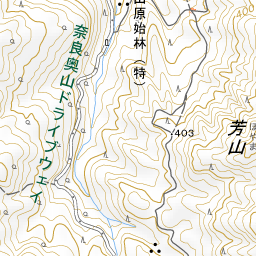
- Sunsets and Night Views: In April 2003, the night view seen from the summit was selected by a private night-view enthusiast organization as one of the "New Three Major Night Views of Japan." The sunset also presents a beautiful sight. By car, you can drive to the summit via the Nara Okuyama Driveway, which links Mt. Wakakusa, Mt. Kasuga, and Mt. Takamado.
Tips for Strolling
When climbing on foot, enter through either the North Gate or the South Gate at the base. As the two gates are about 300 meters apart, be careful not to confuse them when meeting someone. The walk to the summit takes about 30 to 40 minutes. The grassy slopes are steeper than they appear, so please be particularly careful with your footing when descending.
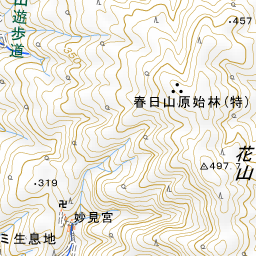
The mountain is open for climbing from the third Saturday of March until the second Sunday of December, and cannot be climbed in winter. Approximately 950 meters west of Mt. Wakakusa are Nigatsu-do Hall and Tamukeyama Hachimangu Shrine. To the southeast of the mountain lies the Kasugayama Primeval Forest. For information about Nara's deer and the broader park area, please refer to the description of Nara Park.

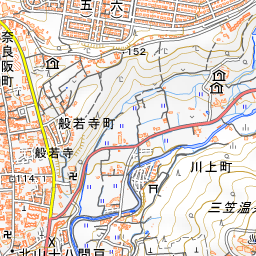
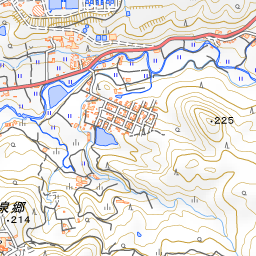
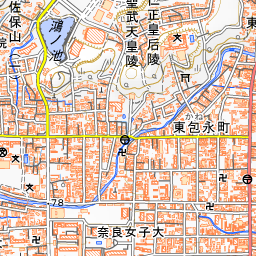
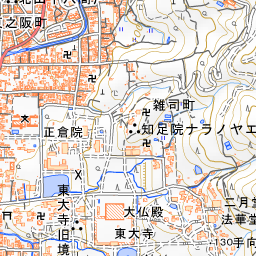
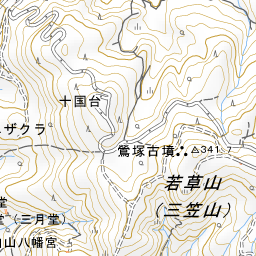
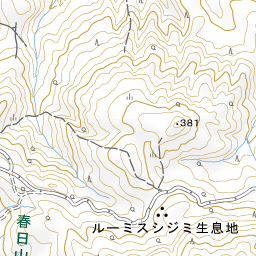
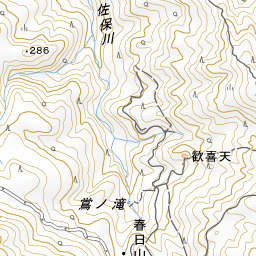
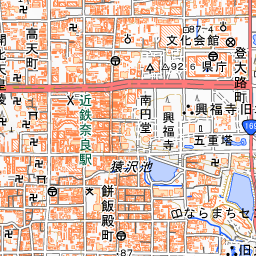
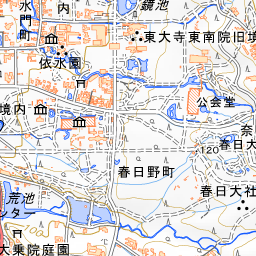
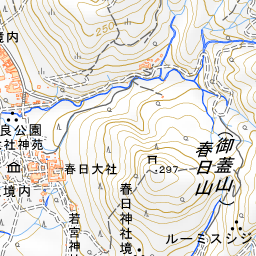
Spot location © OpenStreetMap contributors (ODbL)
Open in Google MapsGuides that include this spot (2)
Use asobot while you walk
- See where you are on the map and find spots nearby
- Listen to the guide's audio in course order, one after another (with subtitles)
- Walk to the next spot while following the map
Open on your phone
Scan to open this spot in asobot on your phone.