 ✨ AI Generated
Kaju-ji Temple
Japanese: 勧修寺
Yamashina Ward, Kyoto
This information was written by AI and may contain mistakes. Please check official sources for opening hours, fees, and other details before you go.
Found a mistake? Let us know with “✏️ Something's wrong” on this spot's screen in asobot →
🎧 Audio guide(1:12)
In short
Kaju-ji Temple is the head temple of the Yamashina School of Shingon Buddhism. Its history began in 900, when Emperor Daigo converted the estate of Miyaji Yamasu, the maternal grandfather of his mother, Fujiwara no Tsugiko, into a temple to pray for her repose. For generations, cloistered imperial princes resided here, and it came to be known as "Kaju-ji Miya Monzeki."
- Himuro Pond: A pond at the center of the garden with three islands of various sizes. It is said that in the Heian period, ice formed on this pond was presented to the Imperial Court every year on January 2, and its thickness was used to divine the abundance of the five grains. The garden is a Place of Scenic Beauty designated by Kyoto City
- Shoin and Kaju-ji-style Stone Lantern: In the front garden of the Shoin, an Important Cultural Property, stands the Kaju-ji-style Stone Lantern donated by Tokugawa Mitsukuni, with a creeping juniper (haibyakushin), said to be over 750 years old, spreading its branches over it. As the interior of the building is not open to the public, it is viewed from the garden
- Waterside flowers: In spring, cherry blossoms and wisteria, and in early summer, Japanese irises, rabbit-ear irises, and water lilies adorn the pond, and lotus blossoms bloom after the hydrangea season ends. In autumn, fall foliage colors the surroundings of the pond
History and Highlights
Kaju-ji Temple is the head temple of the Yamashina School of Shingon Buddhism. Its history began in 900 (Shotai 3), when Emperor Daigo converted the estate of Miyaji Yamasu, the maternal grandfather of his mother, Fujiwara no Tsugiko, into a temple to pray for her repose. The temple's name was taken from the posthumous name of the Emperor's grandfather, Fujiwara no Takafuji.
In the Konjaku Monogatarishu (Tales of Times Now Past), a tale remains that a young Takafuji, caught in a thunderstorm during a falconry trip, took shelter at Yamasu's residence and became united with his daughter, Tamako. Their daughter, Tsugiko, later became the mother of Emperor Daigo. The story concludes by noting that it was Yamasu's home, converted into a temple, that is today's Kaju-ji Temple.
Although the temple buildings were lost to the flames of the Onin War in 1470 (Bunmei 2), Cloistered Imperial Prince Saishin, a son of Emperor Reigen, entered the temple in 1682 (Tenna 2). The temple regained its former appearance by receiving former palace buildings of Empress Meisho and Emperor Reigen from the Imperial Court. The current main buildings date from this time. For generations, cloistered imperial princes resided here, and it came to be known as "Kaju-ji Miya Monzeki."
Sights and Experiences
- Himuro Pond: Located at the center of the garden, this pond contains three islands of various sizes. It is said that during the Heian period, ice formed on this pond was presented to the Imperial Court every year on January 2, and its thickness was used to divine the abundance of that year's five grains. The garden is known as "Kaju-ji Hyochi-en Garden" and has been designated a Place of Scenic Beauty by Kyoto City.
- Shoin and Kaju-ji-style Stone Lantern: In the front garden of the Shoin (drawing room), which is an Important Cultural Property, stands a Kaju-ji-style Stone Lantern donated by Tokugawa Mitsukuni. Spreading its branches over this lantern is a creeping juniper (haibyakushin) said to be over 750 years old. As the interior of the building is not open to the public, it is viewed from the garden.
- Waterside Flowers: In spring, cherry blossoms and wisteria grace the area, while in early summer, Japanese irises, rabbit-ear irises, and water lilies adorn the pond, followed by lotus blossoms blooming after the hydrangea season ends. Water lilies are said to open only in the morning, and in autumn, fall foliage colors the surroundings of the pond.
Walking Tips
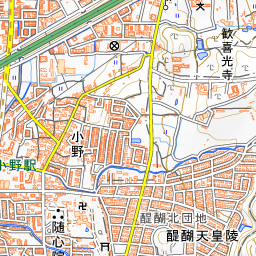
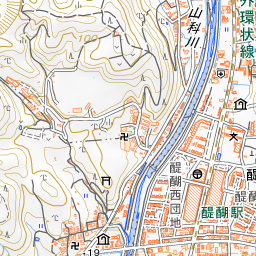
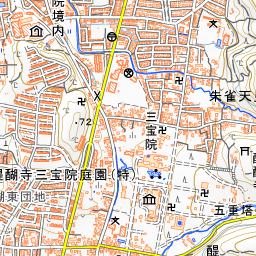
It is about a 6-minute walk west from Ono Station on the Subway Tozai Line. In front of the gate, imposing mud walls (tsuijibei) extend to the sanmon gate, and it is said to have the air of an imperial palace rather than a temple. Located about 800 meters to the east-southeast is Zuishin-in Temple, which is associated with Ono no Komachi, allowing visitors to visit both together.
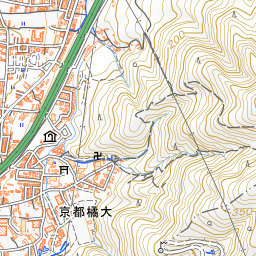
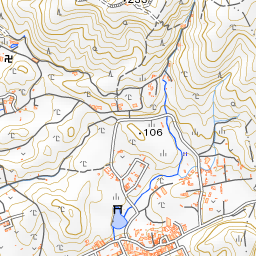
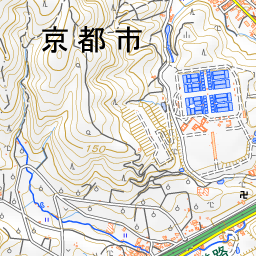
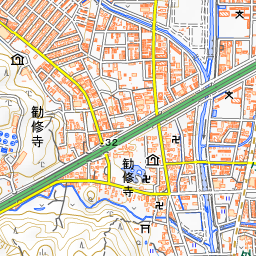
Spot location © OpenStreetMap contributors (ODbL)
Open in Google MapsGuides that include this spot (1)
Use asobot while you walk
- See where you are on the map and find spots nearby
- Listen to the guide's audio in course order, one after another (with subtitles)
- Walk to the next spot while following the map
Open on your phone
Scan to open this spot in asobot on your phone.