 ✨ AI Generated
Sanjusangendo Temple
Japanese: 三十三間堂
Higashiyama Ward, Kyoto
This information was written by AI and may contain mistakes. Please check official sources for opening hours, fees, and other details before you go.
Found a mistake? Let us know with “✏️ Something's wrong” on this spot's screen in asobot →
🎧 Audio guide(1:09)
In short
Officially named Rengeo-in Temple, Sanjusangendo Temple is an ancient temple of the Tendai sect. It was founded in 1164 (Chokan 2) at the wish of Retired Emperor Goshirakawa, and after a fire, the current hall was rebuilt in 1266 (Bun'ei 3) during the Kamakura period. It is called "Sanjusangendo" because there are 33 spaces between the pillars of the inner sanctuary.
- Principal Image and the 1,000 Standing Statues of Kannon: To the left and right of the seated statue of the Thousand-Armed Kannon completed by Tankei and others, 1,000 life-sized standing statues of the Thousand-Armed Kannon stand in rows, and all 1,000 are National Treasures
- Statues of the Wind and Thunder Gods and the Twenty-Eight Attendants: The statues of the Twenty-Eight Attendants, masterpieces of Kamakura sculpture, and the statues of the Wind God and Thunder God are all National Treasures
- Toshiya and the Omato Tournament: In connection with the Edo-period Toshiya, an archery tournament is still held every year on the Sunday closest to January 15, where newly turned adults compete in their finest attire
History and Highlights
Sanjusangendo Temple, officially named Rengeo-in Temple, is an ancient temple of the Tendai sect. It was founded in 1164 by Retired Emperor Goshirakawa, who governed through cloistered rule in the late Heian period, within his own cloistered palace, Hojujidono, with the financial assistance of Taira no Kiyomori. The hall burned down in 1249 due to a fire that spread from the city, and the current hall was rebuilt in 1266 during the Kamakura period.
The main hall is a long, large structure measuring 120 meters from north to south, 22 meters in depth, and 16 meters in height, and is designated as a National Treasure. It is called "Sanjusangendo" (hall with thirty-three bays) because there are 33 spaces between the pillars of the inner sanctuary. Earthquake-resistant techniques are incorporated—such as a rammed-earth (hanchiku) foundation made of alternating layers of sand and clay designed to absorb seismic tremors—allowing it to sway like a raft floating on waves.
Viewing and Experience Highlights
- Principal Image and the 1,000 Standing Statues of Kannon: In the center of the hall rests a seated statue of the Thousand-Armed Kannon, measuring 355 centimeters in height, which was completed during the Kamakura-period reconstruction by the master Buddhist sculptor Tankei leading disciples from his workshop. To its left and right, 1,000 life-sized standing statues of the Thousand-Armed Kannon stand in orderly rows across tiered platforms arranged 10 rows deep. A total of 124 statues date back to the Heian period at the time of founding, while the rest were recreated over a period of 16 years during the Kamakura period. In 2018, all 1,000 statues were designated as National Treasures.
- Statues of the Wind and Thunder Gods and the Twenty-Eight Attendants: The statues of the Twenty-Eight Attendants, which are said to accompany the Thousand-Armed Kannon and protect Buddhism and its believers, are painted works made of Japanese cypress using the assembled-wood (yosegi-zukuri) technique with crystal eyes, serving as masterpieces of Kamakura sculpture. Along with the statues of the Wind God and Thunder God—which are said to have defined the imagery of wind and thunder gods in later eras—all of them are National Treasures.
- Toshiya and the Omato Tournament: During the Edo period, an archery contest called "Toshiya" was held, where participants shot arrows across a distance of 120 meters from the southern end of the hall's western veranda, becoming a famous Kyoto event. Even today, on the same day as the Willow Rite (Yanagi no Okaji) held annually on the Sunday closest to January 15, an archery tournament called the Omato Tournament associated with Toshiya takes place, where one can see newly turned adults competing in their finest traditional attire.
Tips for Exploring
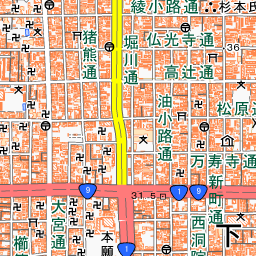
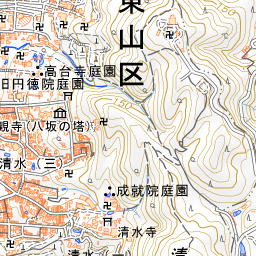
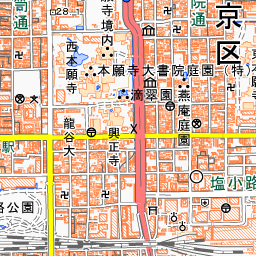
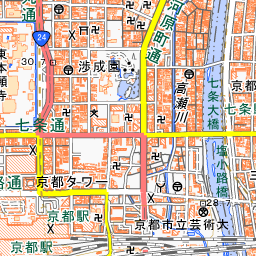
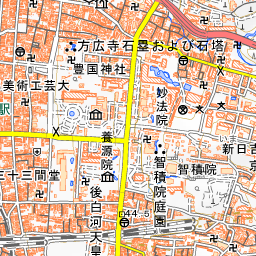
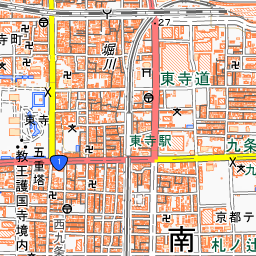
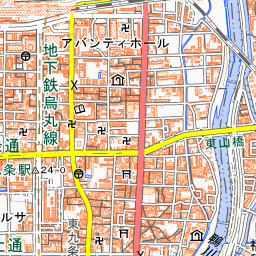
The temple is about a 7-minute walk from Shichijo Station on the Keihan Railway, and just a short walk from the "Hakubutsukan Sanjusangendo-mae" city bus stop. Shoes are prohibited inside the main hall, and shoe racks are provided at the entrance. At the southern end of the grounds remain the South Gate and the Taiko Wall, both linked to the Great Buddha Hall of Hoko-ji Temple constructed by Toyotomi Hideyoshi, and both are Important Cultural Properties. Visitors can also stroll through a stroll-style pond garden.


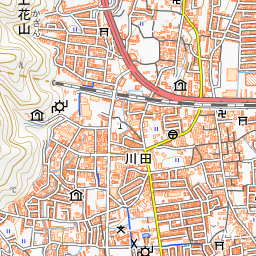
Spot location © OpenStreetMap contributors (ODbL)
Open in Google MapsGuides that include this spot (1)
Use asobot while you walk
- See where you are on the map and find spots nearby
- Listen to the guide's audio in course order, one after another (with subtitles)
- Walk to the next spot while following the map
Open on your phone
Scan to open this spot in asobot on your phone.