 ✨ AI Generated
Todai-ji Temple
Japanese: 東大寺
Nara City, Nara
This information was written by AI and may contain mistakes. Please check official sources for opening hours, fees, and other details before you go.
Found a mistake? Let us know with “✏️ Something's wrong” on this spot's screen in asobot →
🎧 Audio guide(1:03)
In short
Todai-ji Temple is a representative temple founded in the Nara period, renowned for the "Great Buddha of Nara." It is known for the Great Buddha, which was created at the wish of Emperor Shomu, and the Daibutsuden (Great Buddha Hall), one of the world's largest wooden structures. It is registered as a World Heritage site as one of the "Historic Monuments of Ancient Nara."
- The Daibutsuden and the Great Buddha: The Daibutsuden suffered two fires caused by warfare, and the current building is a reconstruction from the Edo period. The height of the Great Buddha statue is 14.98 meters.
- Kongo Rikishi Statues at Nandaimon Gate: These two statues, standing just under 8.4 meters tall, were created in just 69 days by Buddhist sculptors including Unkei and Kaikei.
- Octagonal Lantern from the Nara Period: A lantern dating back to the temple's founding, featuring reliefs of the Onjo Bodhisattva holding musical instruments.
History and Highlights
Todai-ji Temple is a representative temple founded in the Nara period, known for the "Great Buddha of Nara." Today, it serves as the grand head temple of the Kegon sect. Its beginnings trace back to Kinshosan-ji Temple, which was built in 728, the fifth year of the Jinki era, to pray for the repose of Emperor Shomu's crown prince.
In 743, the 15th year of the Tenpyo era, Emperor Shomu issued an imperial edict to cast the Great Buddha, wishing for all living beings to prosper together. The casting and construction began in 745, the 17th year of Tenpyo, at the temple's present location, and in 752, the fourth year of the Tenpyo-shoho era, a grand eye-opening ceremony was held. The Indian monk Bodhisena served as the presiding master of the eye-opening ceremony.
The Daibutsuden was burned down twice in armed conflicts: by Taira no Shigehira's forces in 1180, the fourth year of the Jisho era, and in the conflict involving Miyoshi and Matsunaga in 1567, the 10th year of the Eiroku era. The temple was revived by the priest Chogen in the Kamakura period, and later by priests including Kokei in the Edo period. The current Daibutsuden is the building for which the consecration ceremony was held in 1709, the sixth year of the Hoei era. Although its east-west width was reduced to about 60 percent, its height and depth remain as they were at the time of its founding, making it one of the world's largest wooden structures. Todai-ji Temple was inscribed as a World Heritage site in 1998, the 10th year of the Heisei era, as one of the "Historic Monuments of Ancient Nara."
Viewing and Experience Points
- The Great Buddha: Officially called the Rushana Buddha, meaning the Buddha whose light of wisdom and compassion shines universally. The height of the statue is 14.98 meters. The current face and head were remade in the Edo period. During the Nara period, 966 curl-shaped rahotsu (tight coils of hair) were made on the head. It is estimated that 492 curls were attached to the current head, including those that have fallen off.
- Octagonal Lantern: A National Treasure lantern preserved since the founding of Todai-ji Temple, having survived two fires from warfare. On four sides of the light chamber, Onjo Bodhisattvas holding musical instruments are carved in relief.
- Kongo Rikishi Statues at Nandaimon Gate: Two statues affectionately known as "Todai-ji's Nio-san." They were sculpted in 1203, the third year of the Kennin era, by Buddhist sculptors including Unkei and Kaikei in just 69 days. Both statues measure just under 8.4 meters in height.
Tips for Walking Around
Nandaimon Gate, the main gate of Todai-ji Temple, was rebuilt in the Kamakura period by the priest Chogen. The height of the gate is 25.46 meters from the top of the stone foundation. It is a building that recalls the grandeur of the Kamakura-period Daibutsuden, which no longer stands today, so be sure to look up before passing under it. After visiting the Daibutsuden, you can walk about 430 meters east to Nigatsu-do Hall. Nigatsu-do Hall is known as the stage for the Omizutori ceremony. If you proceed about 410 meters north from the Daibutsuden, you will find Shosoin, which houses treasures associated with Emperor Shomu.

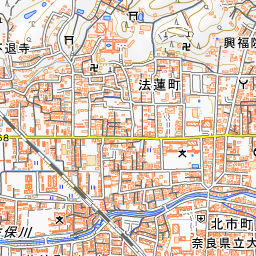
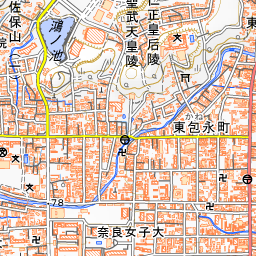
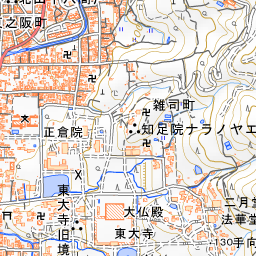
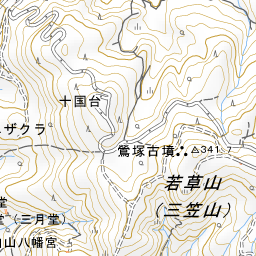
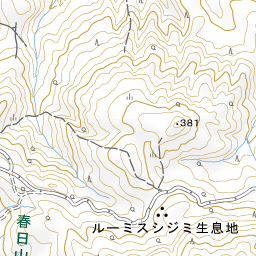

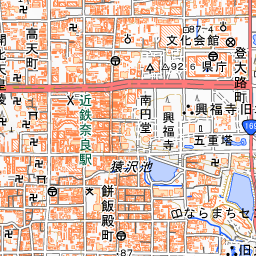
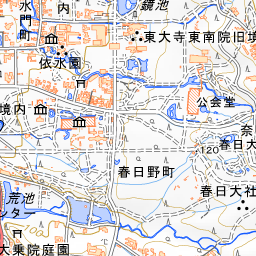
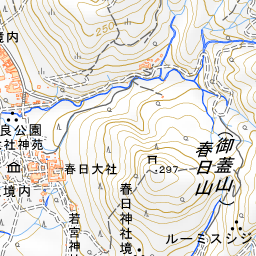
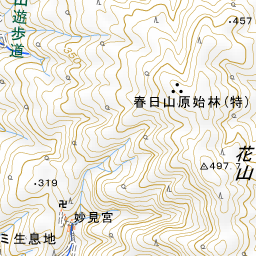
Spot location © OpenStreetMap contributors (ODbL)
Open in Google MapsGuides that include this spot (2)
Use asobot while you walk
- See where you are on the map and find spots nearby
- Listen to the guide's audio in course order, one after another (with subtitles)
- Walk to the next spot while following the map
Open on your phone
Scan to open this spot in asobot on your phone.